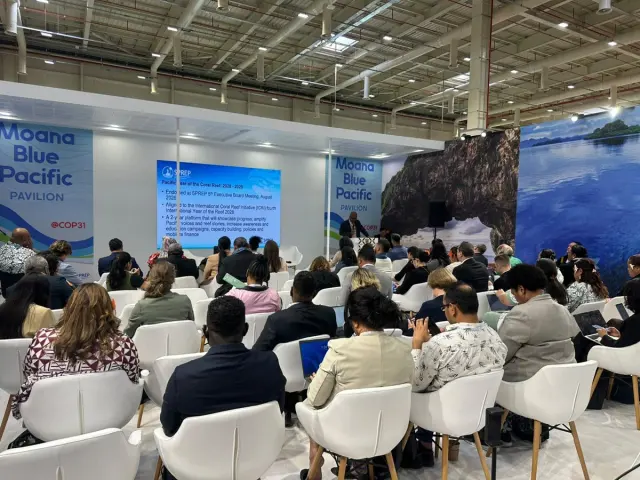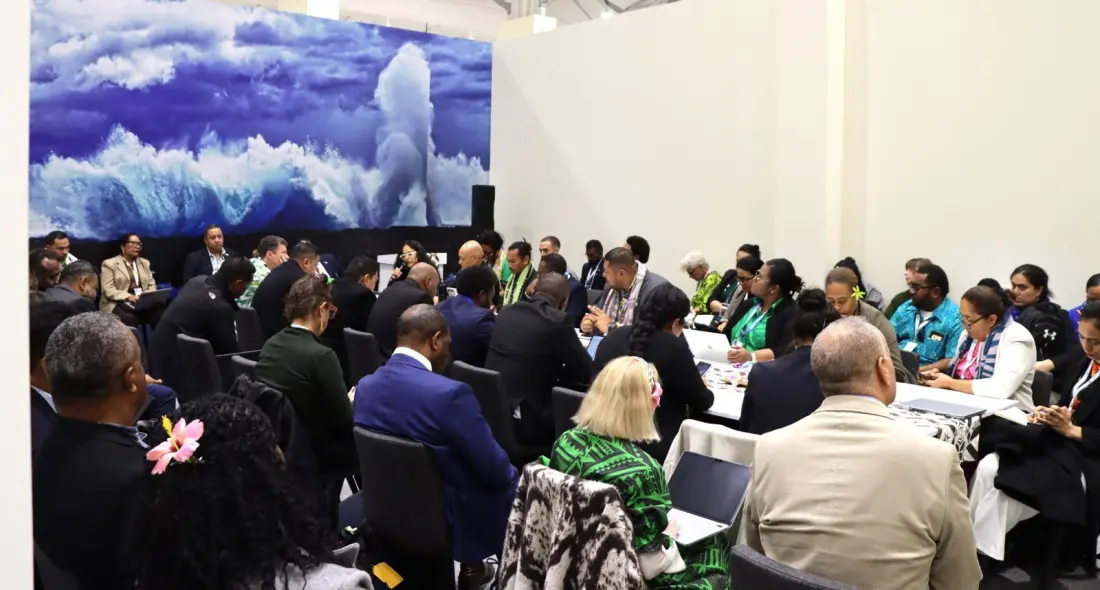
While most travellers think of the Pacific in terms of lagoons and coral reefs, the region's representatives at COP31 in Türkiye are fighting for something more basic: the islands' continued existence. Pacific civil society groups arrived at the talks with a unified position shaped weeks earlier at a Pre-COP gathering in Fiji, and with the summit heading towards its close, they're openly worried those priorities are slipping.
Their red lines are straightforward: keep the Paris Agreement's 1.5°C goal within reach, secure real climate finance for vulnerable countries, and make sure any shift to renewable energy doesn't become cover for new fossil fuel investment. What has advocates alarmed is talk of quietly accepting that temperatures will overshoot 1.5°C, with some parties reportedly pushing ambition towards 2°C and even contesting the role of the IPCC as the authoritative source of climate science.
The stakes are not abstract. Fiji declared a state of national disaster this year because of drought linked to El Niño — a reminder that Pacific communities are already living with water insecurity, flooding and stronger storms. Greenpeace Australia Pacific's Shiva Gounder puts it bluntly: if 1.5°C has already caused this much damage, 2°C is hard to imagine. For Pacific advocates, 1.5°C isn't a bargaining chip — it's, in his words, a survival threshold.
Money is the second flashpoint. Advocates argue the real question isn't how much climate finance is pledged but whether it actually reaches communities on the ground. They want the biggest emitters to foot the bill, with funding that's genuinely accessible — not tied up in processes small island administrations can't navigate.
There's also scrutiny of the unusual COP31 leadership arrangement between Australia and Türkiye. Australia's co-hosting role raised hopes of a stronger Pacific voice, but 350.org's Fenton Lutunatabua says leadership should be judged on outcomes, especially on fossil fuels. Gounder goes further: the Pacific doesn't need anyone to speak for it — its own voices, from governments to grassroots, are already strong.
Behind the negotiations is a human reality worth understanding. Many Pacific delegations field just one or two negotiators covering multiple issues simultaneously — long days, little rest, enormous pressure — while larger countries arrive with teams of specialists. Regional coordination, advocates say, is what keeps them in the game.
For travellers, this matters more than it might seem. The Pacific's beaches, dive sites and island cultures are on the front line of climate change, and the outcomes of these talks shape whether low-lying nations like Fiji, Tuvalu and Kiribati remain viable destinations — and viable homes — for the next generation. The advocates' message to governments is that hope and resilience wear thin without political will. Expect them to keep pressing until the final gavel.
Islands Business