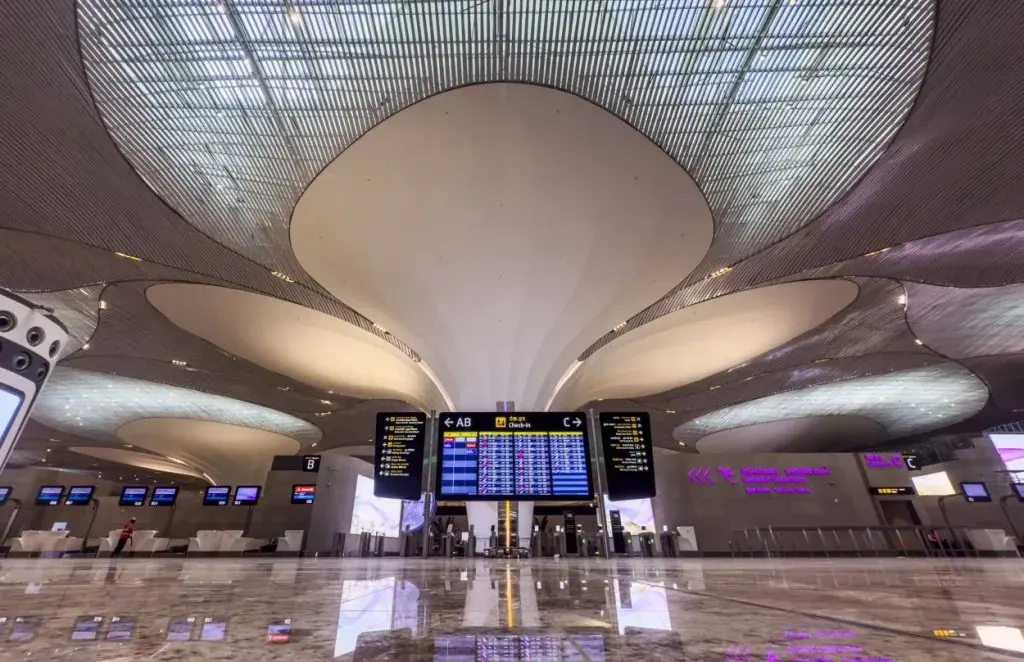
Mumbai is getting a second major airport, and two of India's biggest airline groups have now agreed on how they'll use it. IndiGo and the Air India Group have announced a phased transfer of selected international flights from Mumbai's Chhatrapati Shivaji Maharaj International Airport (CSMIA) to the new Navi Mumbai International Airport (NMIA), with the transition running through the summer 2027 schedule.
The deal follows a standoff between the airlines and Adani Airport Holdings, which operates CSMIA and wanted to shift international flights out of the airport's Terminal 2. Airlines pushed back against an immediate change in the winter schedule, and the government stepped in. The compromise: gradual relocation over roughly a year and a half rather than a sudden swap.
IndiGo is making the largest move. It plans to start flying internationally from NMIA in February 2027 and will continue transferring routes until July. The list of destinations shifting is substantial for Gulf and nearby Asian travel: Bahrain, Riyadh, Dammam, Jeddah, Madinah, Kuwait City, Ras Al Khaimah, Fujairah, Muscat, Dhaka and Jakarta. A new daily service to Kathmandu is also being added.
For anyone flying between Mumbai and the Gulf, South Asia or Southeast Asia, the practical takeaway is to check which airport your flight uses before booking or heading out. From February 2027 onwards, a ticket that says "Mumbai" may actually depart from Navi Mumbai, a very different corner of the metropolitan area with its own travel times. Allowing extra time for transfers, and checking ground transport options to NMIA in advance, will matter, especially for early-morning departures. Travellers connecting between domestic and international flights should also confirm both legs use the same airport, since not everything is moving at once.
The phased approach should soften the disruption that a single big switch would have caused, but the period through mid-2027 will be a patchwork. Some routes will have already moved, others will still operate from Terminal 2 at CSMIA. Keep an eye on airline notifications closer to your travel date, particularly if you're booking well in advance.
It's also a sign of how strained Mumbai's existing airport has become. CSMIA is one of the busiest single-runway operations in the world, and spreading international traffic across two airports is aimed at easing congestion in the long run. If NMIA delivers on smoother check-in and shorter queues, the change could end up being good news for flyers, even if it takes some getting used to at first.
Story via Skift.