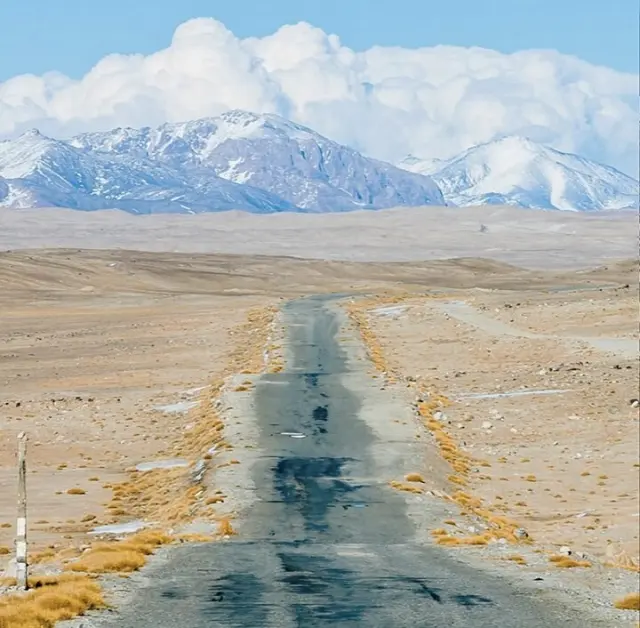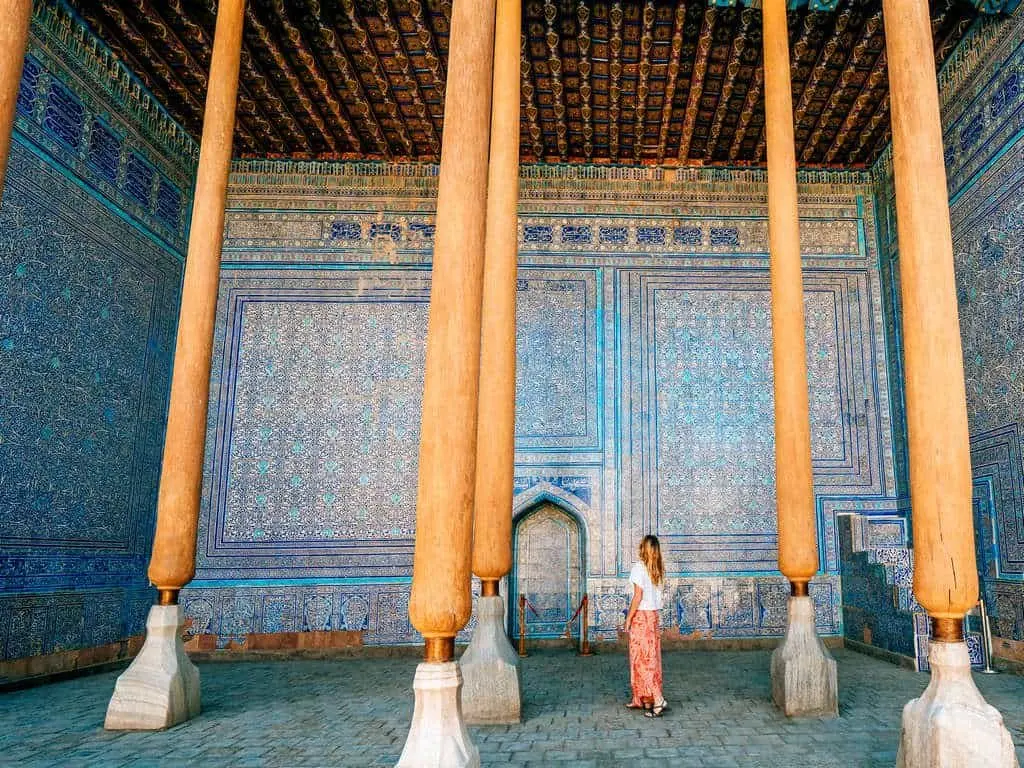
Uzbekistan packs several climates into one trip: scorching Silk Road cities, the Kyzylkum Desert's dunes, and cool Tien Shan mountain trails. A travel writer who has crossed the country five times has distilled what to wear and carry — and the details go well beyond a generic packing list.
Timing shapes everything. The sweet spots are mid-April to early June and mid-September to early November, when city sightseeing and desert trips are comfortable and mountain hiking is at its best. The trade-off: May and September are peak season, so Samarkand, Bukhara and Khiva get busy. July and August can push 40–45°C, while winter is quiet, cold and occasionally snowy — the Chimgan Mountains even offer skiing.
Paperwork has got easier. EU, Canadian, Australian, New Zealand, UAE and Israeli citizens can enter visa-free for 30 days, and as of 1 January 2026 Americans join them. Travellers from 75 other countries, including India and China, can get a 30-day e-visa online — just print a copy. Your passport needs six months' validity.
Money is the practical hurdle. The local currency, the Uzbek som, is nearly impossible to buy abroad, so bring clean, crisp US dollars or euros to exchange — banks in Tashkent give the best rates, and worn notes get you less. Cards now work at many restaurants and hotels in the big four cities, and ATMs there dispense dollars and som, but rural areas are cash-only, so stock up before leaving town.
Health kit matters more than you'd think. The writer claims most travellers she meets get stomach trouble in Central Asia, so anti-diarrheal medicine is non-negotiable — Furazolidone, available over the counter locally, is her fix. Add paracetamol, blister plasters and decent sunscreen (SPF 30–50; the sun is strong year-round, and local corner-shop versions can be fake). Don't drink tap water: either buy bottled or use a filter bottle or UV steripen, which also saves plastic in the countryside.
For toilet stops and yurt stays, bring biodegradable toilet paper — squat toilets dominate outside tourist hotels, and many have no paper at all — plus hand sanitizer, biodegradable wet wipes (many homestays and yurt camps lack hot showers) and a quick-dry microfibre towel. Mosquitoes are barely an issue thanks to the dry heat, though campers near rivers should pack repellent just in case.
Electronics are simple: sockets are European types C and F at 220V, and a power bank is genuinely useful given occasional outages, long train rides and electricity-free yurt camps.
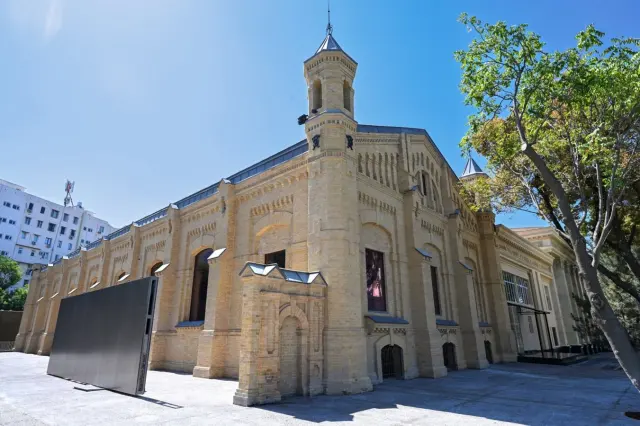
For anyone combining the famous madrassahs of Samarkand with a desert yurt night or a mountain trek, this is the kind of list that saves small misery — the difference between a trip that flows and one spent hunting for cash, water and working toilets. Skip the mosquito spray, but never the toilet paper.