A diplomatic thaw in Central Asia has been unfolding since 2016, and it's starting to show up in the most practical way possible for visitors: easier movement between countries that used to feel like a wall of border queues and paperwork.
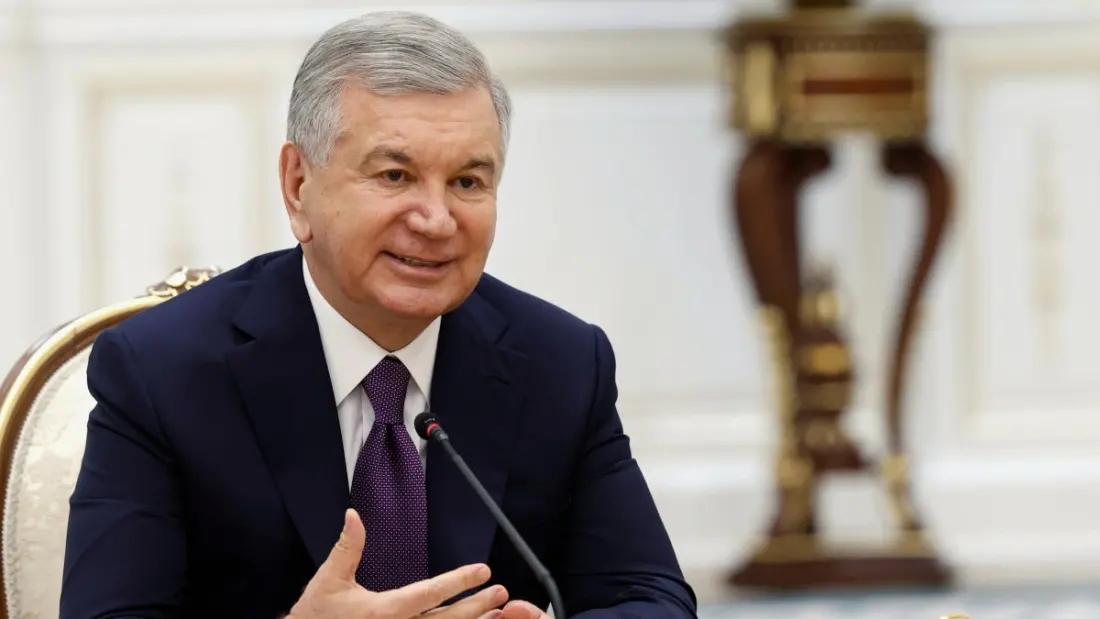
The story centres on Uzbek President Shavkat Mirziyoyev, who has made good relations with his neighbours the core of his foreign policy. Since he shifted Uzbekistan's approach nearly a decade ago, the five Central Asian states — Uzbekistan, Kazakhstan, Kyrgyzstan, Tajikistan and Turkmenistan — have built a habit of regular leader-level summits, direct negotiation on old disputes, and joint work on transport, trade and energy. The source, a Daily Sabah analysis published in October 2026, frames this as a genuine new era of cooperation after decades of friction over borders, water rights and transit routes that dated back to the Soviet collapse.
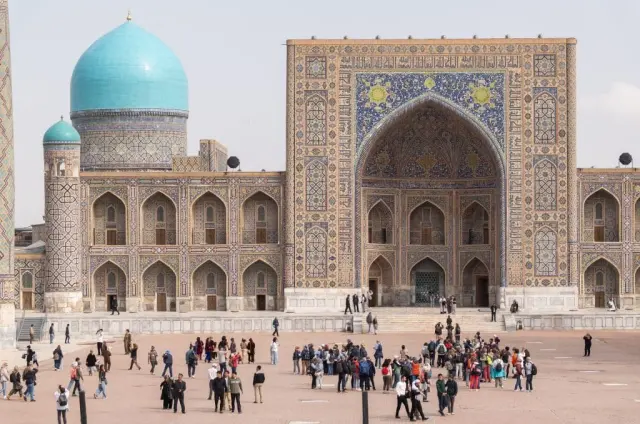
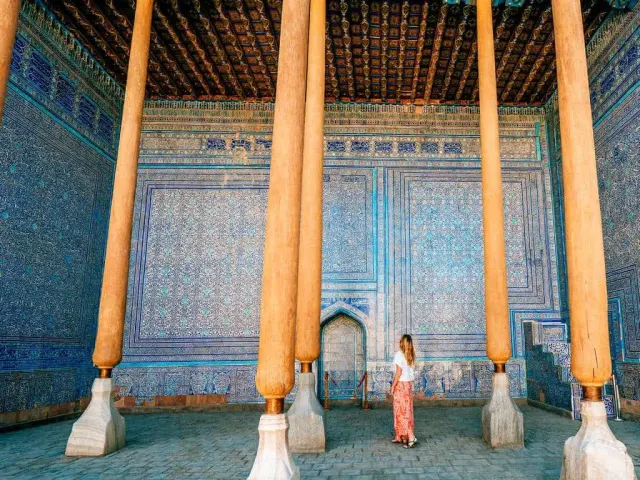
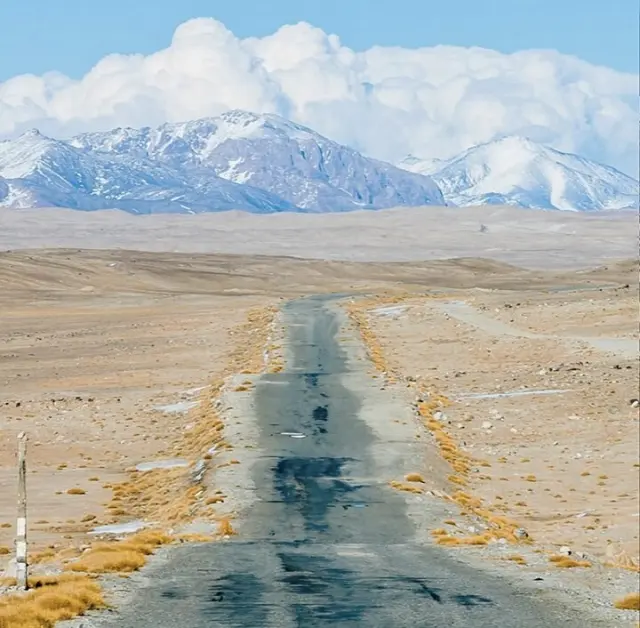
Why should a traveller care? Because the piece points to exactly the things that shape a trip: open borders, revived cross-border travel, new transport routes and closer commercial ties. For a landlocked region with no viable sea routes, overland connectivity is everything — and it's improving. The ancient Silk Road corridor linking Samarkand, Bukhara and Khiva in Uzbekistan with Kyrgyzstan's mountains, Tajikistan's Pamir Highway and Kazakhstan's steppe cities is far more workable as one continuous journey than it was ten years ago.
The article is honest that this isn't full integration. Water scarcity, uneven economies, security worries and spillover from instability in Afghanistan all remain, and the five governments don't agree on everything. But the method of handling disagreements has changed — talks and compromise instead of stalemate — and the analysis credits Mirziyoyev's trust-building push with much of the momentum.
For anyone plotting a multi-country Central Asia route, the takeaway is simple: the region is more open than it has been since independence, and the trend line points toward smoother crossings, better links and more shared infrastructure. If Central Asia has been sitting on your long list, the practical barriers keep getting lower.