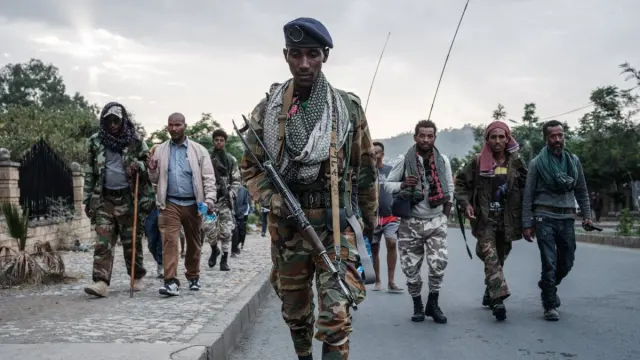
Cross the Ethiopia–Kenya frontier at Moyale and you're usually just queueing for a stamp on a long overland trip. Right now, the crossing is at the centre of something far more serious: ethnic fighting on the Ethiopian side has killed at least nine people and sent more than 2,000 refugees into the Kenyan border town.
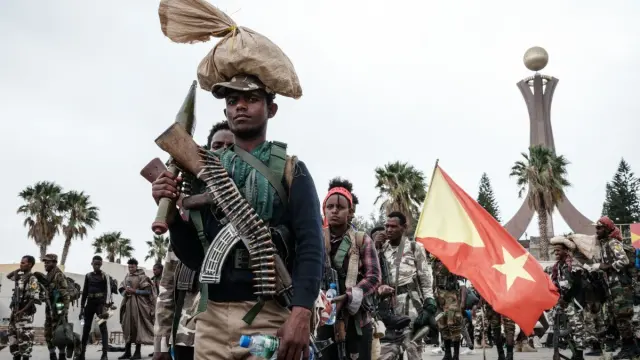
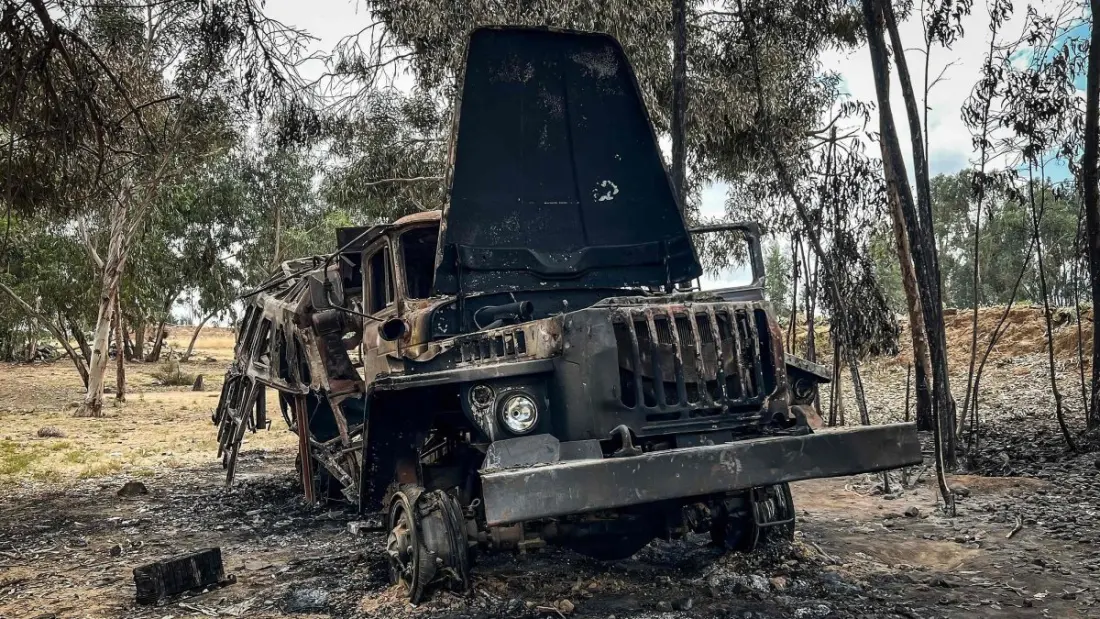
The clashes broke out on Wednesday between Ethiopia's Oromo and Somali communities, reportedly triggered by tensions over the Somali Regional State flag being displayed in territory administered by Oromia. Dozens have been wounded, though the figures haven't been independently confirmed. On the Kenyan side, one woman in Moyale was hit by a bullet fired from across the border and treated for her injuries — a reminder of how easily this unrest spills over a porous frontier.
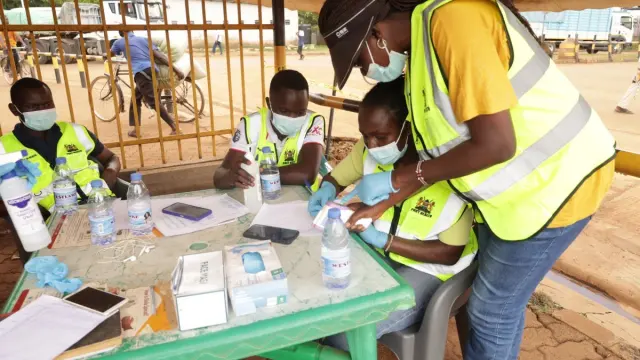
Kenya's response has been quick. Stanley Kamande, commissioner of Marsabit County, confirmed thousands of Ethiopians had arrived in Moyale, and the Kenya Red Cross is now assisting around 1,000 displaced households with temporary shelter, food, clean water and basic supplies, working alongside government authorities.
Moyale matters beyond the immediate crisis. It's one of the main crossings between the two East African countries, sitting roughly 780 kilometres north of Nairobi and 775 kilometres south of Addis Ababa — a key stop on the classic overland route between the two capitals. That's why officials are watching not just for further displacement but for disruption to cross-border trade, which keeps both towns functioning.
For travellers, the practical takeaway is straightforward: if your route involves the Moyale crossing or the border region either side of it, check the latest government travel advisories and local reporting before setting out, and consider whether the timing can be flexible. Long-distance bus services and truck routes through this corridor are the kind of thing that gets suspended or rerouted when security deteriorates. Addis Ababa and most of Ethiopia's classic southern circuits are far from this flashpoint, but border zones can change status quickly and without much warning.
The story here is still developing, and the concern is that further clashes could displace even more people and keep the crossing effectively off-limits for a while. Anyone with firm plans through the area should build in a buffer and stay close to updates from Kenyan and Ethiopian authorities.