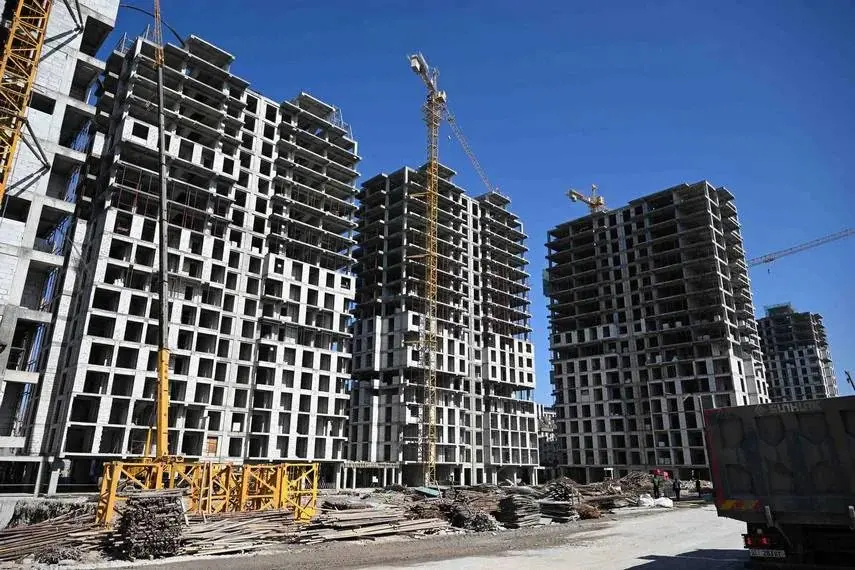
Kyrgyzstan's government has been quietly clawing back real estate on a large scale. Beksultan Tokonov, who runs the country's State Property Management Agency, told Birinchi Radio that more than 1,900 properties have returned to state ownership since 2021. Around 1,600 of those came back voluntarily, while more than 300 were confiscated outright.
What happens next is the interesting part. Only about 15 percent of the reclaimed stock has been sold — though that generated roughly 25.5 billion soms in sales between 2023 and 2026, a substantial sum in a country where the som trades at around 87-90 to the US dollar. A quarter of the properties were handed to state-owned enterprises, and the remaining 60 percent now sit under the operational or permanent management of ministries and government agencies.
Tokonov declined to put a total value on the portfolio, saying budget allocations don't always stretch to proper appraisal costs — a candid admission about the practical limits of the programme.
For now this is mostly an administrative and governance story rather than a travel one: none of the release mentions hotels, resorts, airports or tourism assets specifically. But it's worth noting for anyone watching Kyrgyzstan's broader direction of travel. The country has become one of Central Asia's most talked-about destinations — Bishkek's cafe scene, alpine escapes like Issyk-Kul and Song-Kul, and serious trekking around Karakol have all put it on adventurous travellers' maps. How the state manages and disposes of property shapes the investment climate, and eventually what gets built or renovated for visitors.
If you're planning a trip, none of this changes the practical picture. Kyrgyzstan remains affordable and welcoming, with visa-free or easy e-visa access for many nationalities, and the main gateways are Manas International Airport near Bishkek and Osh in the south. Watch this space if the privatisation programme starts surfacing interesting properties — Soviet-era sanatoriums and mountain lodges are exactly the kind of stock that could reappear on the market.