Most restaurants chase novelty. Onjium, a Seoul dining room sitting across from Gyeongbokgung Palace, does the opposite: it treats the past as its pantry. Since opening in 2013, the team has been researching and reviving two millennia of Korean culinary history, working from the ground up — literally, in the case of the native rice varieties they source instead of modern commercial crops.
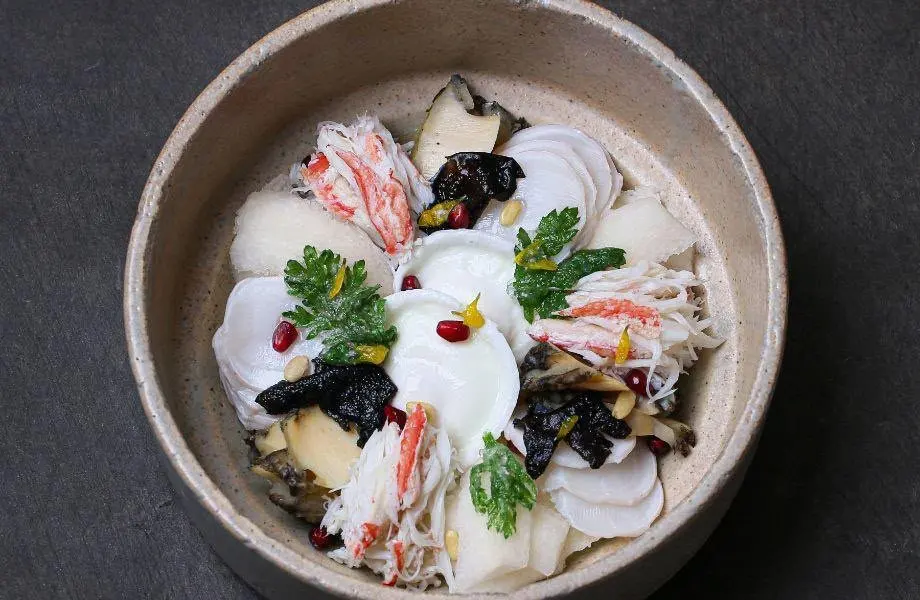
The heart of the project is fermentation, the technique that defines Korean cooking. The kitchen makes its own jang — the family of fermented pastes and sauces built on soybeans and time — including unusual iterations like meat-fermented jang, a style that stretches back centuries but has all but vanished from modern tables. Rather than treating these as historical curiosities, Onjium puts them on the plate, letting diners taste flavours that predate the written menus of most cuisines.
What makes the place interesting is the method. Onjium operates less like a restaurant and more like a research institute with a dining room attached: studying preservation techniques, agricultural knowledge and old recipes, then translating them into a contemporary meal. The location is fitting, too — Gyeongbokgung is the grandest of Seoul's five royal palaces, so a meal here slots neatly into a day of Joseon-dynasty sightseeing. You can wander the palace grounds in the morning, then eat dishes built from the same food traditions the royal court once refined.
For travellers, this is a different way into Korean food than the usual K-BBQ and street-food crawl. Korea's food culture is often summed up by kimchi, but the deeper story is in fermentation and grain heritage — and few places let you taste that story in one sitting. If you're the kind of traveller who plans trips around restaurants that double as cultural documents, Onjium belongs on your Seoul list, ideally booked well ahead and paired with the palace district: Insadong's craft shops and tea houses are a short walk away, making it an easy full-day itinerary in central Seoul.