The Strait of Hormuz, the narrow waterway between Iran and Oman that carries a large share of the world's oil and a steady flow of commercial shipping, is at the centre of a fresh diplomatic push being run out of Doha.
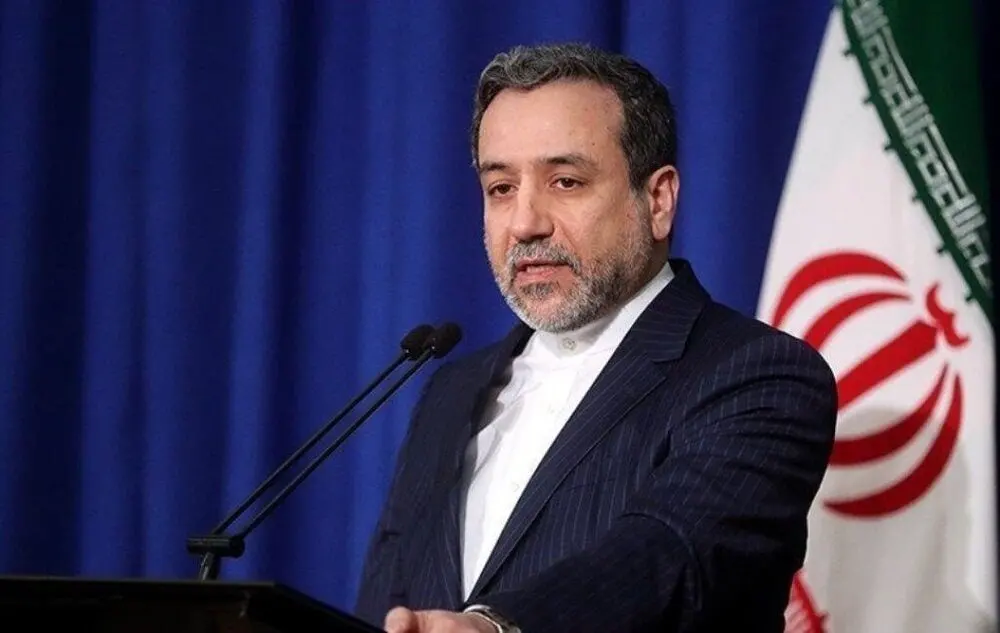
Iranian Foreign Minister Abbas Araghchi told Iran's state news agency ICANA that a delegation's recent trip to Qatar was aimed at finalising a plan to partially reopen the strait, but that no deal has been sealed because Tehran is still waiting for the United States to answer its questions. Consultations with Qatari mediators continue in the meantime.
Speaking separately to Al Jazeera, Araghchi confirmed that Iran has compressed its original seven-day roadmap for reopening the waterway to just two days, on condition that its core demands are actually met. He described recent outreach from Washington as a "positive step", though he said Iran sees no need for direct talks for now.
The timing matters. A US moratorium on strikes is set to expire on 3 November, which puts pressure on the Doha channel to produce results quickly. President Donald Trump, speaking to reporters in Florida, signalled that Washington is "in no hurry" on Iran, and reports suggest he has recently spoken with Israeli Prime Minister Benjamin Netanyahu as the US weighs its options, with renewed strikes still on the table amid the ongoing war in Gaza.
Qatar's role is to shuttle messages between Tehran and Washington and try to find common ground before the region tips into wider escalation. For its part, Iran is not relying on diplomacy alone. Araghchi warned that the country's armed forces are stronger than before, drawing on lessons from the last two rounds of confrontation, and said the Islamic Republic is ready for both defence and talks. Which path gets taken, he suggested, depends on Washington's choices.
Why should travellers care? The Gulf is a fast-growing holiday and transit region — Doha's Hamad International and Dubai are major hubs, and Hormuz sits on one of the world's busiest shipping lanes. Any breakdown in these talks could mean renewed strikes, airspace closures, rerouted flights and shaken regional security. Anyone with trips booked to Qatar, the UAE or Oman in the coming weeks should keep an eye on developments, particularly around the 3 November deadline. Conversely, if the two-day reopening plan holds, it would be a meaningful de-escalation signal for the region.