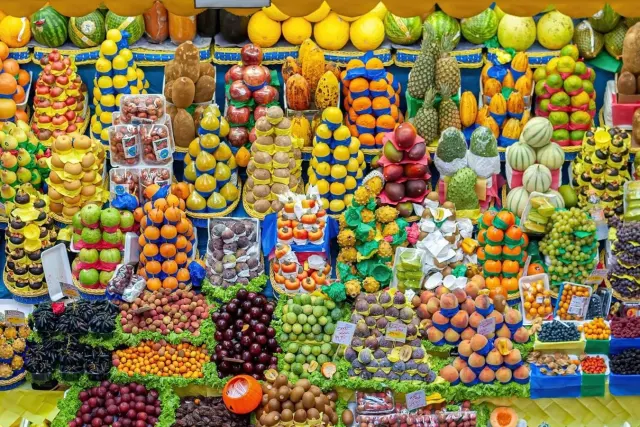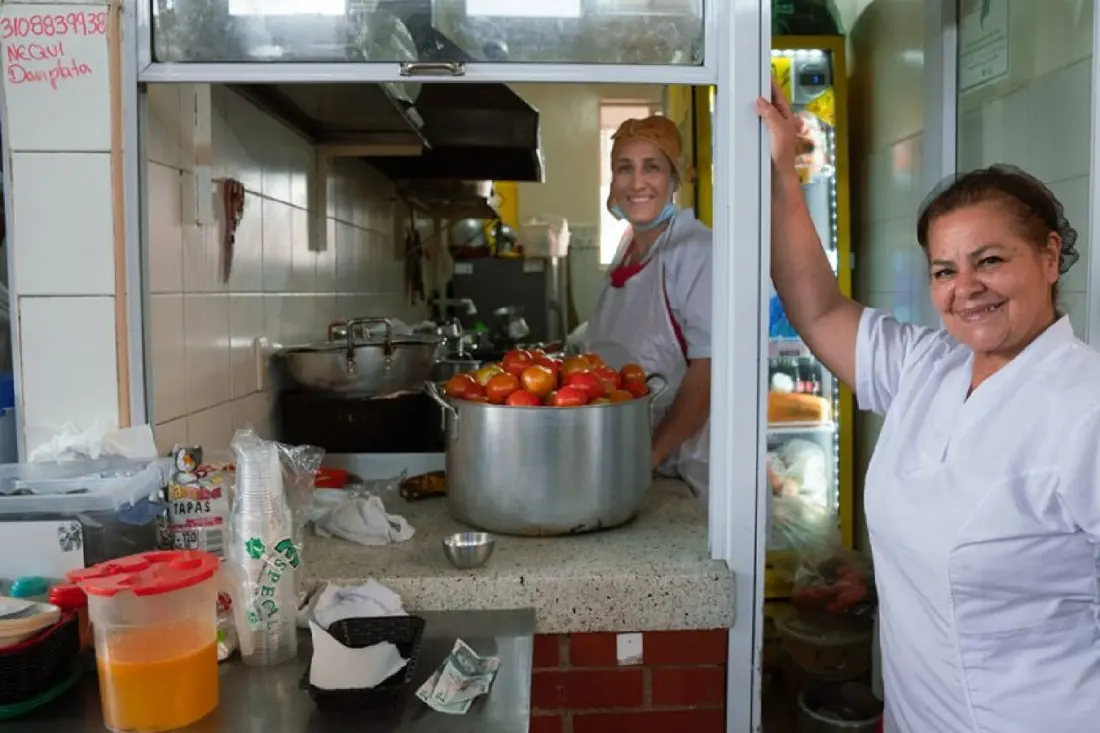
Skip the museum queue for a morning at La Concordia and you'll get a quicker lesson in Colombia than any guidebook can offer. Bogotá's covered markets, long treated as places locals pick up produce, are quietly stepping into the spotlight as food destinations in their own right — and foreign visitors are leading the charge.
The city's Mayor's Office has been running a Living Heritage Inventory across 19 district markets since 2024, and the early findings are striking: the kitchens aren't a side feature, they're the engine. Food preparation and processing shape how these markets operate, tying together farmers in the countryside, stallholders, cooks and regulars into one working social and economic web. Restaurants buy from neighbouring stalls, feed the traders themselves, and keep relationships alive that stretch back generations.
What's on offer is far from uniform. Fried platters, wrapped foods, fresh juices, regional dishes, breakfasts and café staples all coexist under one roof, each carrying the culinary history of a different part of central Colombia. Recipes pass down through families — largely unwritten, adjusted daily through practice. Women are central to this: mothers and grandmothers run the kitchens, train newcomers, organise community life and hold the whole network together.
Tourists have caught on. The Bogotá District Tourism Institute (IDT) actively promotes markets like La Concordia to international visitors, noting that foreigners wandering the aisles aren't shopping for groceries — they're hunting typical Colombian flavours. The numbers back the interest: Bogotá welcomed more than 14 million visitors in 2025, roughly two million of them from abroad, and the city ranks among Latin America's best-positioned destinations for gastronomy, culture and entertainment.
There's a social dimension too. Markets donate food, keep prices affordable, minimise waste and preserve memories — regular customers who've come for decades, dishes that taste of a home region. The Mayor's Office calls them living archives of the city, and stresses the research is ongoing and preliminary, developed together with the market communities themselves.
For travellers, the practical upshot is simple: a market lunch in Bogotá delivers regional Colombian cooking, an authentic atmosphere and a glimpse of how the city actually feeds itself — often for a fraction of what a restaurant in the trendy neighbourhoods would charge. Go hungry, wander past the produce stalls first, and let the cooks do the talking.