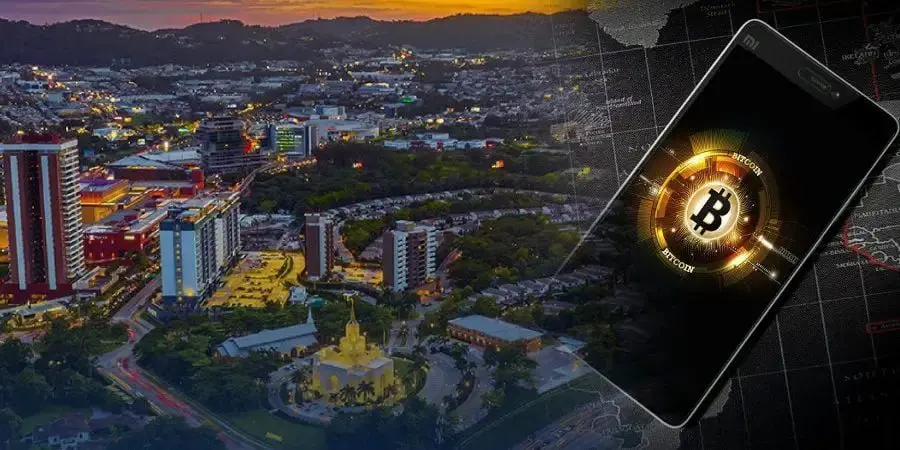
El Salvador made headlines in September 2021 as the first country to adopt Bitcoin as legal tender, and the government hasn't stopped buying since. As of 1 November 2026, the national reserve stands at roughly 7,822 BTC — about $607.6 million at $77,678 per coin, according to figures the National Bitcoin Office (ONBTC) shares on social media. Since November 2022, President Nayib Bukele's administration has been buying at least one coin a day, sometimes more when prices dip, and it says it will keep going until Bitcoin becomes too expensive to buy cheaply.
The story hasn't been a straight success. Daily life for most Salvadorans still runs on US dollars, the actual currency in circulation, and Bitcoin is used far less than the rollout promised. In 2025, as part of a deal with the International Monetary Fund, lawmakers made accepting Bitcoin voluntary for private businesses — a significant walk-back from the original Bitcoin Law, which had required shops to take it where technologically possible. The government's own reserve-building continues regardless, and the state remains tight-lipped about purchase costs, mining profits and commissions.
One genuinely Salvadoran twist: the country mines its own coins using geothermal energy from its volcanoes. The government has never disclosed how many mining operations exist today, but the projects have been covered by Reuters and Nasdaq, and they tie into Bukele's broader pitch of El Salvador as a hub for crypto companies, investors and tech entrepreneurs.
For travellers, the practical picture is simple. You can visit El Salvador and pay for almost everything in US dollars — cash and cards work normally. Bitcoin wallets like the state-run Chivo app exist, and some businesses, particularly in surf towns and crypto-friendly spots around the capital, will take it, but nobody should arrive expecting to live on sats alone. Bring dollars or a card; treat any Bitcoin payment as a novelty, not a necessity.
Why should a holidaymaker care? Because the crypto experiment is now part of the country's identity and its appeal. El Salvador has spent the past few years courting digital nomads, investors and curious visitors, alongside its real headline attractions: world-class surf breaks like El Tunco and El Zonte (the latter famously known as "Bitcoin Beach"), the Ruta de las Flores mountain towns, volcano hikes at Santa Ana, and colonial Suchitoto. The country is compact — you can cross it in a few hours — which makes a surf-plus-volcanoes-plus-city trip easy in a single week.
There are caveats worth knowing. The IMF agreement signals that El Salvador's Bitcoin-first branding is softening, so don't plan a trip around spending crypto. And while tourism has boomed and safety has improved substantially under recent governments, it's worth checking current travel advice before booking.
Ultimately, El Salvador remains the world's most interesting real-world test case for a national crypto economy — and one of Central America's most underrated destinations, Bitcoin or not.