For years, Oslo was the place you passed through on the way to fjords and Northern Lights territory. Not any more. Norway's capital has built up a cultural and design profile strong enough to justify a city break all of its own — and a new wave of hotels is both riding and driving that shift.
Start with what's on offer beyond the lobby. The city has eleven Michelin-starred restaurants, boundary-pushing cocktail bars like Himkok and Svanen, vintage markets and indie boutiques. Two heavyweight museums anchor the waterfront: the Munch Museum in Bjorvika, designed by Estudio Herreros, and the National Museum at Aker Brygge, the largest art museum in the Nordics. Then there's the setting — roughly two-thirds of the Oslo municipality is forest, making it one of Europe's greenest capitals. You can spend a morning with Edvard Munch and an afternoon skiing or hiking up by Holmenkollen, all on an easy public transport network. Add small electric boat cruises on the Oslofjord and floating saunas where you can plunge into cold water between heats, and you've got an unusually well-rounded weekend.
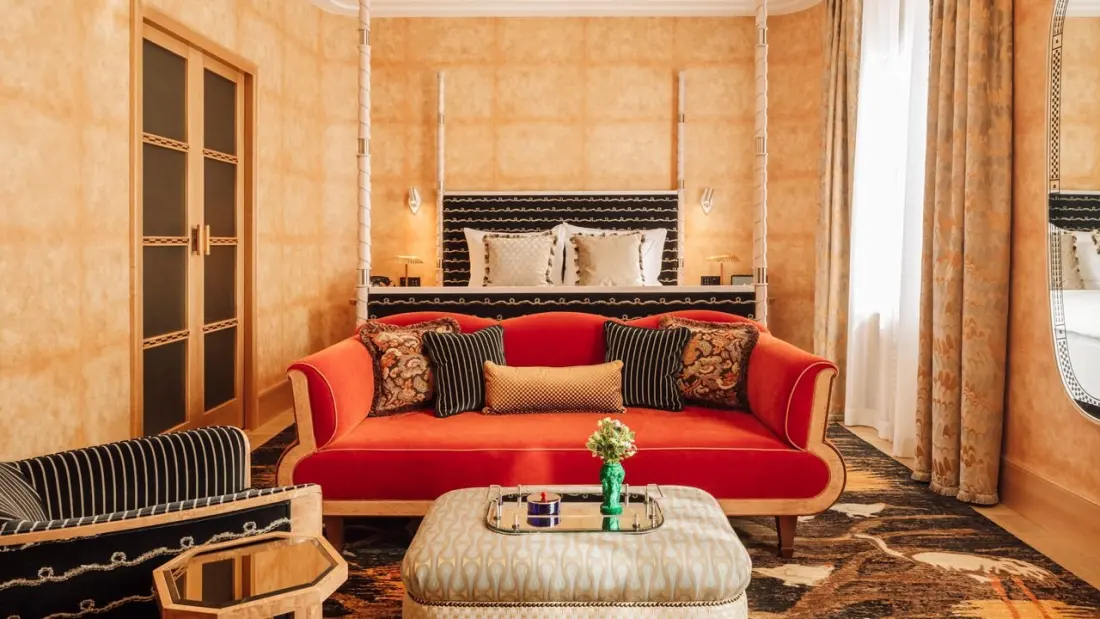
The hotel story is what's changed most. The days when the choice was between bland business chains and faded heritage properties are over. Condé Nast Traveller's latest round-up of the city's best hotels highlights revived grand dames alongside design-led and art-filled properties, with nature-focused stays at the forested edge of town. Most are boutique in spirit rather than ownership — a handful of big hotel groups back many of them — but the standard of design, service and sustainability credentials has clearly lifted.
The editors' standouts: Hotel Christiania Teater wins on location, the Savoy 1918 takes the luxury crown, and Hobo Oslo is the boutique pick. There's also a newer tier of genuinely stylish budget options — still not cheap by normal standards, but a relative bargain in a city where prices run high. One practical tip repeated for visitors: the Oslo Pass, which bundles public transport and attraction entry, does a lot to trim costs.
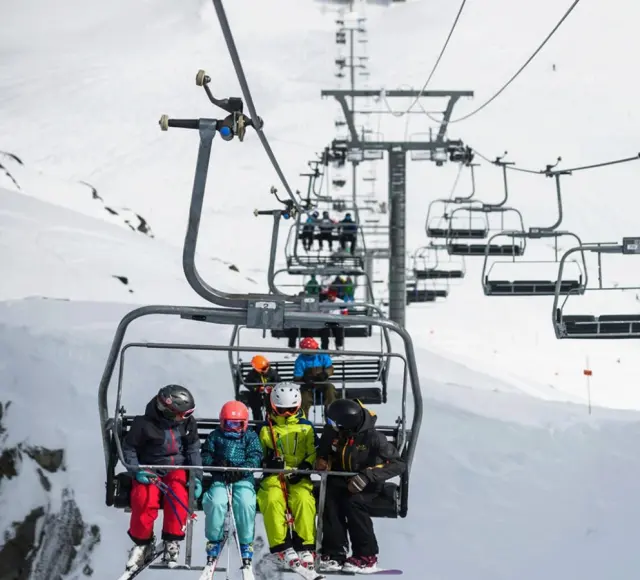
Why should this matter to you? If your mental image of Oslo is a functional stopover, it's out of date. This now works as a proper short-break destination: compact enough to walk or tram between museums, fjord and forest, with a food and bar scene punching above its size. It suits design lovers, art fans, and anyone who likes the idea of a sauna-to-fjord plunge before dinner. Winter brings snow sports within city limits; summer brings long light and waterfront life. Either way, booking one of the newer design hotels rather than defaulting to an airport-style chain is part of the experience now.
First published by Condé Nast Traveller UK.