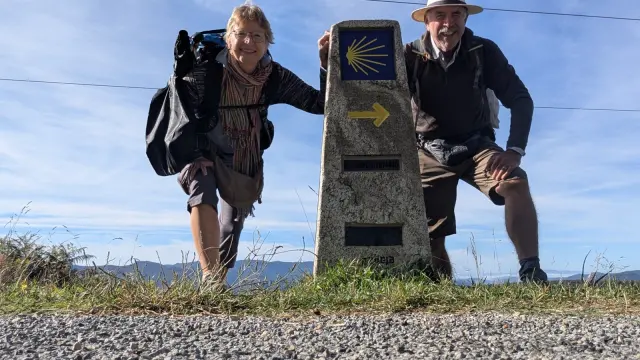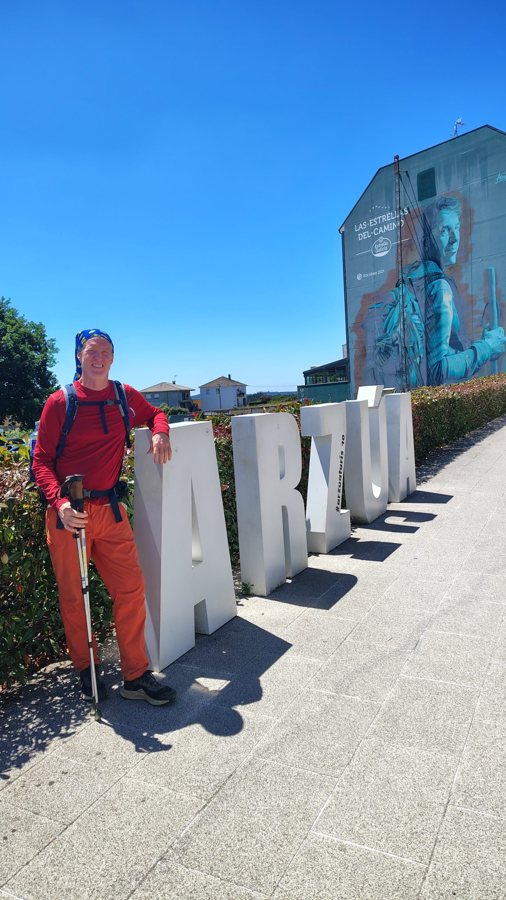
By day 33 of the Camino Francés, with 462 trail miles behind them, the walkers in this latest dispatch had earned an easy one: just 8.6 miles from Melide to Arzúa in Galicia, northwestern Spain. It turned out to be a day that captures why so many people fall for the final stretch of this pilgrimage — shady forest paths, cheap grocery-store picnics, and small rituals that repeat across centuries.
The day started with a lesson in Spanish home design. Overnight noise from street revellers drove the writer to pull down the metal window shutters — persianas — that Spanish buildings use everywhere. Fully closed, they create total blackout, and the resulting deep sleep pushed wake-up time to 8am on a crisp 50°F morning. Short days like this one are a luxury on the Camino, where most pilgrims cover 15 to 20 miles.
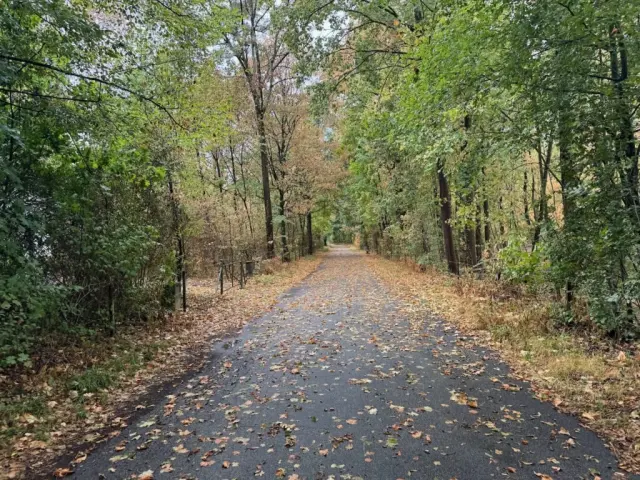
Leaving Melide, the route passes a busy 12th-century church, then dives under a forest canopy that softens the crowds — and this stretch is busy, since it sits on the final approach to Santiago de Compostela. The trail alternates between woodland and quiet village roads, and passport stamps matter here: pilgrims need two per day in the last 100km to qualify for the Compostela certificate, so a roadside café and a village church each provided one.
The highlight for many walkers is Ribadiso, a tiny medieval village in a steep river valley. Pilgrims flopped onto an ancient stone bridge and soaked tired legs in the icy river — a Camino tradition visible here almost every afternoon. There's also the social side: over the water, the writer swapped numbers with Manuel, a friend from Porto, who described the Festa de São João, Porto's 700-year-old midsummer festival in late June, complete with people bopping each other with plastic hammers.
Then came Arzúa, and a masterclass in 'hiker trash' dining. With no café seats available, the writer stacked wooden shipping pallets outside a Carrefour into a makeshift table and ate watermelon, sandwiches and yoghurt while shoppers stared. It's a reminder that Camino life runs on supermarket picnics as much as pilgrim menus. Arzúa itself felt oddly quiet — wide modern streets, little foot traffic — though the night's accommodation, a centuries-old stone building renovated into a sleek modern albergue, ended the day well, capped by drinks with trail friends Robert and Jill.
For anyone planning the last week of the Camino Francés, this stage is a good template: it's short, well-serviced, and full of the small pleasures — forest shade, river soaks, cheap picnics — that make the pilgrimage feel like a holiday rather than a race. Arzúa is also the junction with the Camino Primitivo, and famous locally for its cow's milk cheese, so it's worth lingering an extra day.