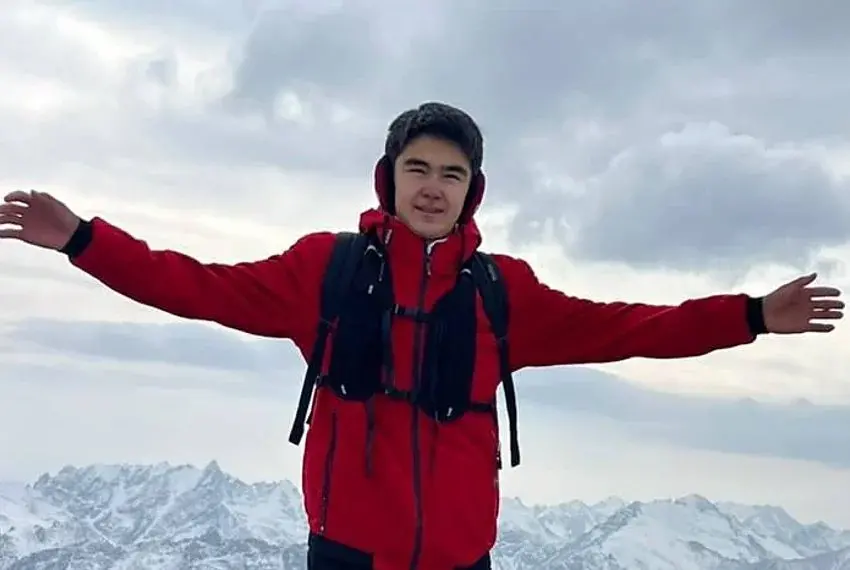
A search operation in Ala-Archa State Nature Park, near Bishkek in Kyrgyzstan, has ended in tragedy. Fourteen-year-old Amir Kunakunov, who went missing on 7 November after heading into the park alone, has been found dead. Preliminary reports point to hypothermia as the cause.
The story began that morning, when Amir left home to join a running competition being held in the park. Organisers turned him away because of his age, and rather than head home he set off by himself towards Adygene Gorge, a side valley in the park's steep alpine terrain. That evening he managed to call Kyrgyzstan's Ministry of Emergency Situations to say he was lost in the mountains — then contact dropped. His phone last registered a signal at around 5:05 a.m. the next day, near the village of Vostok in Chui region.
The response was substantial. Ministry rescuers, experienced mountaineers and volunteers combed the area, and the boy's backpack was recovered during the search. As the operation stretched on, Cabinet Chairman Adylbek Kasymaliev chaired an online meeting and ordered an intensified effort, putting drones and a helicopter into the air. Despite that, the search ended with the confirmation of Amir's death.
For anyone who has visited or plans to visit Ala-Archa, the details are a sobering reminder of how quickly conditions turn. The park sits in the Tian Shan mountains barely an hour's drive from Bishkek, which makes it feel accessible — a popular day trip for hikers, trail runners and picnickers. But its gorges climb fast into high, exposed country, and in November daylight is short and temperatures can fall below freezing well before nightfall. A fit adult can get into serious trouble here alone; for a 14-year-old without proper gear, a wrong turn in Adygene Gorge was enough.
The wider takeaway for travellers in Kyrgyzstan is simple: mountains near the capital are still real mountains. Tell someone your route, carry layers well beyond what the forecast suggests, keep a charged phone and a power bank, and think twice about setting off solo on any trail where the weather or light could turn. Kyrgyzstan's rescue services do respond — this operation involved ministry teams, volunteers and aircraft — but prevention beats rescue by a wide margin in terrain like this.