France is in the middle of its biggest wave of unrest in years, and anyone with a trip to Paris on the books is right to ask what it means for them. The short answer from the ground: travel is still very much possible, but it pays to plan around it.
The movement began in September with high-school students demanding better conditions, particularly in overlooked suburban areas. Since then it has swelled into a broader protest against the cost-of-living crisis, fuel prices and shrinking social welfare, drawing an estimated 550,000 people nationwide on Saturday 17 October (organisers claim closer to 800,000). Most marches were peaceful, but violence, vandalism and looting hit several cities: Lyon's tourist office on Place Bellecour was set on fire, dozens of shops on its Presqu'île were looted, Marseille's town hall was stormed, and Limoges' 19th-century Hôtel de Ville suffered severe fire damage.
The authorities have responded firmly. Paris police imposed an overnight curfew around République and Les Halles from 19 October, then on 22 October banned unauthorised gatherings between 8am and 8pm near the Louvre, Champs-Élysées, Bastille, République and major stations. Similar curfews are in place in Lyon, Bordeaux, Lille and Nice. Metro closures have become routine — Bastille, Saint-Paul, Gare d'Austerlitz and others shut at short notice, with Line 10 partially interrupted. Prime Minister Sébastien Lecornu met union leaders on 21 October without a breakthrough, and a large security operation involving armoured vehicles and Operation Sentinelle troops is planned for Saturday 24 October. Students have called further days of action for 24 October and 3 and 5 November, so disruption may continue.
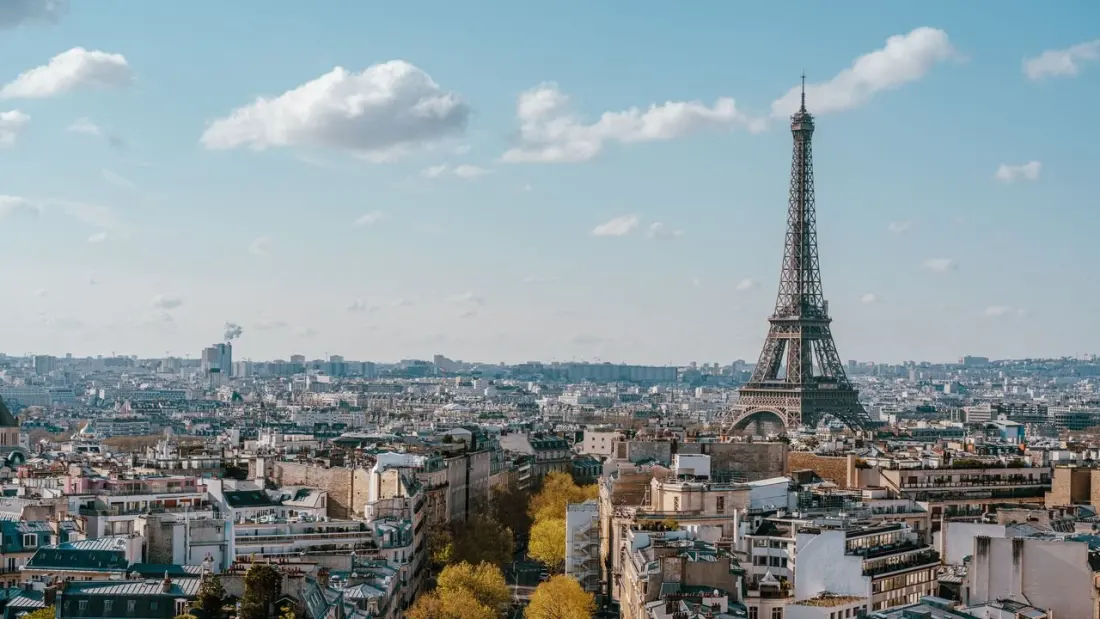
So should you cancel? The local view is no. The trouble is localised and the restrictions target demonstrations, not tourists — the Eiffel Tower is open and busy. Hotels have reported some cancellations ahead of the Toussaint school holidays, but the overall impact on bookings remains limited so far.
A few practical moves will make a trip smoother. Skip hotels near flashpoint squares like République, Bastille, Nation and Place de Clichy; the 14th, 15th and 13th arrondissements on the Left Bank are calmer and well connected. Follow the Préfecture de Police on X and check Bonjour RATP before setting out, since Metro stations can close with little warning. Keep plans flexible — the Louvre was blocked by students on 19 October — and consider smaller museums instead, like the Musée Gustave Moreau in the 9th or the Musée Zadkine in the 6th. If you stumble into a march, walk away calmly and follow police instructions. And if you want an Eiffel Tower photo without the crowds, Île aux Cygnes offers a quiet view complete with its own miniature Statue of Liberty.
France remains open for business — it just rewards travellers who stay informed and keep their itinerary loose.