Travellers flying or sailing between Spain and Italy can expect normal, check-free movement again. The two governments have agreed to let the temporary border controls they imposed on each other lapse, ending a dispute that had been simmering since the summer.
The deal was sealed in a phone call between Spanish Interior Minister Fernando Grande-Marlaska and his Italian counterpart Matteo Piantedosi, coming after Prime Ministers Pedro Sánchez and Giorgia Meloni met at a European Council gathering. Both countries confirmed their controls would not be renewed. Per the European Commission's register, Spain's controls were due to run until 22 October and Italy's until 23 October, so the restrictions simply expire rather than being extended again.
The row began in late July, after nearly 80,000 people arrived in Ceuta, the Spanish enclave in North Africa, across two days from Morocco. Italy responded by restoring checks on arrivals from Spain on 1 August, arguing that people who had entered Ceuta could move onwards to Italy. Spain hit back with its own checks on Italian arrivals, calling Rome's move unjust and discriminatory. What followed was months of tit-for-tat extensions and increasingly sharp words — Spain's foreign minister José Manuel Albares labelled Italy's September renewal a "disgrace", while Antonio Tajani in Rome branded Spain's response "unnecessarily aggressive".
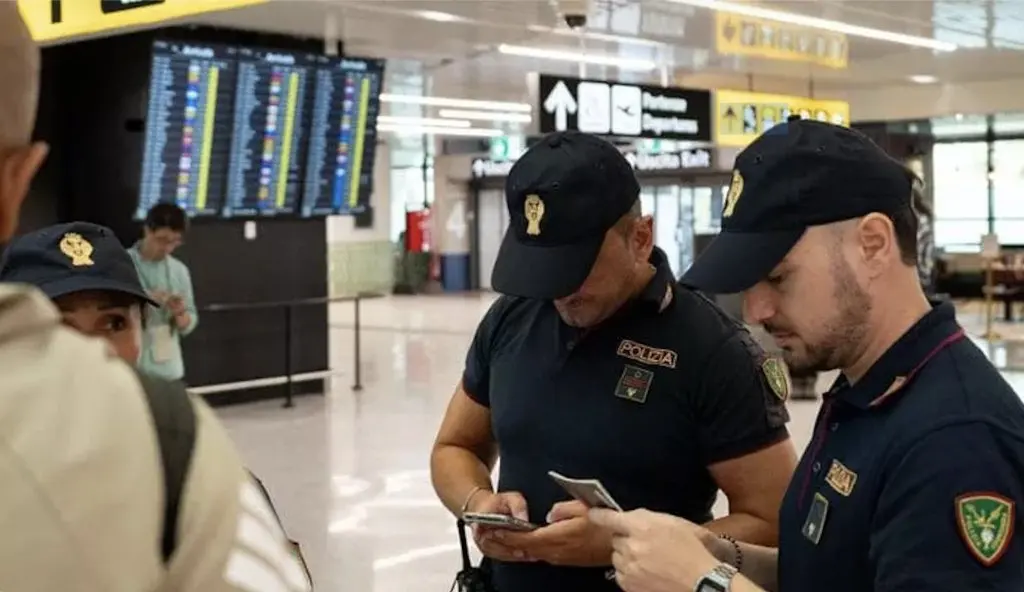
The checks were not trivial in scale. Italy said it screened more than 180,000 travellers arriving from Spain in the first month alone, refusing entry to 31 people and making six arrests.
One detail worth knowing: the dispute largely turned on a misunderstanding of how Ceuta and Melilla already work. Both enclaves sit outside the usual Schengen free-travel arrangement, and anyone leaving them for mainland Spain by ferry or plane already passes a National Police identity check. In other words, arriving in Ceuta never granted unchecked access to the rest of Spain or Europe — a point Spain repeatedly made while the row played out.
For holidaymakers, the practical upshot is simple. If you were flying Madrid to Rome or taking a ferry route between the two countries this summer, you may have noticed passport-style checks that broke with the usual Schengen experience of boarding with just a boarding pass. Those are now gone, replaced by a commitment to beefed-up information-sharing between the two governments' interior ministries.
Why it matters: even short-lived internal border controls can add queues, require carrying passports on routes that normally need only ID, and occasionally catch travellers out on connections. Their removal restores the frictionless travel most people expect when hopping between Spain and Italy — two of Europe's biggest destinations for city breaks, beaches and island-hopping.