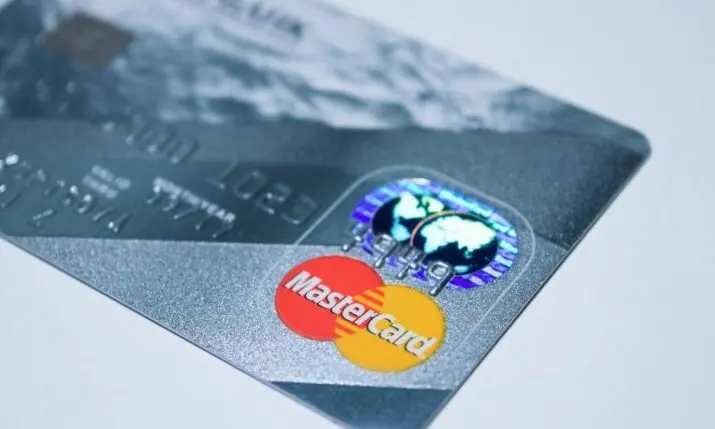
Card payments are second nature for most travellers in Croatia — right up until a power cut or network outage leaves you stranded at a supermarket till with no way to pay. That scenario is about to change. From 2027, Mastercard is rolling out offline payment capability across Europe, and Croatia is included in the first wave.
Here's how it works. From February 2027, every newly issued Mastercard card in Europe will carry technology that stores a predefined spending limit on the card's chip. If a payment terminal loses its connection to the network, it can still approve transactions locally — you insert your card, enter your PIN, and the payment goes through even without internet or electricity on the merchant's side. Once the connection returns, the transaction is sent for processing as normal.
There are limits, literally. Each offline transaction is capped at €200, and the real ceiling depends on limits your own bank sets on the card. The service is also scoped to essentials: supermarkets, grocery shops, pharmacies, petrol stations, plus ticket machines and other transport-related vending machines. So you'll be able to buy food, fuel and medicine during an outage — it's not designed for splurges at the mall.
The timing of terminal upgrades matters too. By May 2027, all new payment terminals in Europe, and any equipment replacing existing machines, must support offline payments. Croatia's inclusion comes via Mastercard's local office, which confirmed the European rollout applies there.
The push follows a wake-up call: the April 2025 blackout in Spain and Portugal, which cut an estimated 55 million people off from digital payments. Offline payments have already been trialled in Denmark, Sweden, Estonia and Latvia, and the wider rollout has been coordinated with governments, regulators and central banks. Mastercard's Brice van de Walle framed it simply — the point is keeping access to food, fuel and medicines when infrastructure fails.
Why should holidaymakers care? Croatia is a hugely popular summer destination where card acceptance is widespread, but the coast is no stranger to storms, grid strain in peak season and the occasional network hiccup. From 2027, the risk of being temporarily cashless during an outage shrinks considerably. It won't remove the case for carrying some cash as backup — offline limits vary by bank, and not every terminal or card will be ready on day one — but it makes a card-only trip more resilient than it used to be.
For anyone travelling with a newly issued Mastercard from early 2027, the practical takeaway is to check your bank's offline spending limit when the feature arrives, so you know what you can actually spend if things go dark. For everyone else, it's a quiet improvement to everyday travel logistics: fewer moments where a blackout turns a grocery run into a problem.
First reported by Croatia Week.