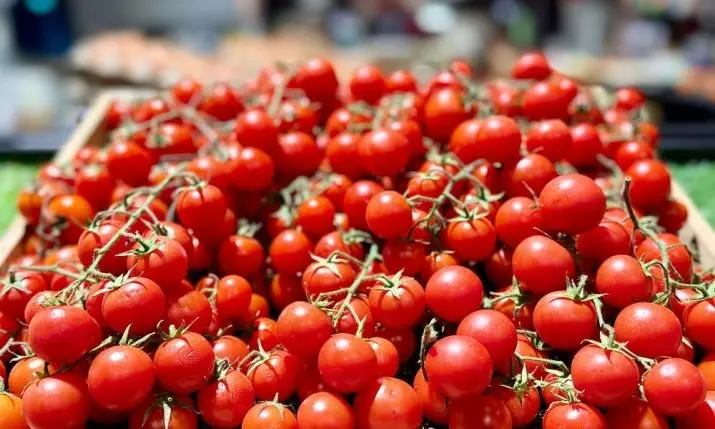
A batch of cherry tomatoes at the centre of a salmonella investigation in Italy has turned up on menus in Croatia. The State Inspectorate says 150 kilogrammes of the affected tomatoes were distributed to five catering establishments in Istria and Primorje-Gorski Kotar County — including restaurants in Rijeka, Rovinj, Novigrad and Poreč, all popular spots on the country's northern Adriatic coast.
The tomatoes were bought in Italy in early September, and some of the businesses sourced them from a Metro wholesale branch in Trieste, just over the border. Croatian authorities got wind of the distribution through the EU's Rapid Alert System for Food and Feed, which flags cross-border food safety problems between member states.
There's a fair bit of reassurance for travellers here. The inspectorate says all five restaurants involved are seasonal operations that have already closed for the year, and no cases of suspected food poisoning linked to them have been reported. The real health impact is on the Italian side of the Adriatic: prosecutors there are investigating a significant number of infections across several regions, with children among those affected and some needing hospital treatment. One line of inquiry is contaminated irrigation water — salmonella can enter groundwater from animal faeces and reach fruit and vegetables during growing. A former Sicilian cherry tomato case raised similar worries about wastewater.
Officials point out that salmonella on tomatoes is unusual, though the bacterium is among the most common triggers of food recalls — Croatia has logged four salmonella-linked recalls this year. Standard advice still applies: wash fruit and vegetables under running water before eating. But experts caution that washing can't guarantee removal of all harmful microorganisms, so badly contaminated produce remains a risk however well you rinse it.
If you're travelling in Istria or the Kvarner Gulf over the coming months, this is less a warning than a nudge: the affected restaurants are shut and the product has been traced, but it's a good moment to be mindful about raw produce while the Italian investigation continues. The sample of tomatoes was taken on 15 September, and the product was sold loose in transport boxes, so it never carried branding that would let consumers identify it themselves.