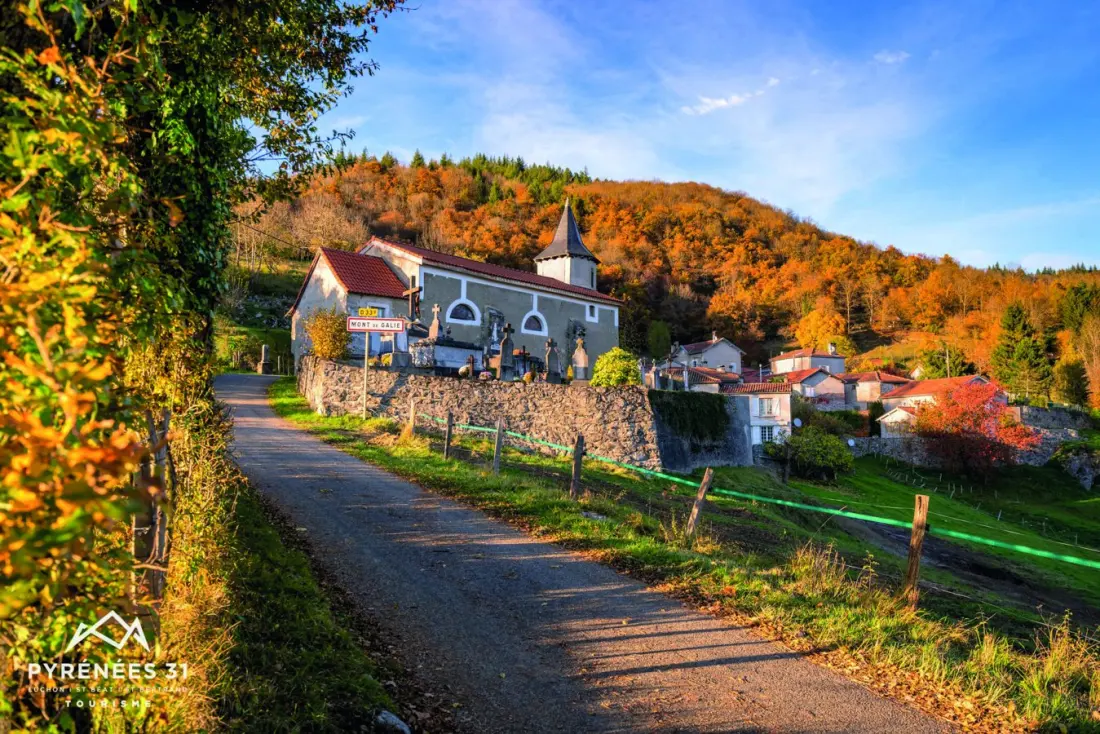
Most people file the Pyrenees under winter skiing or summer hiking, but autumn might be the range's best-kept secret. In the Central Pyrenees, around the Haute-Garonne's southern edge, the beech and fir forests turn copper and gold, the summer crowds are long gone, and the wildlife is putting on a show. Topping the list is the deer rut around Le Mourtis, when stags bellow and clash across the mountainsides — one of Europe's most dramatic wildlife spectacles, and one you can witness on a guided walk rather than a documentary.
The timing is no accident. This is the first autumn for the new Comminges-Barousse Regional Natural Park, a recently created protected area covering a sweep of mountain terrain known for its biodiversity and varied landscapes. The park is running guided walks and sessions with local naturalists, which is a smart way in if you want more than a stroll — think identifying animal tracks, learning how the forests work, and understanding why this corner of the range earned protected status.
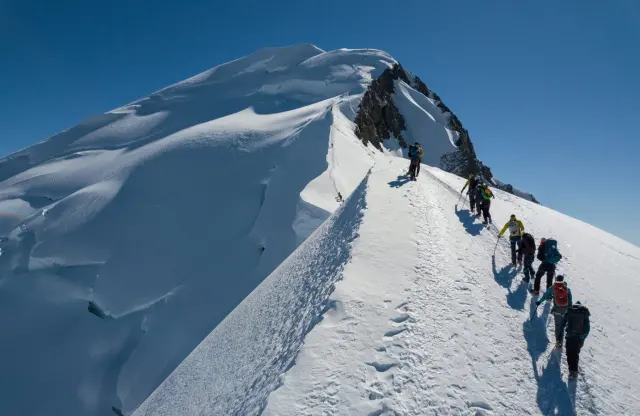
The walking itself suits almost any level. Lower forest trails wind through beech and fir with barely a climb, while harder options head up towards the ridges where the views stretch to the high peaks. Because it's shoulder season, you'll often have paths to yourself, and the light in late afternoon is made for photographers.
What sets this area apart from other mountain regions is the depth of its heritage. Saint-Bertrand-de-Comminges, one of France's most beautiful hilltop villages, carries Roman roots and a remarkable cathedral, and deserves half a day even on a walking-focused trip. Nearby villages keep their medieval layouts, and the thermal towns that made the region fashionable in the 19th century still run their spas — a warm soak goes down well after a cold-morning hike.
If your dates are flexible, aim for the Fête de la Pomme in Sauveterre-de-Comminges on October 17-18. The apple festival is exactly what it sounds like: a small-village celebration of local orchards, cider and produce, and a good excuse to plan a walk around it.
For holiday planning purposes, this story works two ways. If you want an active autumn break without Alpine prices or crowds, the Central Pyrenees delivers: walking, wildlife, spa towns and village festivals within a short drive of each other, all searchable via the local tourism site pyrenees31.com. And if you simply want a reason to see the deer rut in person — something most travellers never do — this is one of the most accessible places in Europe to do it. Pack layers and decent boots; mountain mornings are properly cold by mid-October even when the days stay sunny.