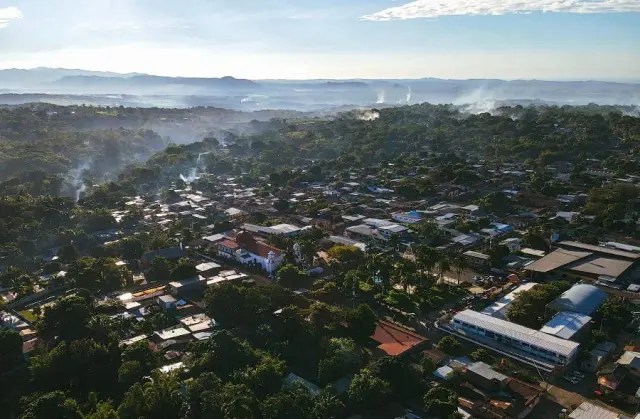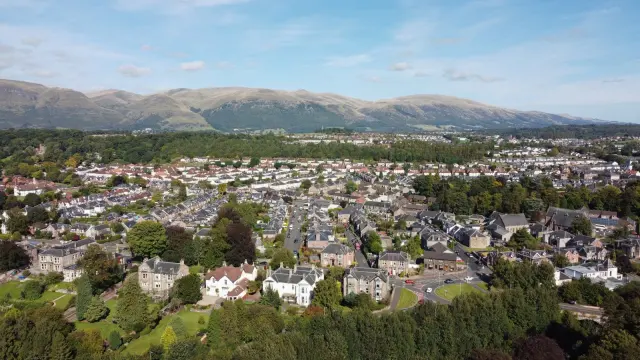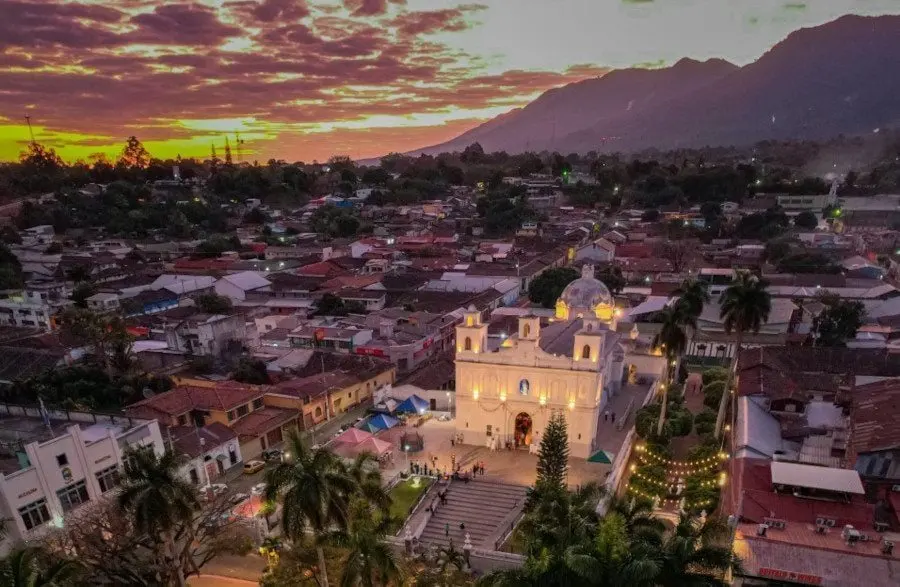
Most travellers racing along El Salvador's Ruta de las Flores blow straight past Ahuachapán, which is a shame. This western city, the capital of its department and sitting about 100 km from San Salvador close to the Guatemalan border, is one of the country's oldest towns — and a genuinely useful base for the whole region.
The name comes from Nahuatl and is usually translated as "place of oaks", a nod to the Indigenous communities who lived here long before Spanish colonisation. That layered past shows up everywhere: in the old churches, the place names, the food and the festivals. The land itself has personality too — volcanic activity under the city feeds the Los Ausoles geothermal area, where steam vents and hot ground hint at the forces that also generate much of the region's electricity. Stick to official access points if you go; the terrain is hot and unstable in places.
The compact historic centre is best explored on foot. Start at Parque Francisco Menéndez, the main square and the city's social heart, then duck into Pasaje La Concordia, a distinctive pedestrian passage that connects several public spaces and makes for great photos. The historic churches are still active places of worship, so time your visit around services rather than through them.
If you can, plan around September 7, when Día de los Farolitos fills the streets with lanterns and lights to mark the birth of the Virgin Mary. It's the city's signature celebration and a real look at local identity in action. Patron saint festivities later in the month add religious processions, food stalls and family gatherings.
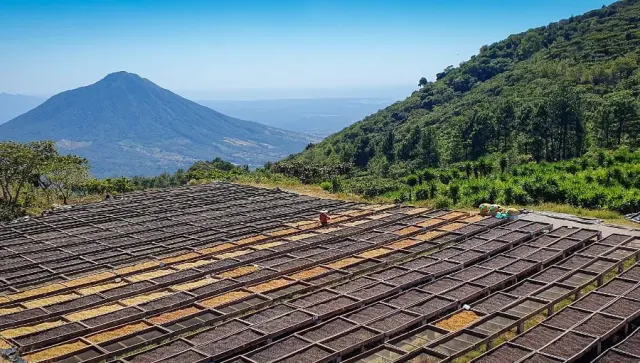
But the bigger draw is what surrounds the city. Ahuachapán sits at the western gateway to the Ruta de las Flores, the famous mountain route linking coffee towns like Concepción de Ataco — all murals, handicraft shops and cool air — and Apaneca, a higher-altitude spot for hiking and coffee fincas. Ataco and Apaneca are easily combined in a day. Closer to town, El Espino Lagoon offers a quiet slice of nature, though it's worth checking access conditions before you set out.
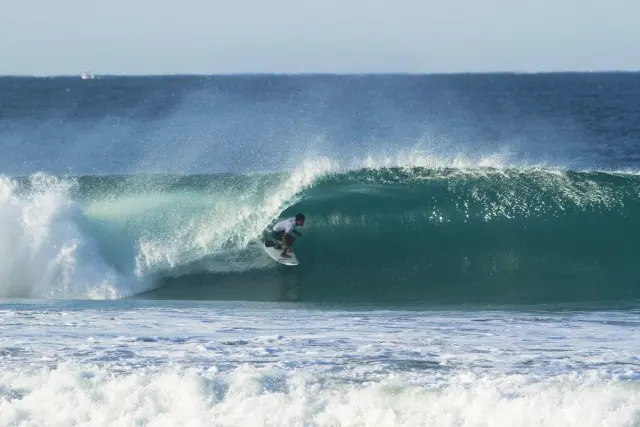
One planning note that trips people up: Ahuachapán is both a city and a department. Famous spots like El Imposible National Park and the Barra de Santiago coast belong to the wider department, not the town itself — but they're all within day-trip range if you have your own wheels.
Getting there is straightforward. From San Salvador, drive west through Santa Ana, or take a public bus — some routes involve a change, so confirm schedules locally. Once there, walking covers the centre, but a car or private transport makes the mountain towns, lagoons and geothermal sites far easier. November to April, the dry season, is when outdoor plans are safest.
For anyone building a western El Salvador itinerary around coffee country and colonial-era towns, Ahuachapán works both as a stop in its own right and as a cheaper, less touristy base than the Ruta's bigger names.