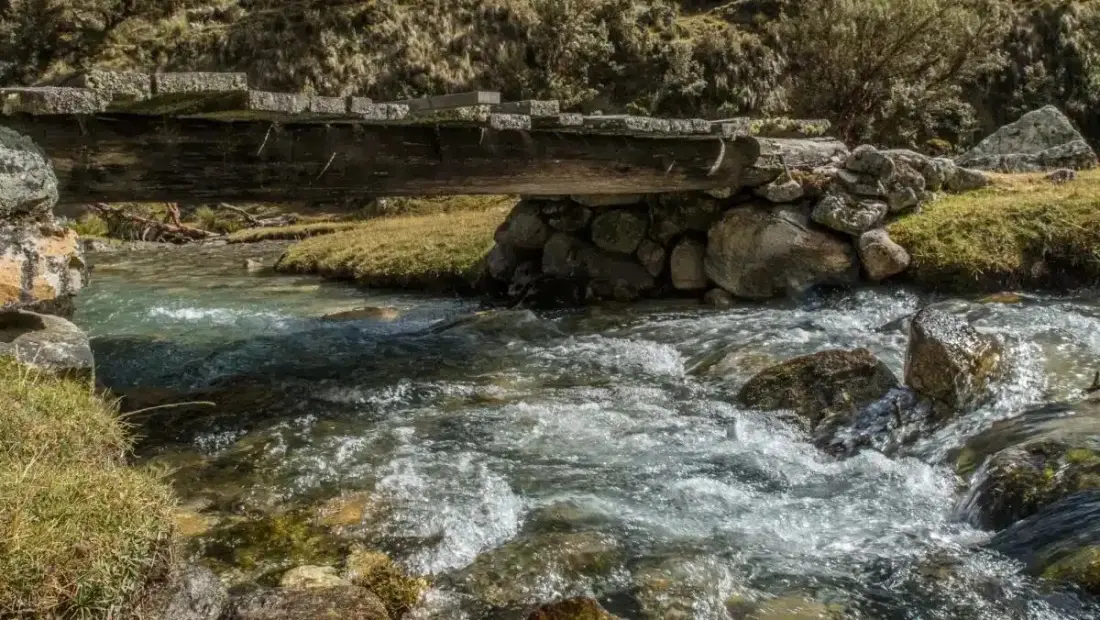
Environmental group ZERO has issued a blunt warning about the state of mainland Portugal's freshwater. According to the association, the planning documents now being drafted for the country's rivers and groundwater confirm that water quality has actually regressed across successive planning cycles — and that none of the environmental targets set for the current cycle will be met.
The warning concerns the fourth cycle of Portugal's River Basin Management Plans, which will run from 2028 to 2033. The Portuguese Environment Agency (APA) ran a public consultation on the so-called Significant Water Management Issues, wrapping it up on September 20. ZERO's submission pulls no punches: the state of the country's water bodies has gone backwards, and the paperwork for the next cycle doesn't yet tackle the core problem — making sure the same failures don't simply repeat.
The numbers are stark. ZERO points to a financial implementation rate of roughly 12% in 2022 and 2023, some 315 measures postponed, and just 58 recorded instances of measures actually carried out. The group blames weak investment, measures written too vaguely to enforce, a lack of commitment from the economic sectors involved, and no clear governance structure to hold anyone accountable.
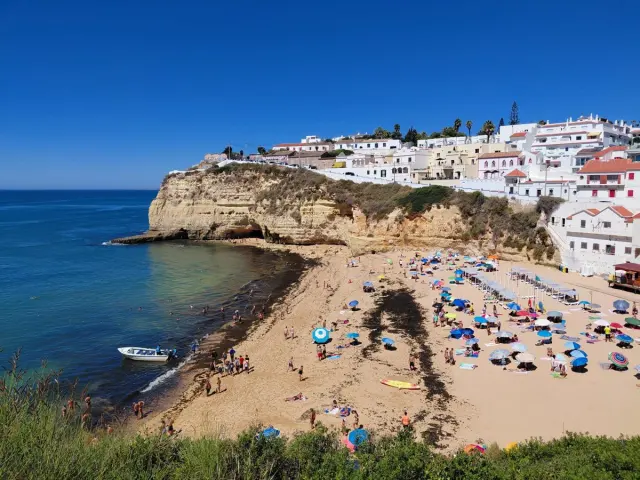
Why does this matter beyond the policy world? Because Portugal's water is central to its appeal. The Algarve has already faced drought restrictions in recent years, and strain on rivers and aquifers affects everything from reservoir levels to the greenery of inland regions travellers hike and cycle through. A country whose water plans keep slipping can't easily guarantee the conditions visitors expect — and pressure on freshwater tends to land hardest on tourism-heavy coastal zones in summer.
ZERO's demand is straightforward: the next cycle should be built on measures with measurable objectives, firm deadlines, secured funding and genuine monitoring. As the group puts it, admitting targets were missed isn't enough if nothing changes. Whether anyone in a position to act listens is, as the source itself notes dryly, another matter entirely — such warnings have a habit of going unread.
For travellers, it's worth keeping an eye on water advisories if you're heading to southern Portugal in the hotter months, and choosing operators and accommodation that treat water responsibly. The Algarve's beaches will still be glorious — but the infrastructure behind them is under real strain.