Anyone can romanticise a five-month hike. It takes a certain honesty to list what you're dreading — and a thru-hiker preparing to tackle the 2,190-mile Appalachian Trail southbound (starting in Maine, finishing in Georgia) has done exactly that in a frank pre-hike rundown.
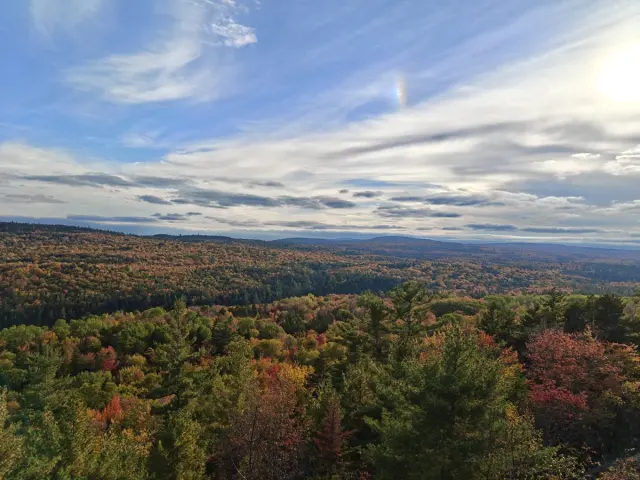
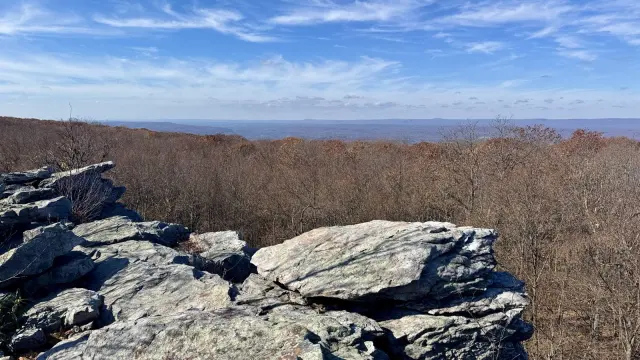
The big worry? Moisture. Coming from the dry American West, the writer knows East Coast humidity means waking up damp, packing a wet tent every morning, and essentially never feeling dry for five months. Then there's the AT's famous 'Green Tunnel' — a near-continuous forest canopy that blocks out the sweeping ridge views hikers get on western trails, raising a genuine mental-health question: can you stay motivated when the reward is mostly trees?
Ticks feature prominently, and for good reason. Lyme disease rates are rising in eastern ticks, and nightly full-body tick checks will become an unavoidable ritual. The trail itself is another concern: unlike graded western routes, the AT often climbs straight up fall lines over roots, mud and slick rock — brutal on joints, especially with a pre-existing back injury. Starting southbound makes it worse, because Maine throws some of the trail's steepest, most technical terrain at you in week one, with no gentle warm-up.
The social and practical dreads are just as relatable: snoring strangers in the trail's famous shelters (earplugs apparently fail this hiker), shrinking autumn daylight forcing night hiking to keep pace, the siren call of comfortable hostels and restaurant meals draining a fixed budget — the writer kept a Continental Divide Trail hike under $5,000 largely by skipping towns, and expects the AT to be far harder on the wallet. Oh, and five months without a vegetable; their last thru-hike reportedly ran on honey buns and, astonishingly, sticks of butter.
Why should a regular traveller care? Because the AT is one of the world's great walking routes, and you don't need to thru-hike it to meet these realities. Section hikers and weekenders hit the same humidity, mud, ticks and shelter snorers — just for a week instead of five months. The piece is essentially a free preview of what to prepare for: bug checks, quick-dry gear, a realistic town budget, and mental stamina for a trail whose rewards are subtle rather than scenic.
For anyone eyeing a long hike, the takeaway is oddly reassuring: even experienced long-distance hikers with thousands of miles behind them get pre-trail nerves, and they plan to walk through the fears and see which ones dissolve. That's a decent mindset for any ambitious trip.