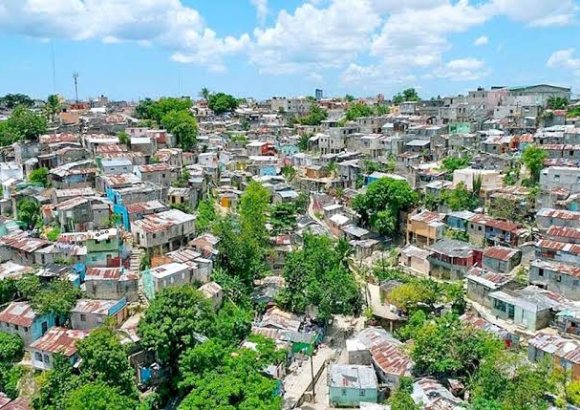
Santo Domingo is slowly reclaiming one of its most neglected assets: the Ozama River. The Dominican government has opened bidding for the La Zurza project, a plan to restore 650 linear metres of riverbank in the National District, running east from Máximo Gómez Avenue. Minister of the Presidency José Ignacio Paliza announced that technical and economic bids were being received, with the scheme set to create up to 45,000 square metres of green and public space for the communities that live along the water.
The idea is simple: give residents and visitors access to a cleaner river, shaded parks and walkable public areas in a part of the capital that has long turned its back on the water. For decades the Ozama has been associated with informal settlement, pollution and flood risk rather than recreation, so projects like this mark a genuine shift in how the city uses its waterfront.
La Zurza isn't the only piece of the puzzle. Paliza also toured the Las Lilas sector in Santo Domingo Este, across the river, where a separate restoration project is moving ahead of expectations. Its first phase — roughly 16,000 square metres and a 332-metre stretch of riverfront — is about 30% complete overall, with parks and public spaces already at 65% and road infrastructure at 40%. Sports facilities are the slowest piece at 15%, and demolition of the 56 homes included in this phase has finished. Authorities expect to inaugurate the phase before February 2027, and a second phase covering another 18,179 square metres of parks, sports and recreational space is in the study stage.
For travellers, the payoff is a different way to experience the Dominican capital beyond the Colonial Zone and the Malecón. Once these stretches open, you'll be able to pair the historic old town with riverside parks and sports grounds that locals actually use — a more everyday, less postcard version of Santo Domingo. The timeline matters: Las Lilas' first phase should be walkable by early 2027, while La Zurza is still at the bidding stage, so treat it as a reason to keep the capital on your radar for a return trip rather than a booking incentive for next month.
The wider takeaway for visitors is that Santo Domingo is investing in public space at a scale that will change how the city feels on the ground — greener, more walkable and less divided from its river. If you're planning a trip in the next couple of years, the Colonial Zone remains the anchor, but it's worth checking which riverfront sections have opened before you go.