A wave of demonstrations is rolling across Europe, and it is affecting cities many travellers have on their autumn and winter lists. From France and Italy to Spain, Portugal and Albania, weeks of unrest over housing costs, fuel prices and strained public services have produced arrests, arson and disrupted city centres.
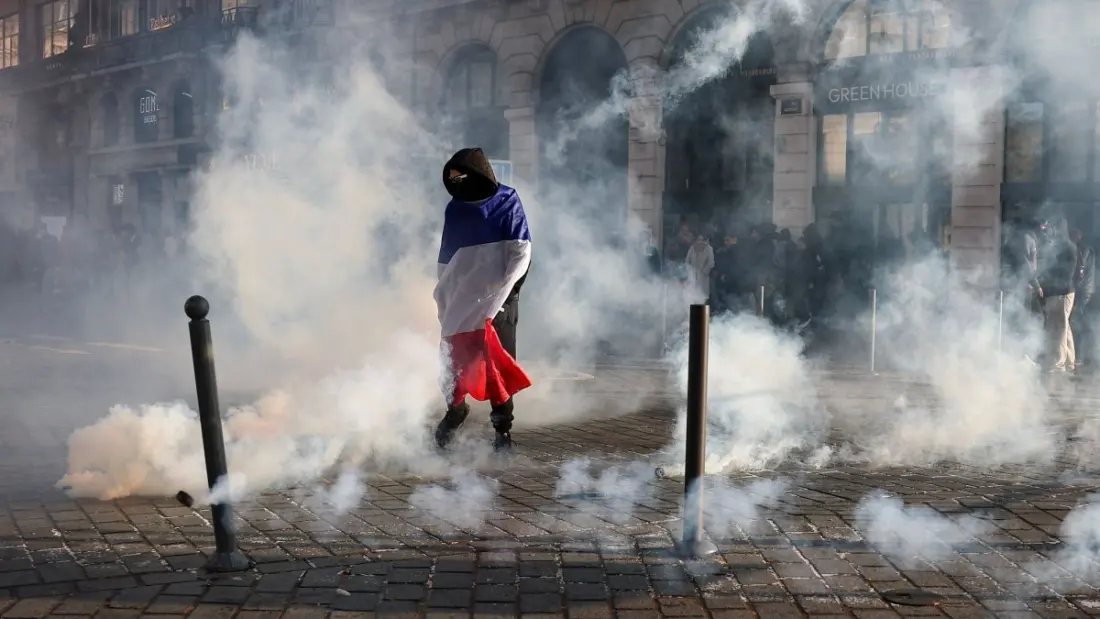
France is the epicentre. Student-led protests over under-resourced schools broadened into a wider movement about living costs after the CGT union joined in. Despite mostly peaceful marches, a violent weekend saw looting in Paris, Marseille, Lyon and Bordeaux, some 2,400 arrests and hundreds injured. In Limoges, the 19th-century City Hall was engulfed by flames. President Emmanuel Macron condemned the violence in a rare televised address, accusing far-left activists of trying to destabilise the Republic.
Spain's unrest is quieter but persistent. Teachers in Madrid began an indefinite strike over pay, while tent camps protesting unaffordable housing have occupied Puerta del Sol for weeks — sparked by the eviction of an 87-year-old woman who later died. The maths behind the anger: the minimum wage is about €1,221 a month, while an 80-square-metre apartment rents for roughly €1,130. Prime Minister Pedro Sánchez has called an early election for November, and the country's first general strike in 14 years is also planned for that month. Similar camps have appeared in Barcelona, Lisbon and Porto.
In Italy, the "Italia in Piazza" movement has drawn thousands demanding better wages, healthcare and housing, with inflation at 4.2% in September — above the eurozone average. Riots in Turin, Bologna and Milan left stores looted and police clashing with masked protesters; Milan reported 271 arrests, most of them minors. A new group, the "Oct. 17 Movement", has pledged to demonstrate every Saturday at 3 p.m. in cities across the country.
Further afield, anti-government protests in Albania's capital Tirana have run for over a week, with students joining the "Flamingo" movement calling for Prime Minister Edi Rama to resign over corruption — a name borrowed from a lagoon where a luxury development tied to Jared Kushner is planned. In Serbia, student-led anti-corruption protests are heading toward a tense parliamentary vote on October 25.
For travellers, the practical picture: none of this targets tourists, but it can affect your trip. Expect possible transport strikes in Spain and Italy, particularly around the November general strike in Spain and Saturday demonstrations in Italian cities. Avoid large gatherings and downtown flashpoints like Puerta del Sol or major Paris squares when marches are scheduled, keep an eye on local news, and build some slack into rail and airport connections on strike days. City-centre accommodation near protest sites may be noisy or inaccessible on demonstration days. Travellers already booked to France, Spain or Italy this autumn should register with their embassy's travel-alert system and check their insurance covers disruption from civil unrest — some policies exclude it.
The mood is unlikely to clear before the November elections in Spain and the French movement finds a resolution, so anyone planning a European city break in the coming weeks should keep plans flexible and check advisories shortly before departure.