A roundup of recent animal encounters worldwide shows the same pattern: it is usually locals, not visitors, who face the sharpest risks from wildlife. Still, the incidents carry useful lessons for anyone heading outdoors.
In eastern France, a normally shy mountain ungulate — likely a chamois — has attacked joggers on the outskirts of Besançon. One 30-year-old runner, Milena, was knocked out cold just a few hundred metres from the city edge near La Chapelle des Buis, waking up with a punctured shoulder and a scalp that needed stitches and staples. She never heard the animal coming. Another runner had been hit days earlier, and wildlife authorities have authorised the animal's removal, though the reason for its aggression remains unclear.
In Florida, 71-year-old Steven Hamilton of Winter Garden died after pausing to photograph a fish by a pond. An alligator lunged from the water, took hold of his leg and dragged him in. Emergency crews couldn't get the animal to release him until it was killed; the medical examiner listed drowning and blunt-force leg injury as the causes of death. Attacks remain rare — Florida wildlife officials count 500 alligator bites since 1948, of which 32 were fatal.
In Russia's Far East, fisherman Vladimir Odulo survived an Asiatic black bear attack in Primorye by fighting back with his fishing rod after being knocked into the water. He said the bear 'beat his face like a boxer' before suddenly breaking off and vanishing into the forest. He lost several wounds and an eye injury but doctors in Vladivostok saved his sight.
Two fatalities in India's Himachal Pradesh point to a shifting map of snake risk. A Caspian cobra — native to Central Asia and normally found on rocky ground above 2,000m — killed a 40-year-old orchard worker who stepped on it in open sandals, and later a 62-year-old man who collapsed within half an hour of a bite. The species has spread eastward into the region, and researchers suspect it's now reaching lower elevations too.
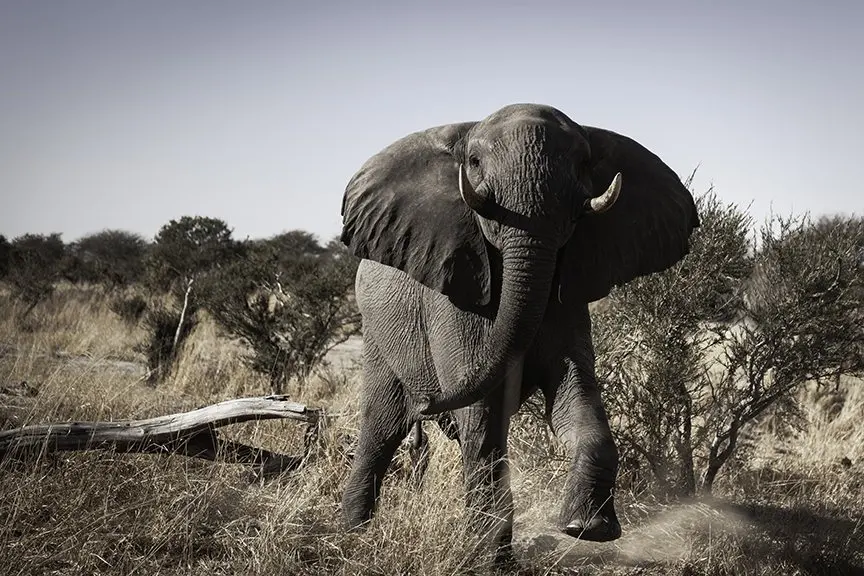
Finally, in northern Kenya, two herders died in separate elephant incidents within days of each other: a 41-year-old attacked by a lone bull while herding goats near Nguposorogin village, and a 64-year-old trampled by a herd near Benane. Families in the area qualify for compensation under a conservation scheme.
For travellers, the common thread is situational awareness rather than panic. Don't assume familiar trails near towns are risk-free, as the Besançon case shows; keep distance from water at dawn and dusk in alligator country; carry a rod or stick as a barrier in bear territory and make noise on the trail; wear closed footwear in snake habitat and get to hospital fast for any bite — delay proved fatal in Himachal Pradesh. Most of all, remember that people who work alongside wildlife daily bear the brunt of these encounters, and responsible travel means respecting the buffer zones where animals live.