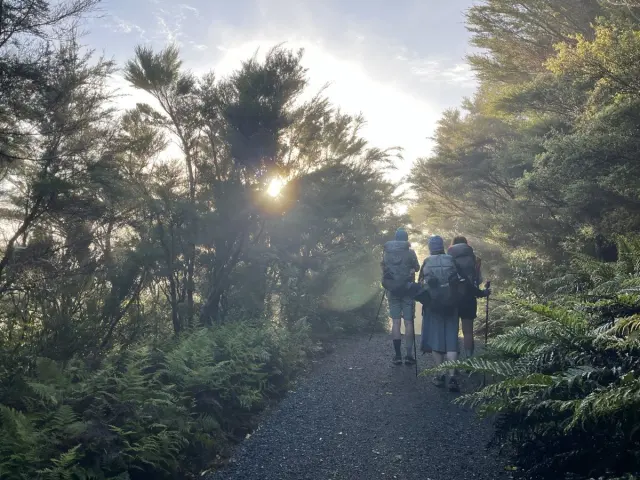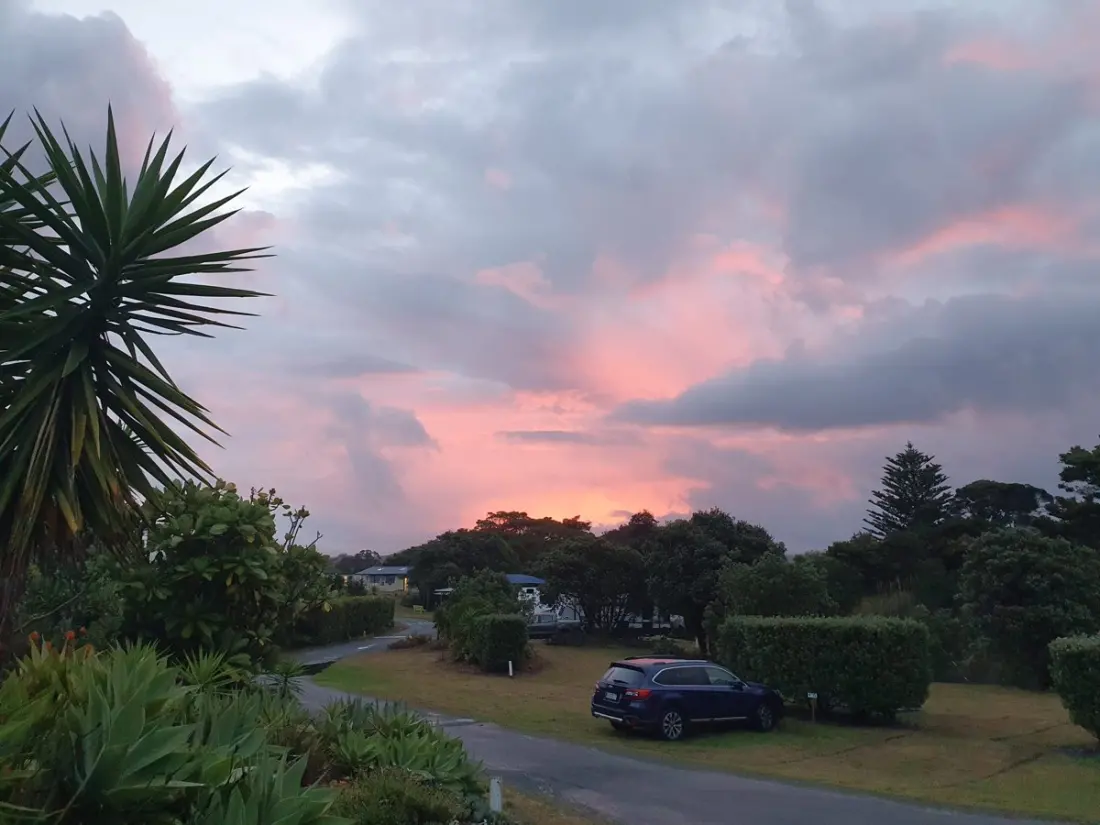
Day 19 of a Te Araroa thru-hike was supposed to be a short 4km hop down the trail to Uretiti Beach. Instead, it turned into an unplanned zero — hiker slang for a rest day with no walking at all — spent holed up at Ruakākā Motor Camp on New Zealand's North Island, and it's a useful case study for anyone dreaming of a long-distance trek.
The morning brought howling wind strong enough to shake the writer's tent, with a forecast promising even heavier rain than the previous day. The original plan was to push on anyway, but that changed fast when fellow hikers revealed the destination campsite had been forced to close — because of an ant infestation. With nowhere to walk to, the decision made itself: stay put, renew the campsite booking, and wait out the weather. Reception even offered a more sheltered pitch, a small courtesy worth remembering when you're camping through a New Zealand storm.
By 9am, three other hikers who had been agonising over whether to walk in the rain were talked into staying too. The forecast soon delivered torrential downpours and gale-force gusts, and the kitchen crew spent the day eating snacks, writing blogs and quietly feeling relieved — with a dash of guilt about friends who had headed out into it.
The day also produced a few lessons every long-distance walker should file away. Ants, it turns out, are the real food thieves on this stretch of trail — one hiker pulled gummy bears from her bag to find them swarming, and the lesson learned was to seal everything in a dry bag overnight rather than trust a tent vestibule. Then there was Henry, a hiker who rose in the middle of the night to catch the 8am water taxi from Marsden Point and walked through wind and rain all day, fuelled by little more than ramen and porridge. And a fast-moving trio gave a glimpse of the other end of the spectrum: 30-40km days, wild camping to save money, and rigid time-and-budget pressures. The takeaway the writer landed on is the one that matters: hike your own hike. If your goal is enjoyment rather than speed, a day of rest, unlimited power and drying-out time is not a failure — it's maintenance. Heels blistered by wet socks healed, five blog posts got written, and by evening the urge to walk had returned.
For travellers, this is a snapshot of what thru-hiking Te Araroa actually looks like day to day: cheap motor camps with kitchens and WiFi, water taxis connecting coastal sections, weather that can upend plans without warning, and a trail community quick to share intel about closures and camp conditions. Whether you're planning the full 3,000km route or just walking the Northland sections, build flexibility into your schedule so a storm day doesn't break your budget or your morale.
Story via The Trek.