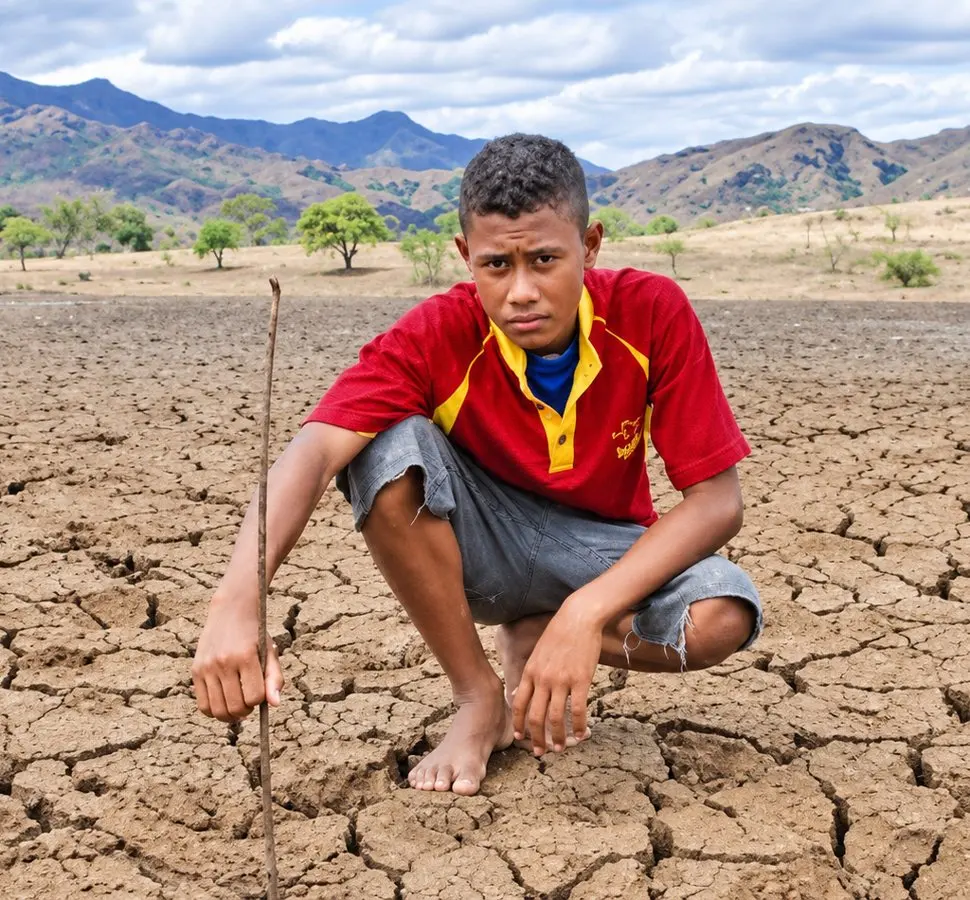
Fiji has formally declared a State of National Disaster as a prolonged El Niño-driven drought dries up water catchments across the country. Prime Minister Sitiveni Rabuka announced the emergency in a national broadcast, revealing that the government has already moved more than two million litres of emergency water to affected maritime communities in the past month, with mainland communities also receiving supplies.
The declaration unlocks FJ$20 million in funding, redirected from within existing ministry budgets. The money covers emergency water deliveries, direct support to hit communities, and help for farmers and livestock owners dealing with the prolonged dry spell.
Rabuka also laid out a six-point plan for the agriculture sector, which takes the brunt of drought damage: emergency water and irrigation, livestock feed, climate-resilient seeds and planting materials, drought protection for the sugar industry, household and community food security measures, and a push toward more sustainable farming practices. Separately, public transport allowances for elderly and vulnerable residents have been increased, reflecting rising transport costs as supplies are carted further afield.
The announcement comes with some awkward history. Two weeks before declaring the emergency, Rabuka had responded to journalists outside Parliament with the question "are people dying?" — a comment that drew attention given the mounting water crisis. The formal declaration suggests the government now treats the situation as serious enough to warrant national-level intervention.
For travellers, the practical picture matters more than the politics. Fiji's outer islands and some mainland areas are currently relying on delivered water, and water rationing or pressure cuts can occur in affected areas, including at accommodation outside major resorts. Larger hotels in places like Denarau and the Coral Coast typically have their own water storage and treatment, but smaller guesthouses, village homestays and remote island resorts are more exposed. If you have a trip booked in the coming weeks, it's worth checking directly with your accommodation about water supply, packing extra drinking water for day trips to outer islands, and being conservative with usage — short showers and reused towels are genuinely helpful right now.
The situation is also a reminder of how unevenly El Niño hits the Pacific: while some parts of Fiji are parched, other Pacific nations face the opposite problem of heightened cyclone risk during the same pattern. Weather disruption is likely to be the norm across the region this season, so flexible bookings and travel insurance that covers weather-related changes are sensible purchases.
None of this means cancelling Fiji plans outright — tourism is a pillar of the Fijian economy, and travel continues during the response. But it does mean going in informed: ask questions before you book remote stays, follow local advisories while there, and expect some patience-worthy logistics in the outer islands while tanker deliveries keep communities supplied.
Story first reported by Islands Business.