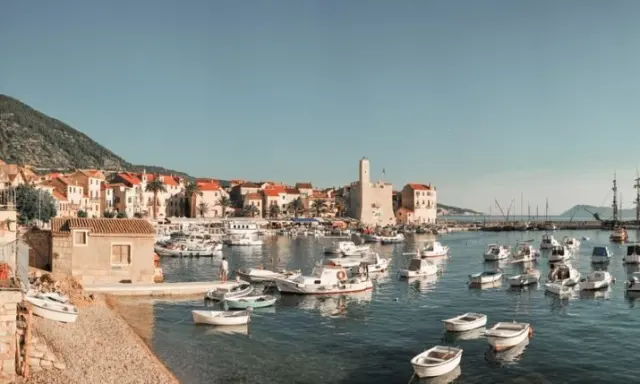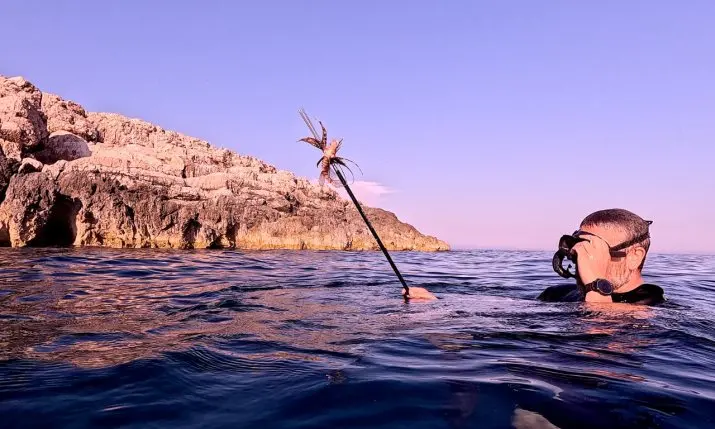
The striking striped lionfish, a venomous invader that slipped into the Mediterranean from the Red Sea via the Suez Canal, is now a recurring sight off Croatia's coast. The first confirmed sighting came in August 2021 near Cape Stupišće, close to Komiža on the island of Vis. Since then the species has picked up speed: the Institute of Oceanography and Fisheries logged 122 confirmed sightings between June 2024 and January 2025 alone.
Recent research has found eggs in some female lionfish, suggesting the species may be reproducing in the Adriatic, though successful breeding hasn't been confirmed yet. Marine conservation expert Danijel Kanski, speaking to environmental organisation Sunce, thinks the fish could be becoming a permanent fixture in parts of the sea.
Why the spread? Warming water is making conditions friendlier for a species that also happens to reproduce prolifically, eats almost anything (fish and crustaceans), has larvae that travel far on currents, and carries venomous spines that deter predators. In other parts of the Mediterranean and the western Atlantic, lionfish have done real damage to native fish communities — though experts caution more research is needed to know what's happening in the Adriatic specifically.
Full eradication isn't realistic in an open sea, so the strategy is targeted removal in sensitive areas plus constant monitoring. A recent example: during routine surveys on the Pakleni Islands near Hvar, public institution More i krš spotted several lionfish and organised a removal operation with the Hippocampus Association. A separate IUCN-backed project, Strengthening National Capacity for Lionfish Control, is uniting divers, spearfishers, scientists and protected-area managers — one spearfisher, Mario Rumek, has caught over 140 lionfish since the start of 2026.
There's a culinary twist too: lionfish are good eating, and encouraging restaurants and spearfishing competitions to take them could help. Care is required with the spines during handling and preparation.
For travellers, this matters if you snorkel or dive along the Dalmatian coast. If you spot a lionfish, note the exact location, date, depth and number of fish, grab a photo or video if you can, and report it to protected-area authorities or via the iNaturalist app. Sightings in new locations or repeated sightings at the same spot are especially useful. Don't touch the fish — the spines are venomous.
Kanski frames the lionfish as a symptom of bigger changes: warming seas, new arrivals, fishing pressure and habitat shifts are all reshaping the Adriatic. For visitors who love this coastline, keeping an eye out — and reporting what they see — is a small but genuinely useful way to help.