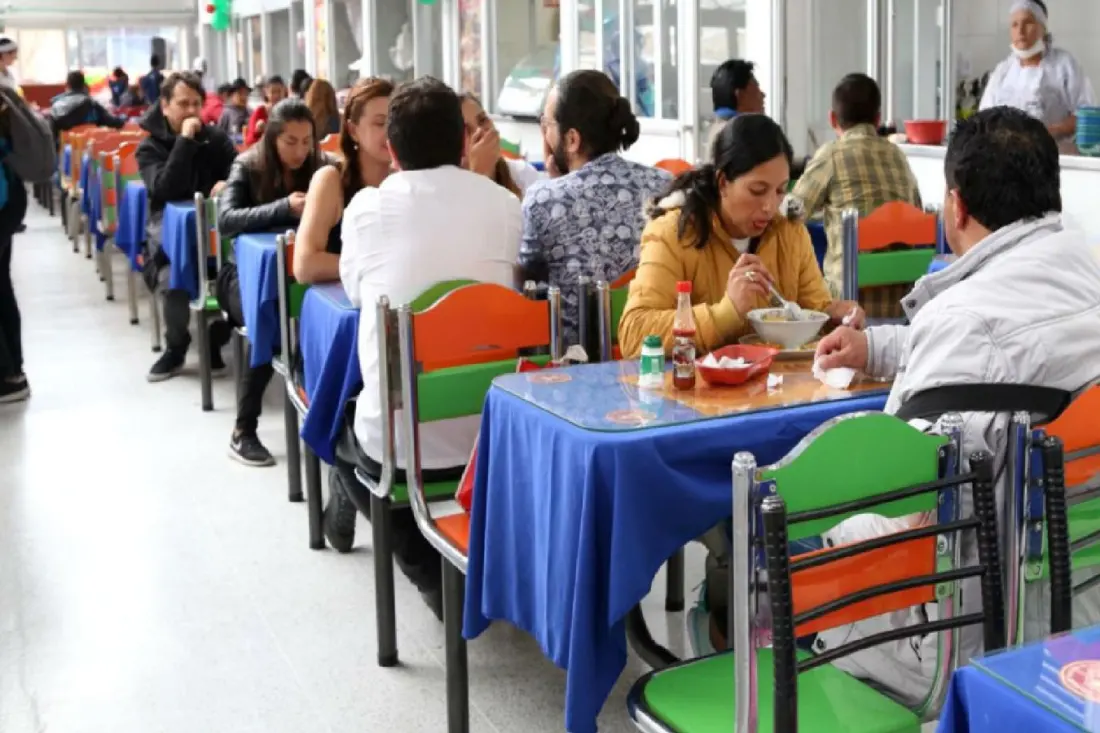
Eating out and sleeping in Colombia just got noticeably pricier. The country's statistics agency DANE reported on 9 November that October inflation reached 6.3% annually, and the fastest-rising category was the one travellers feel most directly: restaurants and hotels, up 9.39% year on year. Education (7.44%), health (7.37%) and food and non-alcoholic drinks (7.31%) rounded out the steepest climbs.
Month to month, the Consumer Price Index rose just 0.20% versus September, but that calm headline hides sharper swings in specific items. Potatoes jumped 8.25% in a single month and plantains 6.09%, while eggs rose 3.10%. Imputed and actual rents also ticked up around 0.3%, and electricity and gas climbed too. Not everything went the wrong way: onions fell 6.89%, fresh fruit dropped 1.09%, and — good news for anyone booking a trip — passenger air transport fell 2.91%, one of the biggest negative contributions to the index. Complete tour packages rose 2.16% in the month, though.
The report also shows inflation isn't shared equally. Vulnerable households faced annual inflation of 6.39% and poor households 6.34%, while high-income households saw only 6.20%. The monthly gap was starker still: prices rose 0.30% for poor households in October, two and a half times the 0.12% increase recorded among the wealthiest. Over the first ten months of 2026, cumulative inflation stands at 5.94% nationally.
For visitors, the takeaway is simple: Colombia remains one of South America's better-value destinations, but the places where you'll spend most — hotels, restaurants, food — are exactly where prices are climbing fastest. Domestic flights getting cheaper is a rare bright spot for anyone planning to hop between Medellín, Cartagena and beyond. Expect the effect to be modest in peso terms rather than dramatic, and daily costs for a mid-range traveller to stay reasonable by international standards.