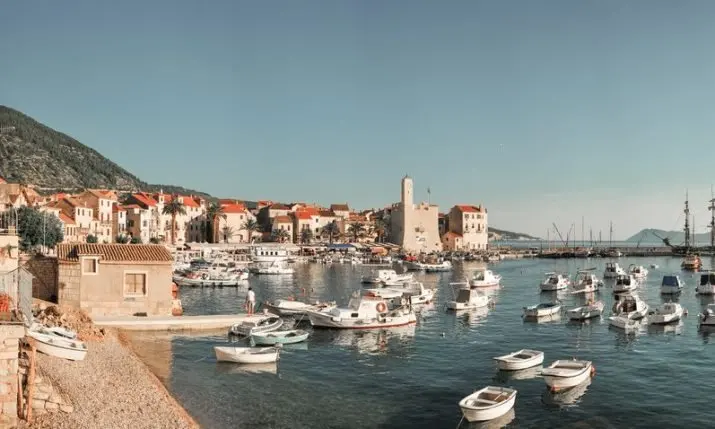
Croatia has kicked off Habitability, a new assessment method designed to capture how liveable island communities actually are — and it's the first Mediterranean country to put it into practice.
The launch followed a three-day training course in early November, where nine residents from Vis and Brač qualified as local Habitability trainers. Backed by the Socialists and Democrats Group in the European Parliament and the office of Croatian MEP Tonino Picula, the project aims to give islands hard data to argue for policies built around their realities, not mainland assumptions.
So what does Habitability measure? Rather than just tallying kilometres from the mainland or relying on standard statistics, it works through 45 indicators across seven areas: healthcare access, transport links, water supply, jobs, infrastructure, seasonal population swings and everyday services. The thinking is refreshingly practical. On an island, distance isn't just geography — miss a ferry and you might lose a working day, pay for an unexpected hotel night or push back a medical appointment. The method also asks how much money stays in the local economy and whether children, families and older residents all get fair access to essentials.
The training was led by Habitability founder Christian Pleijel, Finnish expert Erika Englund, Professor Nenad Starc of Anatomija otoka and Ivan Matić of Pokret otoka, who also serves as Mediterranean vice-president of the European Small Islands Federation. Next, the newly minted trainers will compile reports for Vis and for the city of Supetar on Brač, with results going to local mayors to inform planning and push for island-aware policies at national and EU level. Lessons from Croatia will feed back into the methodology itself, with a future handbook edition tailored to Mediterranean conditions.
The numbers behind the push are striking. OECD research suggests Croatian island local governments spend roughly 29% more per resident than comparable mainland communities, even after adjusting for geography and demographics. Picula also stressed how vulnerable peripheral communities are during crises, citing what Lampedusa, Tilos and Lesbos went through during the migration crisis.
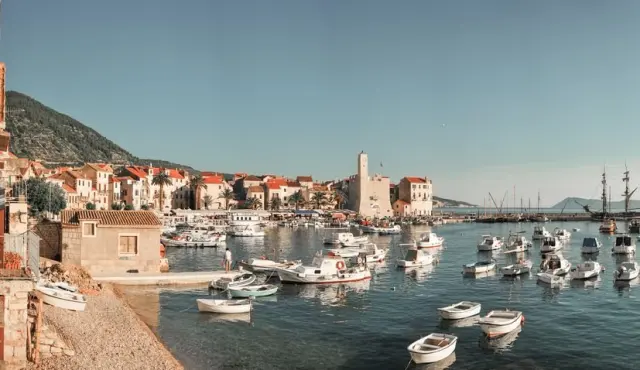
Water is a live issue on Vis, too. The island depends almost entirely on its own sources and isn't connected to the regional network, and the mayors of Vis and Komiža have raised concerns that proposed water services reforms could dilute local control and expertise. Other topics on the table included a new fire station funded through the Integrated Territorial Programme and protecting the traditional Vis and Komiža pogača.
Why should travellers care? Because the quality of ferries, water, healthcare and year-round services on an island directly shapes a trip — whether you can visit outside peak season, how reliable connections are, and whether the place keeps its life beyond the summer rush. Supports like this one are aimed at keeping Croatian islands functioning communities, not seasonal backdrops, which ultimately makes for better, more authentic visits any time of year.