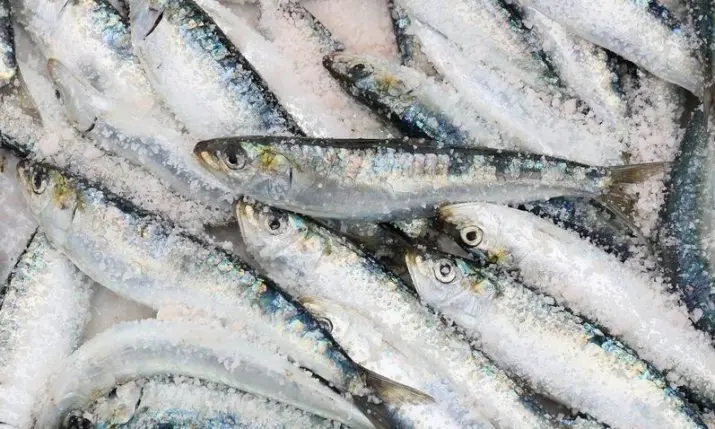
Sardines, the staple of every seaside grill on the Croatian coast, are in trouble. Stocks in the Adriatic have dropped so low that fisheries authorities say the fish can no longer recover on its own — and they are acting before things get worse.
In early September, Croatia slashed the number of permitted sardine fishing days along the western coast of Istria from 20 down to just five. Ante Mišura, director of the Fisheries Administration, said the stock has fallen below the threshold where it can bounce back naturally without human intervention. The point, he stressed, is to avoid a worst-case scenario: a full collapse that would force an emergency fishing ban.
Stronger options are already on the table. Officials are weighing a complete temporary sardine fishing ban of one or two years, or a sharply reduced quota. Under the most restrictive scenario being discussed, the total Adriatic quota could drop to around 14,000 tonnes. Authorities say they are trying to balance conservation with the livelihoods of fishermen who depend on the catch.
The story matters well beyond Croatia. The Adriatic is a shared sea, and fleets from several countries work its waters, so any long-term restrictions would ripple across the region's fishing industry and seafood markets. For visitors, the practical impact is subtler for now — the current measures target conservation rather than restaurant menus — but if stocks keep falling, availability and prices of fresh sardines could eventually change what ends up on your plate in Istria or Dalmatia.
Why should holidaymakers care? Grilled sardines are as much a part of a Croatian coastal summer as pebble beaches and konoba taverns. A species under this much pressure is a reminder that the seafood on offer along the Adriatic is not guaranteed, and that regional fishing practices are in flux. If you're travelling to Croatia in the coming seasons, expect conversations about sardines to continue — and possibly lean into the local anchovies, mussels and other Adriatic staples while the little silver fish get a chance to recover. It's also a good moment to support restaurants that source responsibly, since the health of the fishery shapes the coastal economy travellers come to enjoy.