Tuesday was a rough morning for air traffic across Europe, with at least seven flights receiving bomb threats within hours of each other. None of the threats turned out to be real, but the ripple effects — diversions, airport closures and hours-long delays — are exactly the kind of disruption travellers should know how to handle.
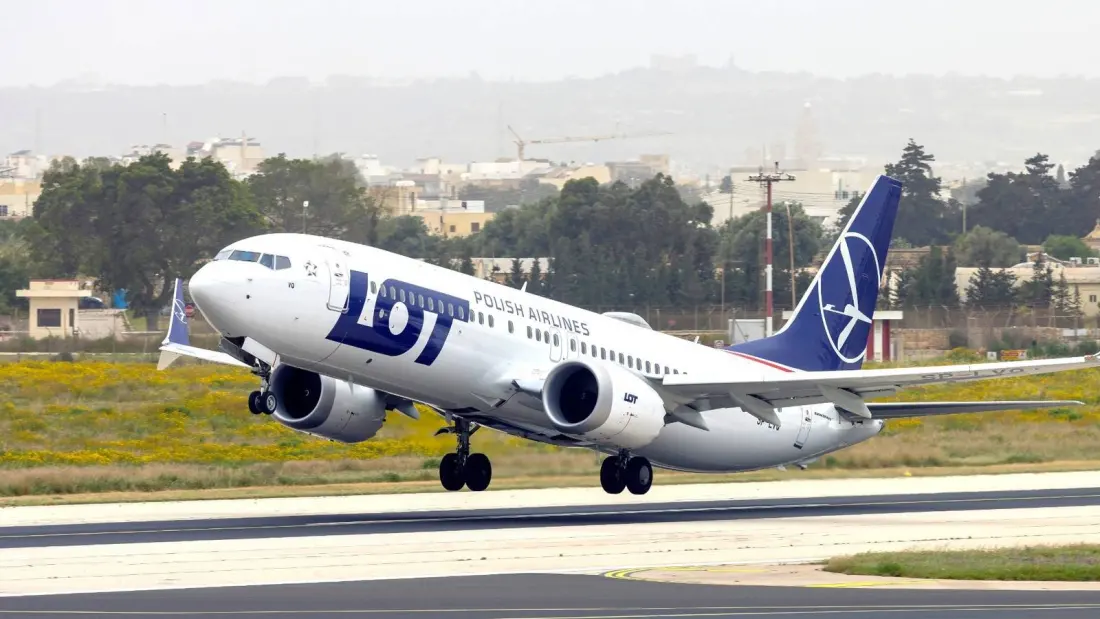
The trouble started one day after a Wizz Air flight from London Luton to Sofia had to divert to Budapest on Monday. By Tuesday, threats were landing on multiple routes at once. Two flights bound for Warsaw Chopin were affected. A LOT Polish Airlines service from London Heathrow, carrying 181 people, diverted to the smaller Warsaw Modlin airport, which briefly paused operations while security teams swept the aircraft. Only one Ryanair departure from Modlin, heading to Tenerife, was noticeably delayed — about an hour — but the closure of a whole airport, even a small one, shows how far a single threat can reach. A SAS flight from Copenhagen to Warsaw, SK751, also received a threat and landed safely; the airline said it was following established security procedures with Warsaw police leading the response.
Ryanair had the worst of it, with three aircraft targeted. A Manchester to Murcia flight landed 24 minutes early but was then grounded for searches, forcing the airline to ferry a replacement plane in from Alicante and pushing the return leg to Manchester back by roughly 3.5 hours. Two more flights — from Lisbon and Dublin into Rome Fiumicino — were searched after anonymous tips, and the Dublin service was escorted by military aircraft. Both searches found nothing.
The picture in Bulgaria was murkier. Early reports suggested a threat against an El Al flight from Tel Aviv that landed in Sofia, but later reporting clarified that the aircraft was never actually threatened. The two genuinely threatened Sofia-bound services came from Bergamo and Dublin, lifting the day's total to seven. Searches again came up empty.
What does this mean if you're flying? First, these hoaxes are almost always just that — frightening mid-flight announcements but no physical danger, and crews follow well-rehearsed procedures. Second, the real cost is time and logistics: expect diversions to alternate airports, long waits on the tarmac while aircraft are checked, missed connections and knock-on delays as airlines scramble replacement aircraft. That Ryanair Murcia turnaround — a ferry flight from another country to cover one grounded jet — is a good illustration of how one hoax can disrupt an entire day's schedule. If you're travelling on an affected route, keep an eye on your airline's app for rebooking options, know your passenger rights regarding compensation for long delays, and don't count on tight connections when there's security activity in the news. Rarer than the threats themselves is seeing so many coordinated in a single day, which suggests travellers across Europe may see sporadic disruption for a while yet.
Simple Flying