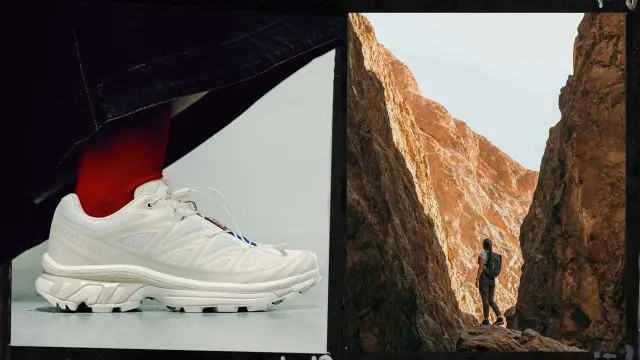
Rolled ankles can end a hiking trip fast, and trail runners — light, flexible, and everywhere these days — don't do much to stop them. That's the case Outside Online and its sibling site Backpacker make in a new gear guide that sent 15 testers out with more than 45 pairs of boots, from day hikes to 30-mile backpacking trips, racking up over 700 miles across terrain ranging from coastal British Columbia to New England's windy peaks. Their verdict: for hikers with wobbly ankles, a proper mid-cut boot is still the smartest choice, especially on rough ground or when carrying a heavy pack.
The seven winners cover a range of budgets and uses. The La Sportiva Aequilibrium Hike GTX ($279) took best all-around — a three-season alpine boot with a cushioned PU midsole and reinforced toe and heel that survived 100-plus rough miles looking nearly new. Budget hikers get pointed to the Keen Targhee IV ($190), an old-school leather mid-cut with excellent waterproofing and a lifetime guarantee against sole delamination, though it needs some break-in and runs heavy.
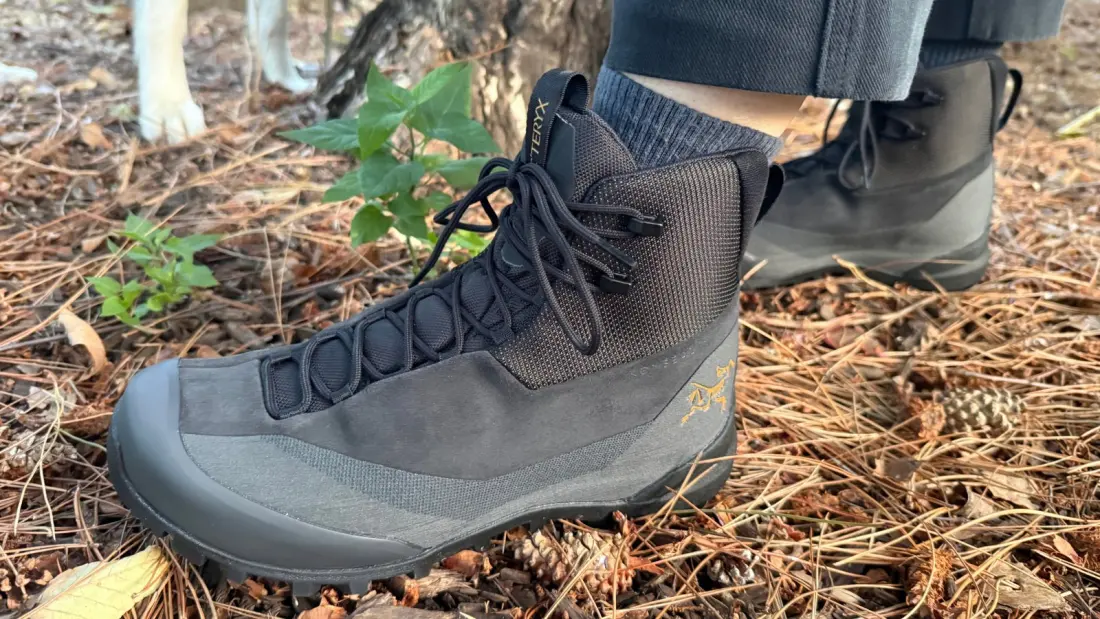
At the lighter end, the Arc'teryx Kopec Mid GTX ($140, the most versatile pick) weighs just 12 ounces in men's — a big deal when the testers note that a pound on your foot costs as much energy as three in your pack. For heavy loads, the Danner N45 Mid GTX ($250) pairs nitrogen-infused foam with a rock plate. The North Face Offtrail Hike LT Mid GTX ($220) earned the backpacking slot, described as offering old-school support without the old-school break-in period, though it runs warm. And for serious mountain work, the Meindl Air Revolution Alpine 4.1 ($420) is a burly, stiff-soled option for above treeline — surprisingly comfortable out of the box and impressively breathable for its class. The Arc'teryx Konseal Trek ($280) rounds things out with Kevlar-reinforced ankle cuffs and a carbon fiber shank for talus slopes.
Beyond the shortlist, the guide offers genuinely useful buying advice. Cuff stiffness should match your plans: softer support suits long days on smooth trail, stiffer uppers protect on steep, loose climbs — and the padding should cradle your ankle, not squeeze it. Midsole material matters too: EVA feels bouncier and more shoe-like, PU is stiffer and more supportive but heavier, and a shank adds stability without killing flex. Outsole rubber is a trade-off, with softer compounds gripping hard surfaces better while wearing out faster.
For anyone who's ever turned an ankle on a loose rock three miles from the trailhead, this is practical, well-tested guidance. The picks span $140 to $420 and most come in men's and women's fits with wide sizing available on some models, so there's an option whether you're doing day hikes, thru-hikes, or gear-hauling family trips. If you're shopping for your next pair, this guide is worth a read before you buy.