
True remoteness still exists — it just takes effort to reach it. A new roundup of the planet's most isolated destinations spans every continent except perhaps your expectations: French islands with no permanent residents, a Canadian park 500 miles from the North Pole, and a Pacific community of fewer than 50 people. Here's what makes each one worth the slog.
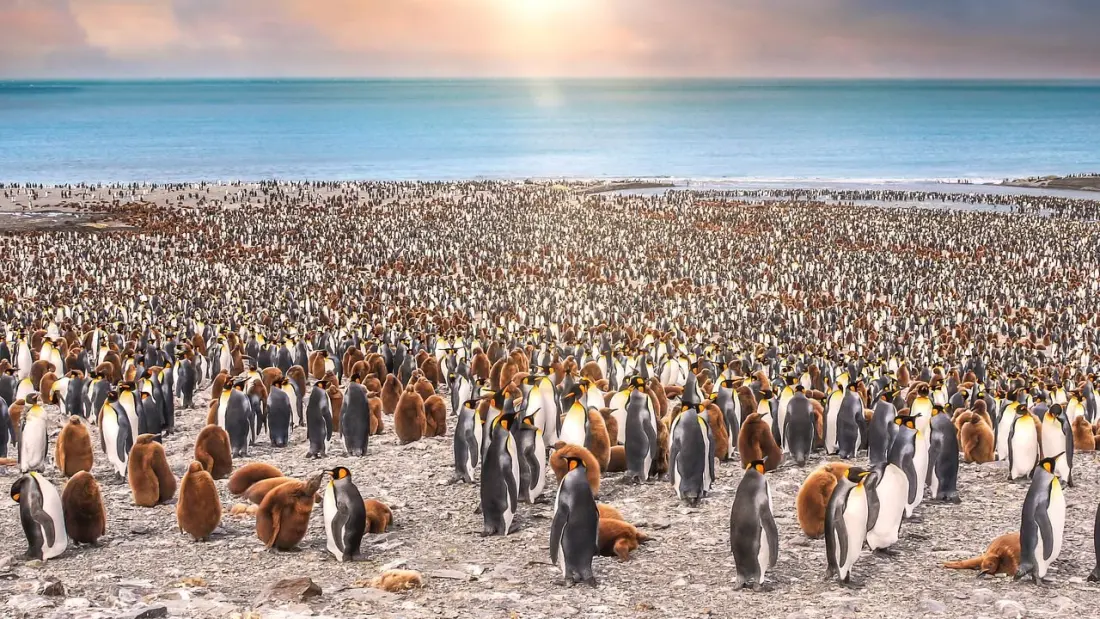
The Kerguelen Islands — the "Desolation Islands" — sit roughly 1,865 miles from Madagascar in the southern Indian Ocean. Volcanic cliffs, storm-battered seas, thousands of king penguins and elephant seals, and no hotels at all. The only way in is the French supply ship Marion Dufresne II, which sails from Réunion a few times a year on a six-day voyage.
Quttinirpaaq National Park in Canada — Inuktitut for "top of the world" — occupies the northern tip of Ellesmere Island, barely 500 miles from the North Pole. Glaciers, polar desert, muskoxen, Arctic wolves, and a summer sun that refuses to set. You'll need to fly to Resolute Bay in Nunavut, then charter a plane to Tanquary Fiord, which is only open in summer.
Greenland's Ittoqqortoormiit, a settlement of about 450 people on the edge of Scoresby Sound (the world's largest fjord system), still lives by the seasons: hunting, fishing, sled dogs, and a winter sea ice that cuts the town off entirely. Helicopters connect it to Nerlerit Inaat Airport, which itself is served by small planes from Reykjavik.
Longyearbyen in Norway's Svalbard archipelago is the remote destination with training wheels — daily flights from Oslo and Tromsø, plus cafés, a craft brewery, and a fine-dining restaurant. Reindeer wander the outskirts, the Global Seed Vault sits in a frozen hillside, and winter means months without sunrise.
South Georgia in the South Atlantic swaps whaling history for wildlife: over half a million king penguins, elephant seals everywhere, rusting whaling stations, and Ernest Shackleton's grave at Grytviken. There's no airport — you arrive by expedition ship, typically from Ushuaia, Argentina. Conservation work is now undoing decades of ecological damage, including removing reindeer the whalers introduced.
McMurdo Station on Ross Island is Antarctica's largest research base, hosting around 1,000 people each summer. You can't stay there, but Ross Sea expedition cruises from New Zealand or Australia sometimes land nearby, putting you at the launch point of Scott and Shackleton's legendary journeys.
The Pitcairn Islands, home to just under 50 descendants of the HMS Bounty mutineers who settled there in 1790, require flying to Tahiti, then Mangareva in French Polynesia, then a 32-hour supply ship crossing — a few times a year. Closer to civilisation but still far out: Changthang in Ladakh, a high-altitude desert on the Tibetan Plateau where Changpa herders graze yaks near saltwater lakes Tso Moriri and Pangong Tso, and snow leopards, black-necked cranes and wild asses roam.
Why it matters: these trips reward patience — supply ships, charter flights, narrow seasons — but deliver something almost extinct: genuine silence, dark skies, and destinations that don't feel curated for tourists. For travellers who want the journey to be the achievement, this is the shortlist.