On O‘ahu's North Shore, the tide pools at Kapo‘o — better known to visitors as Sharks Cove — are home to 13 coral species and more than 85 kinds of fish and invertebrates. They're also crawling with tourists. That combination is why Mālama Pūpūkea-Waimea, a community group founded in 2005, spends its weekends acting as a kind of neighbourhood watch for the ocean.
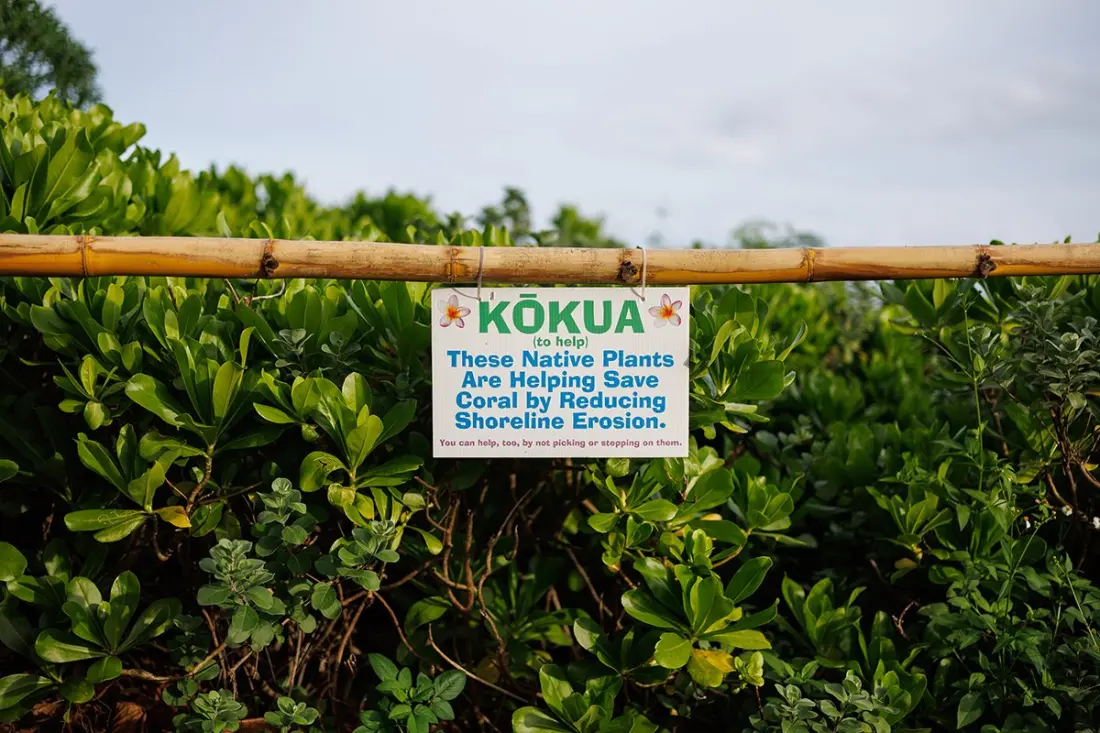
The cove and its adjacent tide pools sit inside a protected marine life conservation district in Pūpūkea, a strict no-take zone enforced by Hawaii's Department of Land and Natural Resources. Plenty of visitors never realise it. President and co-founder Denise Antolini says a recent study by the group found a link between daily visitor numbers in the tide pools and falling fish populations — stepping on coral damages it, and displaced habitat sends fish elsewhere. Runoff from eroded land is a second threat, which is why the group has spent roughly a dozen years planting native coastal species along the banks to hold the soil in place.
The work is stubbornly low-tech. Volunteers pull invasive weeds and plant native Hawaiian coastal plants by hand, no chemicals, covering an 80-acre stretch of coastline. The group eventually wants formalised pathways, boardwalks and signage around the restroom, shower and parking area — partly to protect new plantings that visitors currently trample on their way to the water. One of the wins: the organisation's makai watch program has driven a dramatic drop in violations, though arrests still happen among poachers fishing just outside the cove. Most rule-breaking is innocent — tourists with kids and buckets who didn't know nets aren't allowed in the tide pools.
Antolini isn't pushing to shut anyone out. Her group's idea, if crowding keeps climbing, is a reservation-style cap for non-residents similar to Hanauma Bay's system, which limits daily entrants. The long game, she says, is that a thriving marine sanctuary becomes so abundant that fish "spill over" and benefit the entire coastline.
For travellers, this is a genuinely good way to give something back to a spot most people just swim through. Volunteer workdays run 8 to 10 a.m. on Saturdays, and the group relies on them — director of educational programs Jenny Yagodich calls it hard but worthwhile, noting measurable improvements in coral health and reduced sedimentation in the area. You'll get muddy, probably in the rain, and you'll want proper shoes rather than flip-flops. Then you get to snorkel a reef you've actually helped protect. Details and workday announcements are posted on Instagram at @malama_pupukea_waimea.