There's a moment every frequent flyer knows: one more trip, one more fare, and a higher status tier is yours. A travel writer at Live and Let's Fly just lived that dilemma in real time — and his reasons for walking away say a lot about how loyalty programmes work in 2025.
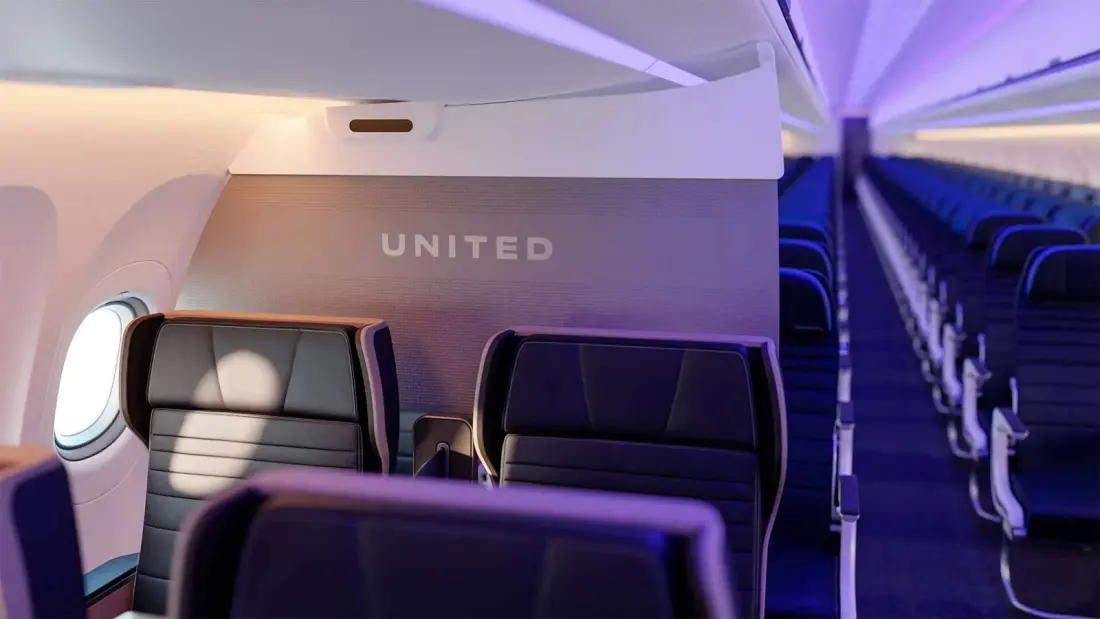
The setup: he flies United often and rates it highly. The A321neo with Starlink Wi-Fi has become his pick, catering and service have improved, and his personal on-time rate with United tops 90% (against roughly 50% on American). On a recent Chicago-to-Los Angeles flight he missed the first-class upgrade as a Premier Gold — but says he'd have cleared it as a Platinum. That tier was, in theory, within reach: about $5,000 of United spend in the final month of the year would have sealed it.
Instead, he did the maths and declined. He was only two-thirds of the way to Platinum with a twelfth of the year left, and the coming weeks had him booked on Aer Lingus, American, Delta, JetBlue, KLM and United. Buying enough last-minute United fares to hit the threshold would have meant flying worse routings, worse times, and — ironically — paying for premium cabin tickets anyway, since top-tier status is essentially unreachable without premium fares under today's spend-based qualification.
His verdict on what status actually buys: upgrades he'd already be paying to guarantee, free bags, and extra-legroom seats for family. Not worth distorting a whole year of travel decisions. So he'll finish the year as Gold on both American and United, with nothing on Alaska, Delta or JetBlue despite flying them all — and still admits the pull of status remains "enchanting."
Why does this matter to ordinary travellers? Because the loyalty maths has fundamentally changed. When airlines moved from miles flown to dollars spent, the sweet spot shifted to mid-tier status (Gold-level perks like upgrades and free checked bags) or to no status at all — booking the best fare on the best airline for each trip and paying for extras when needed. If you find yourself shopping for flights you don't need, or paying more to stay within one carrier, it's worth doing the same cost-benefit check. Sometimes the hamster wheel is worth rejoining; often it isn't. The writer's conclusion, after all this second-guessing: for his circumstances — mostly premium cabin travel anyway — staying a free agent is still the right call, even if it stings to watch that upgrade clear for someone else.
The honest takeaway is that status is an emotional product as much as a practical one. The question to ask before year-end: would I make this booking if the airline weren't offering a badge for it?
Story via Live and Let's Fly.