Two separate technology failures in under ten days have made flying in the US feel unusually fragile heading into Thanksgiving 2026 — but the picture is less bleak than the headlines suggest. Here's what actually happened and what it means if you're flying this week.
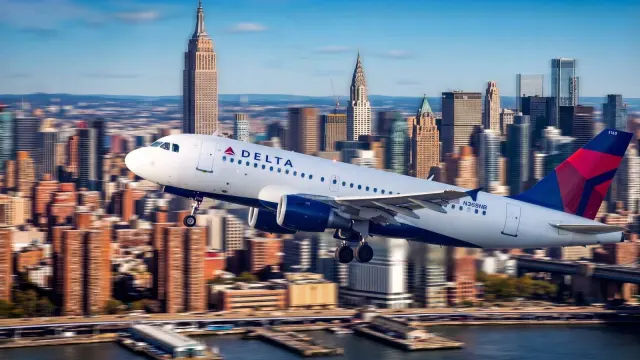
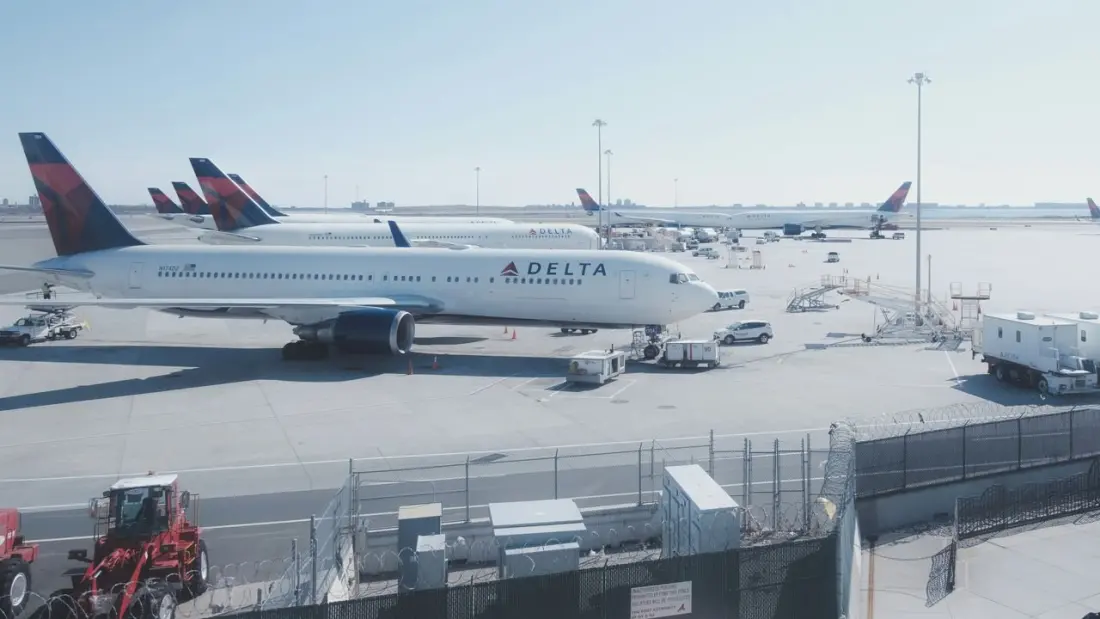
The second disruption hit on Sunday, November 22, at Atlanta's Hartsfield-Jackson (ATL), the busiest airport in the country. Delta Air Lines' weight and balance automation system — the equipment that confirms aircraft are safe to take off — went down, forcing crews to use manual workarounds. The result: 2,194 Delta delays that day, roughly 64% of its schedule, plus 274 cancellations, according to FlightAware. Delta blames about 70% of the disruption on the Atlanta equipment failure, with bad Northeast weather accounting for much of the rest. The system was fixed by Sunday afternoon, but residual delays (300-plus) and cancellations (92) persisted into Monday morning, and travellers should expect lingering disruption through Tuesday, November 24.
This came just nine days after a far bigger scare: a rare nationwide FAA ground stop on November 13 that lasted over four hours. The cause, per the FAA, was a routine router upgrade by network provider L3Harris at a facility in El Dorado, Arkansas. Legacy equipment buckled under data flooding in at 1,000 connection attempts every four to five seconds, destabilising aircraft communications and radar feeds at a radar site in Amarillo, Texas. Notably, the affected router dates back to 2001 and ran on obsolete copper wiring — which is why the US Travel Association and airline CEOs like United's Scott Kirby are calling it a wake-up call. The Department of Transportation has since asked Congress for an extra $50.1 billion to overhaul air traffic control.
So should you change your Thanksgiving plans? Probably not. Aviation analysts say the ground stop's effects are mostly behind us, and 2026 is actually shaping up quieter than usual: the Wednesday before Thanksgiving, typically one of the busiest flying days of the year, doesn't even rank in the top 50 busiest days this year. AAA still projects 5.96 million domestic flyers during the holiday window, which runs roughly November 19 through December 1.
If your flight was cancelled, you're entitled to a full cash refund if you'd rather not travel. Delta is also honouring free rebooking for passengers originally scheduled to fly through November 16, with new departures on or before November 23. More broadly, most major US carriers let you change flights without a change fee (fare differences may apply) — though basic economy tickets and low-cost carriers usually don't qualify.
Practical advice stands regardless of airline: check your flight status frequently, build in buffer time (arrive at least two hours before domestic departures, three for international), and know your rebooking rights before you're standing in a queue. The system is recovering — it just pays to be ready if it stumbles again.