Vietnam celebrates its cultural heritage every November 23, and this year the commemorations come with a practical perk for travellers: free admission to some of the country's most treasured historic sites.
The date isn't arbitrary. On November 23, 1945, barely two months after independence, President Hồ Chí Minh signed Decree No. 65/SL, making heritage preservation one of the new government's first acts. That decree is now considered the foundation of Vietnam's conservation policy, and in 2005 the Prime Minister formally designated the anniversary as Vietnamese Cultural Heritage Day.
Eight decades on, the numbers are striking. Vietnam counts more than 40,000 historical and cultural sites, from over 10,000 provincial-level landmarks to more than 150 special national relics. Nearly 70,000 intangible heritage items have been inventoried — folk opera, festivals, crafts and rituals — with over 700 recognised nationally. Close to 200 museums hold more than four million artefacts, over 300 of which are certified National Treasures. And nearly 40 Vietnamese heritage entries appear on UNESCO lists across world heritage, intangible heritage and Memory of the World categories.
For visitors in the country in late November, the celebrations translate into real access. In Hà Nội, the Old Quarter management board is throwing open six heritage sites for free on November 23 and 24, from 8am to noon and 1.30pm to 5.30pm. The route threads through the historic 36 streets: Bạch Mã Temple, the Centre for Arts and Culture and Quan Đế Temple on Hàng Buồm, the Heritage House at 87 Mã Mây, Kim Ngân Communal House on Hàng Bạc, and the Old Quarter Cultural Exchange Centre on Đào Duy Từ. Each stop peels back a layer of old Thăng Long-Hà Nội — its architecture, beliefs and craft traditions.
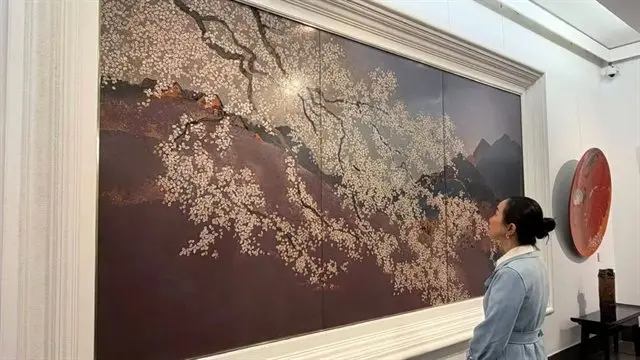
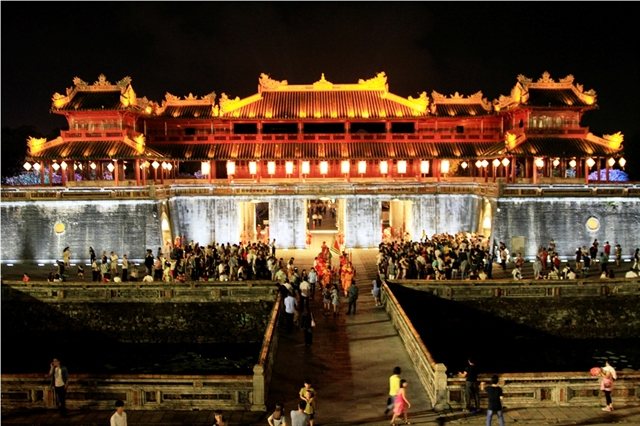
In Huế, the former imperial capital, Vietnamese citizens get free entry to sites in the Complex of Huế Monuments on November 23 (7am-5pm), and Hải Vân Gate is free on both days. The city is also staging a photography contest exhibition, a Huế Landscapes painting show, royal court music performances and displays of áo dài, calligraphy and folk singing.
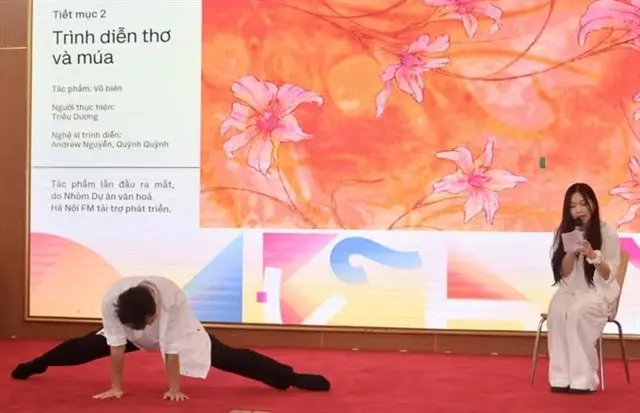
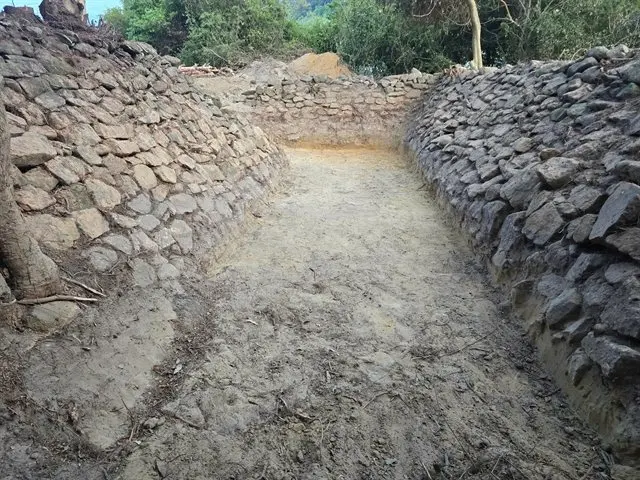
The main official programme this cycle is in Hoa Lư, Ninh Bình Province, where the Department of Cultural Heritage has lined up exhibitions, heritage displays, artisan exchanges and training on antiquities management. Note that the 2026 edition of Culture Day falls on November 24, with events spread across both dates nationwide.
Why care? Beyond the free entry, the celebrations show how seriously Vietnam treats heritage as a living resource rather than a museum piece — officials talk about linking conservation with tourism, digital promotion and community-led preservation. For travellers, late November is a smart window: festivals, performances and open doors at sites that normally charge, in pleasant dry-season weather across much of the country. Stories via Vietnam News Life.