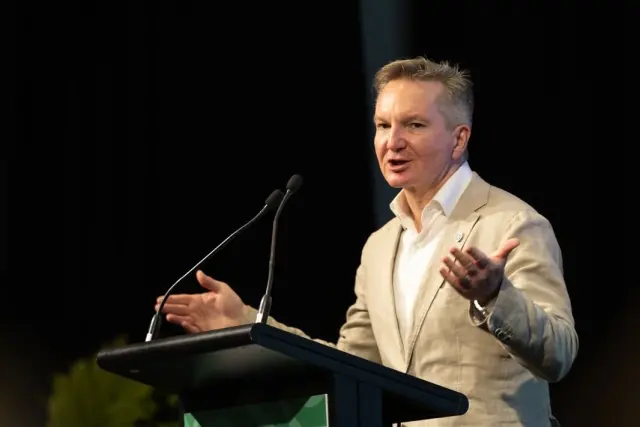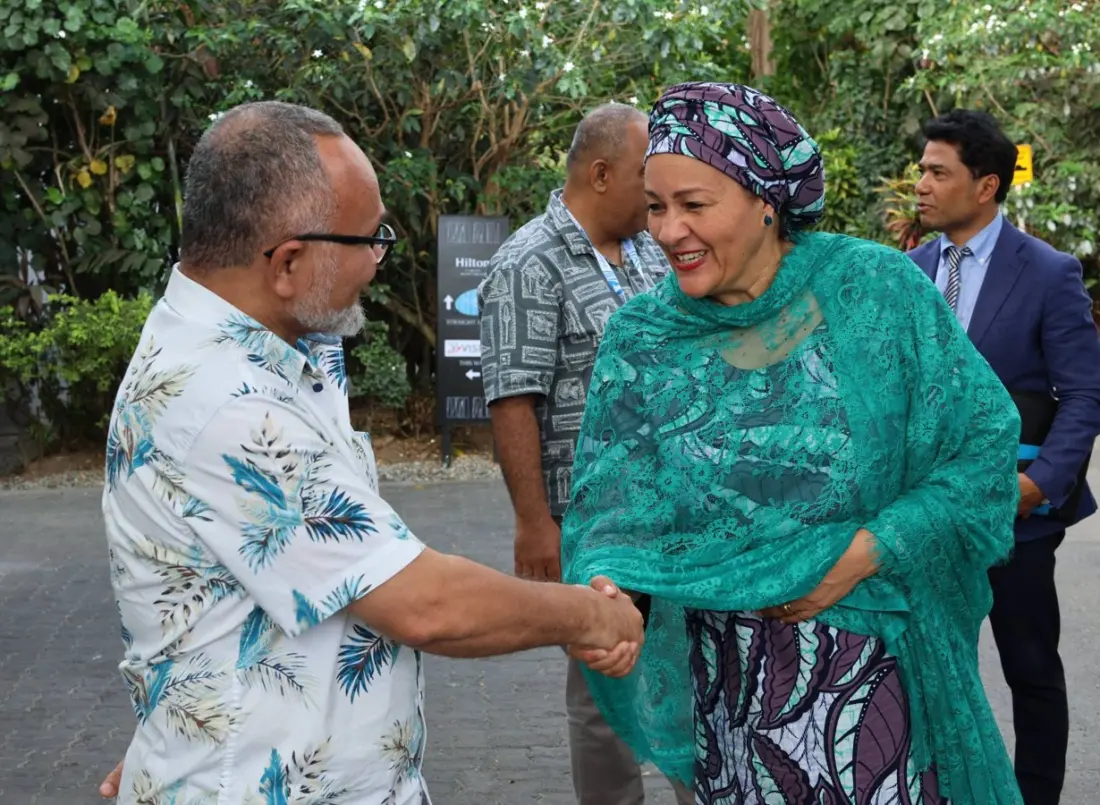
Solomon Islands Prime Minister Matthew Wale has put big emitters squarely in the frame, telling UN Deputy Secretary-General Amina J. Mohammed that climate change is already an existential threat to his country and its Pacific neighbours. The exchange happened on the sidelines of Pre-COP31 in Nadi, Fiji, in the run-up to the next major UN climate summit.
Wale's ask was pointed: research into historical and current emissions that could underpin accountability mechanisms built on the polluter-pays principle — and not just for the usual suspects. He named the G7, G20, BRICS and emerging economies alike, urging political-level engagement with those groupings on fossil fuel subsidies and ongoing investment in oil, gas and coal. The goal, he stressed, is keeping the Paris Agreement's 1.5°C target alive.
One of his sharpest arguments concerns the ocean itself. The Pacific, he noted, acts as a major carbon sink, quietly absorbing carbon from the atmosphere as a global environmental service — while major emitters benefit from that function without compensating the vulnerable island nations who live with the consequences. He also questioned whether the current UN climate process offers any real pathway to address historical emissions at all.
Money was the other big theme. Wale pushed for wider adoption of the Multidimensional Vulnerability Index, which would help Small Island Developing States access development and climate finance — including grants and concessional lending — on fairer terms. Mohammed agreed that multilateral development banks such as the IMF and World Bank could drive change where political will and capital exist, while conceding that global climate ambition has stalled and stronger action is needed before COP31.
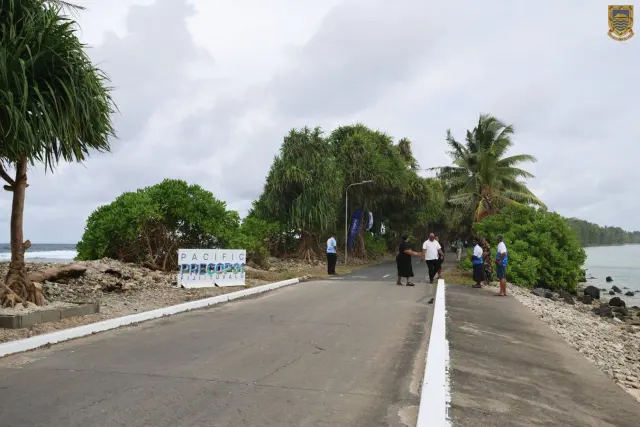
For travellers, this matters more than it might first appear. The same low-lying atolls and coral reefs that make the Pacific a dream destination are the front line of sea-level rise, bleaching events and coastal erosion. What island leaders secure — or fail to secure — at these talks will shape whether those places remain visitable, liveable and intact for the travellers of the next few decades. Anyone heading to Solomon Islands, Fiji or their neighbours is visiting communities whose future is being negotiated in rooms like the one in Nadi.