At the COP31 summit in Antalya, Türkiye, the Pacific's negotiators and campaigners have spent the final days fighting on two fronts: pushing the ocean to the centre of the global climate agenda, and pushing back hard against a draft deal that quietly deleted many of the commitments they came for.
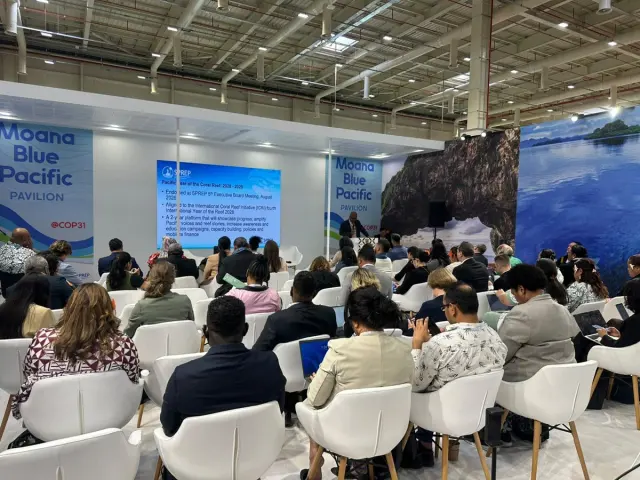
Pacific Ocean Envoy Inia Seruiratu set out the region's core ask: the ocean should be woven through every strand of the UN climate process — finance, mitigation, adaptation, resilience and loss and damage — rather than treated as a side topic. His framing was blunt: there is no healthy planet without a healthy ocean, and for island communities the sea is identity, culture, food supply and livelihood all at once. He also argued the Pacific brings solutions, not just problems — experiences other coastal regions could copy and scale — and warned that every year of delay raises the eventual cost.
The urgency became clear when negotiators released a slimmed-down second draft of the cover decision, cut from 18 pages to nine. Gone were the language on transitioning away from fossil fuels, targets for developed nations to hit net zero by 2030 and net-negative emissions by 2040, a US$120 billion adaptation finance goal by 2035, and a reference to the Pacific Resilience Facility championed by Australia. Electrification and renewables targets survived: a 35 percent share for electricity in global energy use by 2035 and a tripling of renewable capacity. Critics noted the electrification goal doesn't actually require the power to come from renewables, and that provisions for carbon capture survived while the fossil fuel phase-out didn't.
Pacific campaigners were scathing. Fenton Lutunatabua of 350.org called it a betrayal of a region already living with severe climate impacts, questioning how Australia — COP31 co-host and self-declared member of the Pacific family — could let the phase-out language go. Tuvalu's Reagan Moses and Maina Talia pressed the same point from the negotiating floor: for small island states this is not diplomacy-as-usual, it is about national survival, and Naoero's first COP under its traditional name became a bittersweet one against the backdrop of a possible overshoot of 1.5°C. Australia's climate minister Chris Bowen defended the draft as the most ambitious text consensus could deliver, with nearly 200 countries still to argue over the final wording.
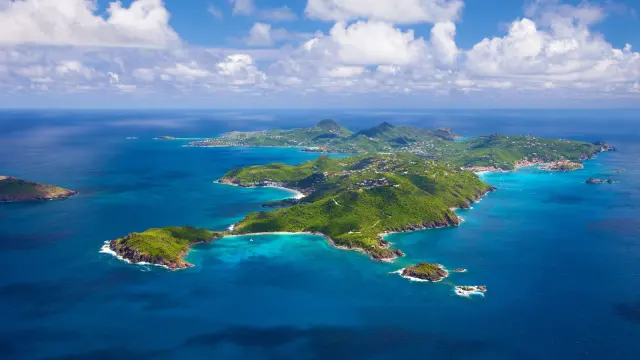
Why should a traveller care? Because the same forces on the table in Antalya decide whether Fiji's reefs, Tuvalu's atolls and Vanuatu's coastlines remain liveable — and visitable. A weakened outcome means stronger cyclones, coral bleaching and, in the starkest cases, countries negotiating their own disappearance. The Pacific's islands are among the world's most rewarding places to travel, and they are also its clearest early-warning system: what happens to them now is a preview of what happens everywhere later. The final COP31 text is still being negotiated, and the region's message to the rest of the world is simple — act today, not someday.