Boeing's three most modern airliners — the 737 MAX, the 787 Dreamliner and the forthcoming 777X — are all chasing the same goal: cutting drag and burning less fuel. Yet look at their wingtips and you'll see three completely different solutions. There's a reason for that, and it comes down to airports as much as aerodynamics.
Air spilling from under a wing to above it creates swirling vortices at the tips, and those vortices cause induced drag — the resistance that forces engines to work harder in cruise. The simplest fix is a longer wing, since a longer span weakens the vortices. But wingspan is exactly what airports care about: ICAO size codes dictate which gates and taxiways an aircraft can use. So every wingtip design is a compromise between efficiency and fitting into existing airport infrastructure.
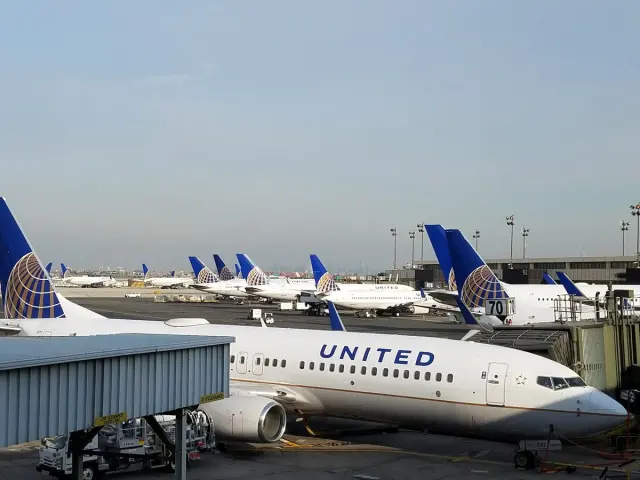
The 737 MAX shows the tightest constraint. Boeing wanted the MAX to slot into the same airport category as earlier 737s, keeping its span within the ICAO Code C limit of 118 feet (36 metres). A raked tip like the 787's would have pushed it over that limit, so the MAX got its distinctive Advanced Technology split-tip winglets — one section angled up, another down — which trim drag without widening the footprint. Southwest, the type's biggest operator, flies 300 of them, with United close behind on 243.
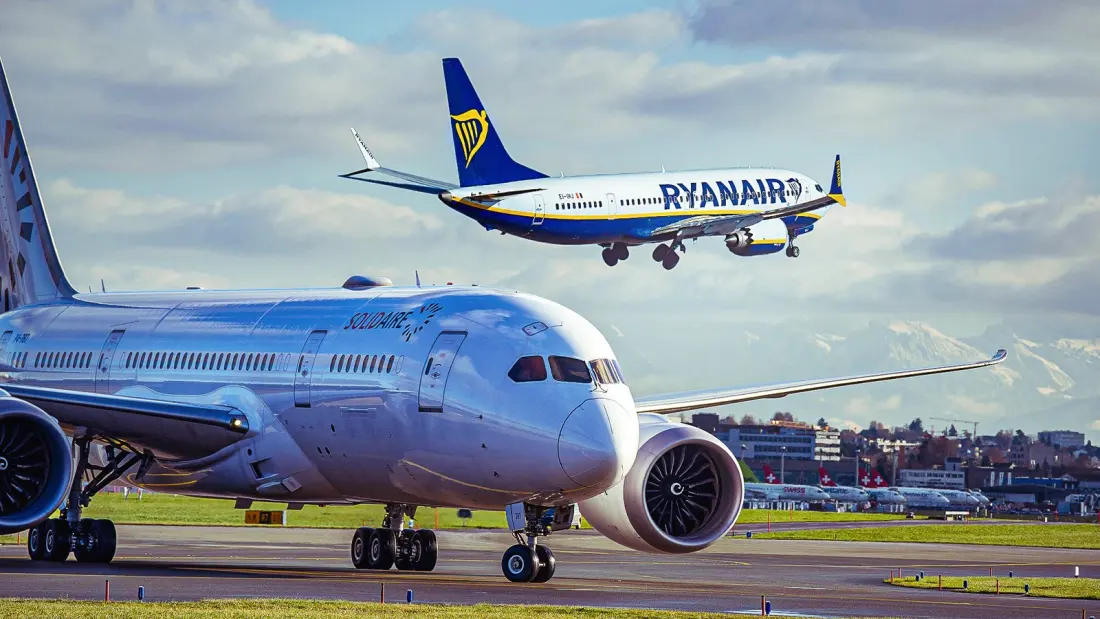
The 787 enjoyed far more freedom as an all-new widebody. Its wings are long, thin, flexible carbon-fibre structures ending in swept-back raked tips rather than conventional winglets. Boeing and NASA research suggests raked tips cut drag by roughly 5.5%, versus 3.5–4.5% for standard winglets — a meaningful edge on ultra-long routes. United is now the largest 787 operator with 97, just ahead of ANA on 90.
The 777X takes the logic to its extreme. Its wings stretch 235 feet (72 metres) in flight — too wide for the Code E airports used by today's big twins. Boeing's answer is the aviation first you may have seen in photos: wingtips that fold upward on the ground, shrinking the span to just under 213 feet (65 metres) for parking and taxiing, then locking out before departure. The programme has slipped repeatedly — certification and GE9X engine issues pushed the first 777-9 delivery target to 2027, with the 777-8F freighter around 2029 and the passenger 777-8 not before 2030. Emirates leads the order book with a remarkable 270 aircraft, followed by Qatar Airways with 124.
So the three designs aren't Boeing being whimsical. Each reflects the specific box its aircraft had to fit into — literally. For travellers, it's a neat piece of context for your next flight: that odd double winglet on your MAX, the long elegant tips on a Dreamliner, and the folding tips you'll eventually spot on a 777X all trace back to the same physics plus the realities of airport gates.