Virginia only has two natural lakes, yet it has quietly assembled one of the better collections of clean, swimmable water in the eastern US. Most of its lakes are manmade reservoirs, but you'd never guess it from the mountain backdrops. A ranking built on EPA water quality data via LakeQuality has surfaced eight spots with unusually clear water — and Smith Mountain Lake, the state's famous poster child, barely features.
Water clarity is stranger science than you might think. A tea-brown lake can be perfectly healthy, its colour caused by harmless tannins from fallen leaves, while a crystal-clear one can carry stormwater contaminants. What matters are nutrient levels, oxygen, and algae — and these eight score well on all counts.
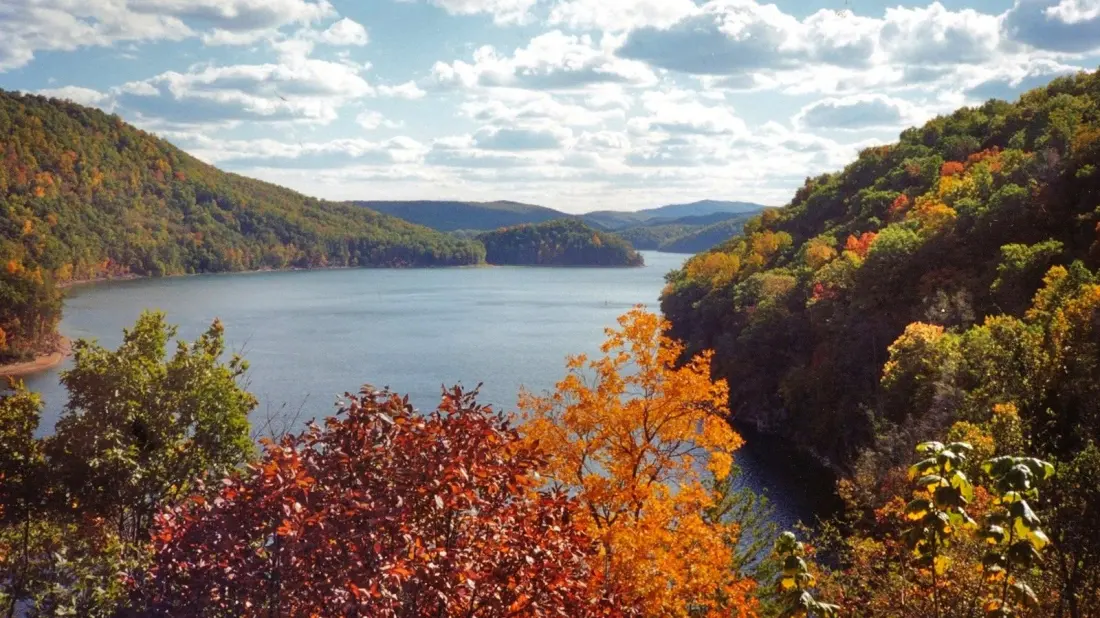
Top of the list is Philpott Lake, an hour south of Roanoke in the Blue Ridge Mountains. More than 100 miles of shoreline wrap water so clear you can see over 10 feet down, with a turquoise tint from minimal algae. The Union Bridge crossing makes for a scenic drive, and Goose Point Recreation Area has a well-rated campground and wildlife-rich trails. Nearby sits Fairy Stone State Park, with its folklore and camping.
Lake Moomaw, inside the George Washington and Jefferson National Forests, covers 2,530 acres of blue-green water with a two-tiered sport fishery. Camp at Bolar Mountain, or hike to Greenwood Point for tent sites overlooking the water — then treat yourself in historic Hot Springs, half an hour away.
For a wilder feel, Hidden Valley Lake is a 61-acre gem tucked below Brumley Mountain in Washington County, 40 minutes from Bristol. Only paddle and electric boats are allowed, keeping its 9.7-foot visibility intact. Fishermen can target bass, bluegill and crappie around the clock.
Laurel Bed Lake on Clinch Mountain is the effort-reward option: a permit or licence is required, plus a winding gravel road after an hour's drive from Tazewell. The payoff is 330 acres of clear water, rhododendrons, bald eagles, beavers and black bears.
Elsewhere, Hunting Run Reservoir near Fredericksburg stocks largemouth bass in 430 acres of remarkably clean water; Carvins Cove Reservoir near Roanoke bans swimming but offers paddleboarding and 60 miles of trails in a 12,500-acre preserve (check drought conditions before going); Lee Hall Reservoir sits inside one of America's largest city parks in Newport News, complete with 188 campsites, golf and a discovery centre; and Motts Run Reservoir, also near Fredericksburg, draws migratory waterfowl each autumn — though it closes Tuesdays and Wednesdays.
Why it matters: if your idea of a summer holiday involves a quiet lake rather than an ocean beach, Virginia delivers clear water, cheap camping and mountain scenery without the crowds of better-known destinations. Swimmers and paddlers should aim for Philpott or Moomaw; anglers and wildlife watchers have four more strong options spread from Tidewater to Appalachia.