Japan welcomed a record 42 million international visitors in 2025 — more than double the figure from a decade earlier — and the government wants 60 million by 2030. Australians alone took almost one million trips (992,550) in 2025-26. The weak yen helps, but as a new Lonely Planet book, Love Japan, makes clear, the currency only tells part of the story. Here are the threads worth pulling on.
**Two religions, one spiritual life.** The local saying goes that you're born Shinto and die Buddhist. Shinto handles births, purification and the kami (spirits) that live in nature; Buddhism covers funerals and the afterlife. At Tokyo's Suiten-gu shrine, people pray for fertility and safe childbirth, and bad omikuji fortunes get tied to trees so the bad luck can't follow you home. The standout experience is Miyajima island's Itsukushima Shrine, with its famous "floating" torii gate.
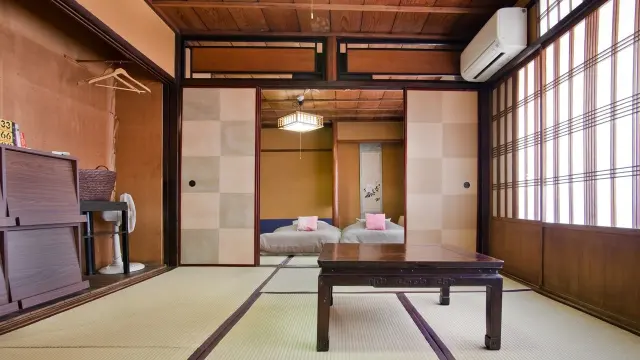
**Sleep in the world's oldest hotel.** The Nishiyama Onsen Keiunkan in Yamanashi Prefecture, founded in 705 AD and run by one family for 52 generations, is a ryokan — tatami floors, futons, yukata robes, hot-spring baths and multi-course seasonal dinners. Staff quietly lay out your bedding while you eat.
**Onsen, the legal definition.** Thanks to a 1948 act, water must hit 25°C at the source or contain minerals like sulphur or iron to qualify as an onsen. Once therapy for aristocrats, now pure pleasure — even wild macaques bathe at Jigokudani Monkey Park in Nagano. Kinosaki Onsen is known for tattoo-friendly public baths; Beppu has the country's densest concentration of springs.
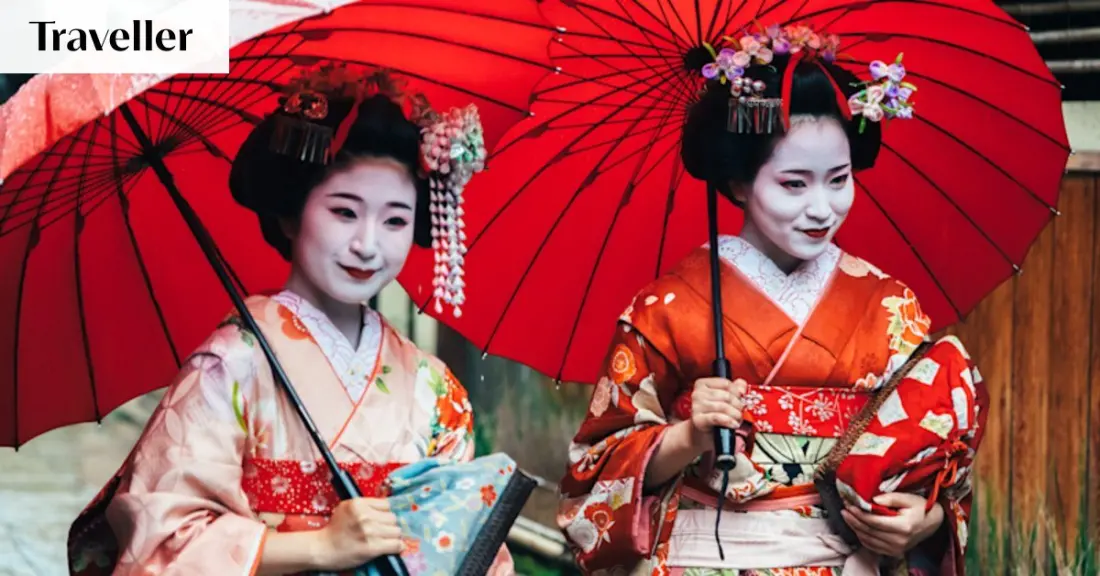
**Culture, on stage and in the bowl.** Geisha traditions survive in Kyoto's five hanamachi districts, including Gion; spring brings rare public dance performances like Miyako Odori. Then there are noodles: ramen (a Chinese import adapted a century ago), buckwheat soba, and udon — Kagawa Prefecture proudly calls itself "udon-ken". Seafood runs deep too: Hiroshima oysters, Kochi seared bonito, Hokkaido crab, and fugu in Shimonoseki, prepared only by licensed chefs.
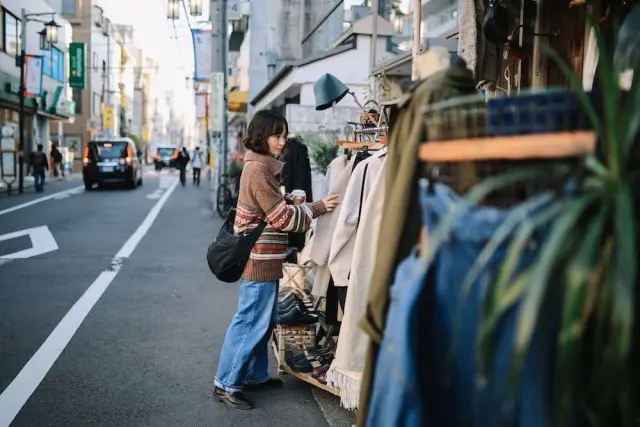
**Powder and kawaii.** Japan's snow country gets up to 10 metres of dry, light powder a season as Siberian winds cross the Sea of Japan. Niseko, Hakuba, Appi Kogen and Zao Onsen (home of the ice-covered "snow monsters") draw the crowds, though smaller resorts face shorter seasons as the climate shifts. Back in the cities, kawaii culture — from Hello Kitty (born 1974, famously mouthless so everyone can project a mood onto her) to Harajuku street fashion — is a genuine expression of individuality, not just merch. And the ceramics: six "ancient kilns" like Bizen and Shigaraki still fire wares shaped by centuries of tea-culture aesthetics.
The common thread is contrast — ancient shrines beside neon, rigid etiquette beside thriving subcultures — and there are a million ways in, whether it's a first cherry-blossom fling or a lifelong obsession.