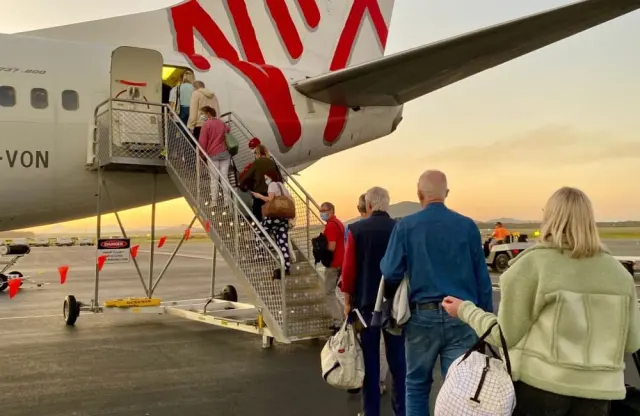
Qantas has quietly conceded that its new Airbus A321XLR was too tight for comfort. The first redesigned jet, registered VH-OGD, touched down in Australia in late February with a fourth lavatory on board — paid for by deleting one three-seat economy row. Total capacity drops from 200 to 197, but the economy passenger-to-toilet ratio improves from a grim 90 people per facility to roughly 59.
The backstory explains why this matters. The Australian flag carrier ordered the extra-long-range single-aisles in 2022 to replace its ageing Boeing 737-800s, and launched commercial services from Sydney and Melbourne in September 2025. But the first three deliveries drew heavy criticism: economy passengers shared just two toilets at the rear of the plane, a worse ratio than the outgoing 737s and behind even budget rivals like Ryanair, Scoot and Jetstar. Commentators were scathing, and the airline committed to a redesign before most of the 48-jet order was even built. All future aircraft will come with four toilets as standard — three in economy, one in business — and the first three jets will be retrofitted during future heavy maintenance checks, though that could be around three years away.
The toilet trouble isn't uniquely Qantas. Airbus' SpaceFlex module squeezes the rear galley and lavatories together to fit more seats, and mid-cabin bathrooms were rejected by all six launch customers — Iberia, American, Aer Lingus, Air Canada, United and Qantas. The result: facilities crammed at the aircraft's ends, causing queues on flights that can run eight to eleven hours. Iberia's layout, for instance, leaves effectively two usable toilets for 168 economy passengers, with lines regularly blocking crew meal service. Qantas' new front-economy toilet should keep the rear aisle clearer and make cabin crew workflows far smoother.
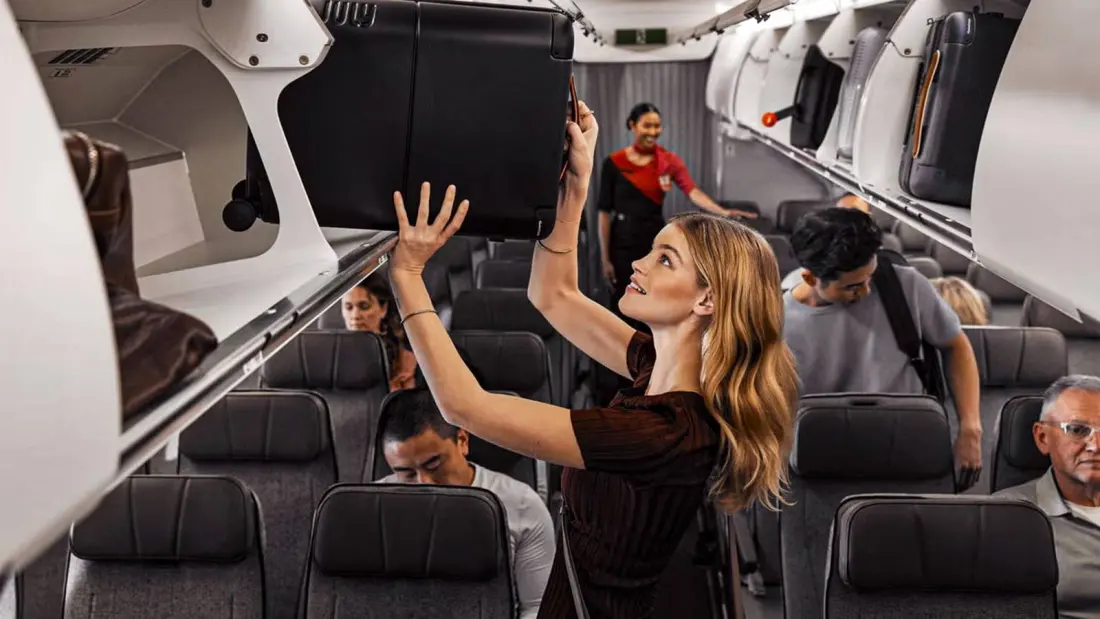
For travellers, the practical upshot: from next year, most Qantas A321XLR flights — including the planned Brisbane–Manila international route — should feature the roomier four-toilet layout. Economy Plus is also now on board, offering 36 seats with 34–35 inches of pitch versus 30 inches in standard economy, plus drop-down tablet holders for streamed entertainment. Booking a seat in the rear few rows? Check the aircraft's configuration before you fly, since the first three jets keep the old layout for now.