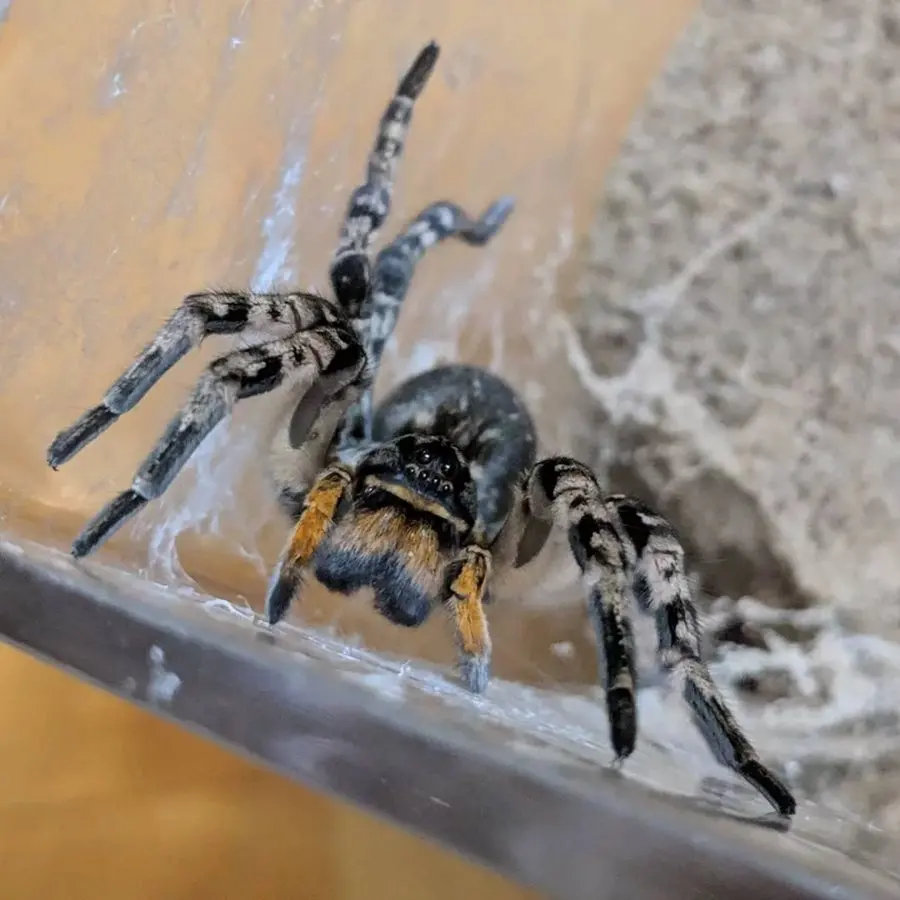
Austria is having a spider moment. More than 200 tarantula sightings have been logged in just two months, with experts confirming 175 of the reports submitted to naturbeobachtung.at, a citizen science platform where members of the public record wildlife encounters.
The hotspots are in the country's southeast. Styria led the count with 66 sightings, followed by Lower Austria with 49 and Burgenland with 43, plus further records in Carinthia. Austria hosts two species — the South Russian tarantula and the black-bellied tarantula — both members of the wolf spider family.
Why the sudden flurry? Autumn is peak activity season. The spiders are normally burrow-dwellers, hiding in underground holes and rock crevices, but as they hunt for sheltered spots to overwinter they sometimes wander into houses, flats and garages. So if you're staying in a rural guesthouse or a converted barn in the southeast of the country, don't be too surprised by an eight-legged houseguest.
Two of the recent finds genuinely excited researchers. A South Russian tarantula turned up in Tulln, Lower Austria — an unusually north-westerly record, with no previous sightings in the surrounding area according to Carolina Trcka-Rojas of the Austrian Nature Conservation Association. And a black-bellied tarantula was spotted in Stossau, in the lower Gail valley, at the end of August — the westernmost record for that species in Austria. The two species have different backstories: the South Russian tarantula was first recorded around Lake Neusiedl and Vienna in the early 1920s, while the black-bellied tarantula arrived in the records in Styria during the 1970s.
The trend may not stop at Austria's borders. A 2025 study also documented tarantulas spreading in Czechia after decades of decline, and researchers suspect warmer, drier summers are making conditions more favourable — a small but telling example of how shifting climate is redrawing the map of where European species live.
Should holidaymakers worry? Not much. Both species are shy and bite only when threatened. A bite is painful and can cause redness and swelling, but it isn't usually dangerous to healthy people. The sensible move, if you find one indoors, is to leave it alone or get it relocated rather than handling it.
For wildlife lovers, this is actually a reason to pay closer attention on an autumn trip to Styria, Burgenland or the lake regions around Neusiedl — you might spot one of Europe's most misunderstood spiders going about its business. Citizen science platforms like naturbeobachtung.at welcome sightings, so a holiday photo could even contribute to the research.