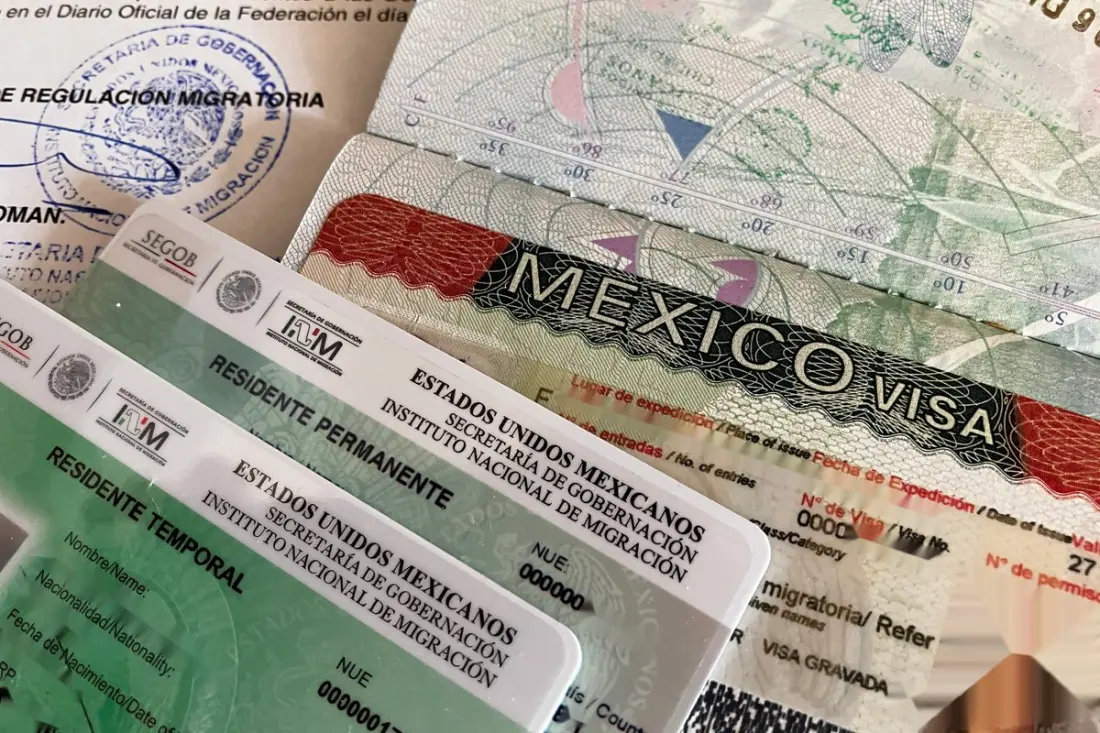
Getting legal residency in Mexico is only half the story. Once you hold a card — either Residente Temporal or Residente Permanente — a specific set of rights and duties kicks in, and the differences between the two statuses matter more than most newcomers expect.
Temporary residency lets you live in Mexico for up to four years, with the option to apply for permanent status after four consecutive years (or two if you're married to a Mexican national). Card holders can open Mexican bank accounts, register a Mexican-plated car, receive Mexican social security, apply for an RFC tax number, and bring used household goods into the country duty-free on a one-off basis. Work is possible, but you need to apply for permission alongside your residency — and if an employer sponsored your permit, it's tied to that job.
Permanent residency goes further. Adults get cards that never expire, you can stay indefinitely without renewals, and you can work in any legal activity without asking the immigration institute (INM) for approval — though you still have to notify them of job changes. Both statuses come with nearly all constitutional protections, except political rights: neither temporary nor permanent residents can vote in Mexican elections.
Two practical quirks catch people out. First, property ownership: foreign residents can buy land directly, but only outside the so-called restricted zones — within 50km of a beach or 100km of a land border, which covers most coastal hotspots, you'll need a bank trust (fideicomiso) or a Mexican corporation. You still enjoy full use of the property, just held differently.
Second, cars. Temporary residents can temporarily import foreign-plated vehicles, but permanent residents cannot use a Temporary Import Permit at all. Enforcement around permanent residents driving foreign-plated cars has reportedly been tightening, so if you're planning to drive in on US or Canadian plates and then switch to permanent residency, think carefully about your vehicle.
On the admin side, every legal resident is automatically assigned a CURP — a national population registry code, usually printed on your residency card — which you'll need for things like signing up to the public healthcare system, IMSS. Both resident types must notify their local immigration office within 90 days of any change to employment, marital status, nationality, or home address. And while there's currently no minimum time you must spend in Mexico each year to keep your status, renewals and change notifications have to be done in person in the country.
Who is this for? Anyone weighing up a longer stay — snowbirds eyeing a winter base, remote workers considering a proper move, or retirees comparing the two statuses. The short version: temporary residency suits people keeping options open (and foreign cars), while permanent residency suits those committed for the long haul who want hassle-free work rights. Just budget for the paperwork — and leave the foreign-plated car plan behind if you go permanent.