The idea that Europe is a June-to-September proposition is looking shakier by the year. Recent Mediterranean summers have brought fortysomething temperatures and wildfires to Greek hillsides, and even without extreme heat, cities can be miserable in July — sticky pavements, stuffy trains, museums at their most crowded. A growing case is being made for doing Europe's urban highlights in the cold months instead, when Christmas markets glow, festivals fire up and the queues vanish.
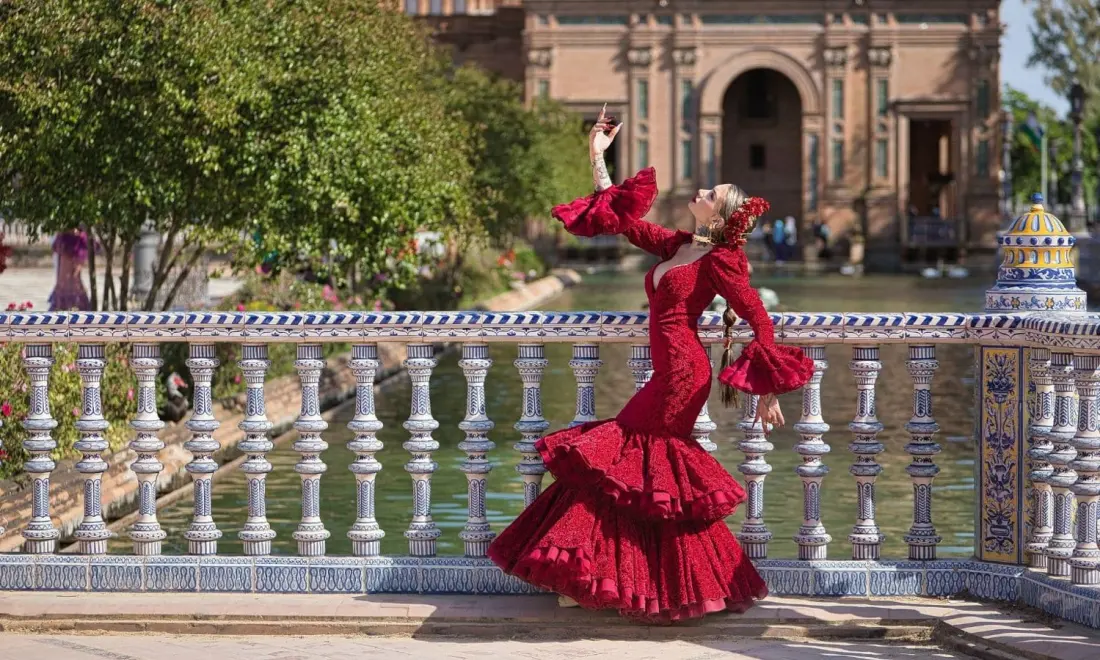
Some cities suit winter better than others, and a few have a genuine claim to be winter-only destinations. Seville barely has a winter at all: highs hover around 20°C in November and March, a relief after the mid-thirties grip of summer. The Moorish-era Alcazar and the wooden latticework of the Setas de Sevilla are far more enjoyable without the sun beating down.
Berlin is a natural cold-weather city — its history as a divided Cold War capital seems made for coat-tight trudging — and December brings cinnamon-scented Christmas markets at Potsdamer Platz and Breitscheidplatz. Tempelhof, the airport turned vast urban park, is the pick of the sights.
Greece's second city, Thessaloniki, works well off-season too. Its White Tower and Roman Forum reward curiosity rather than Instagram, and the bars of the Ladadika warehouse district suit crisp evenings. December puts a Christmas tree in Aristotelous Square; Kapani Market serves up the real, unresortified Greece.
Helsinki is the most extreme case. December and January offer barely six hours of daylight, but snow amplifies what light there is, and the revamped harbour front dazzles. Try the saunas and sea dips at Allas Sea Pool, or the calmer Sky Wheel, then catch the festive market on Senaatintori (November 28 to December 22) beneath the white cathedral.
Vienna stretches its festive season into the new year, when it's needed most. Palaces and gilded coffee houses like the 1861 Cafe Schwarzenberg look fairytale-esque in the long evenings, and Vienna Ice World takes over Rathausplatz from January 22 to March 8 in 2026.
February belongs to carnival. Santa Cruz de Tenerife — twinned with Rio de Janeiro — hosts a sequinned, feathered street party from February 13-22 in 2026, complete with the sardine-burning Entierro de la Sardina. Nice has run its Carnaval since 1294; the 2026 edition runs February 11 to March 1, and the view from the Colline du Château remains worth the climb.
Valencia closes the season with Las Fallas (March 1-19), when giant papier-mâché sculptures fill the city before being torched on the final nights. The daily 2pm mascletà firecracker barrage in Plaza del Ayuntamiento is not for the faint of ear.
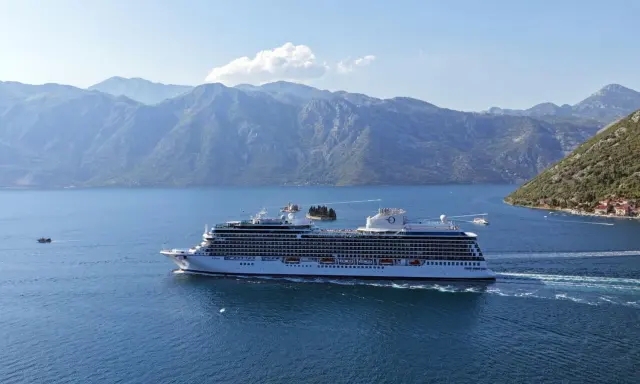
For cruise travellers, these cities slot neatly into winter itineraries — Mediterranean loops in February and March, Baltic sailings in deep winter. You'll trade beach weather for shorter lines, lower prices and festivals you simply can't see in August.