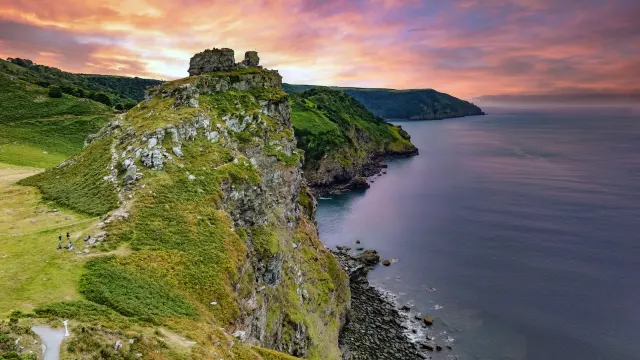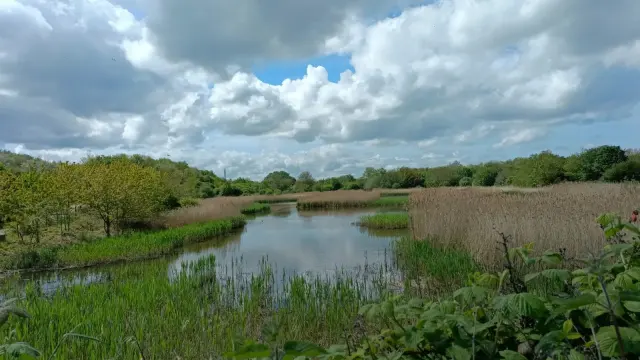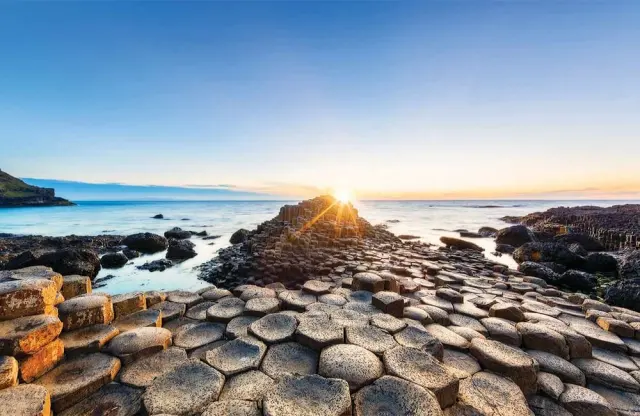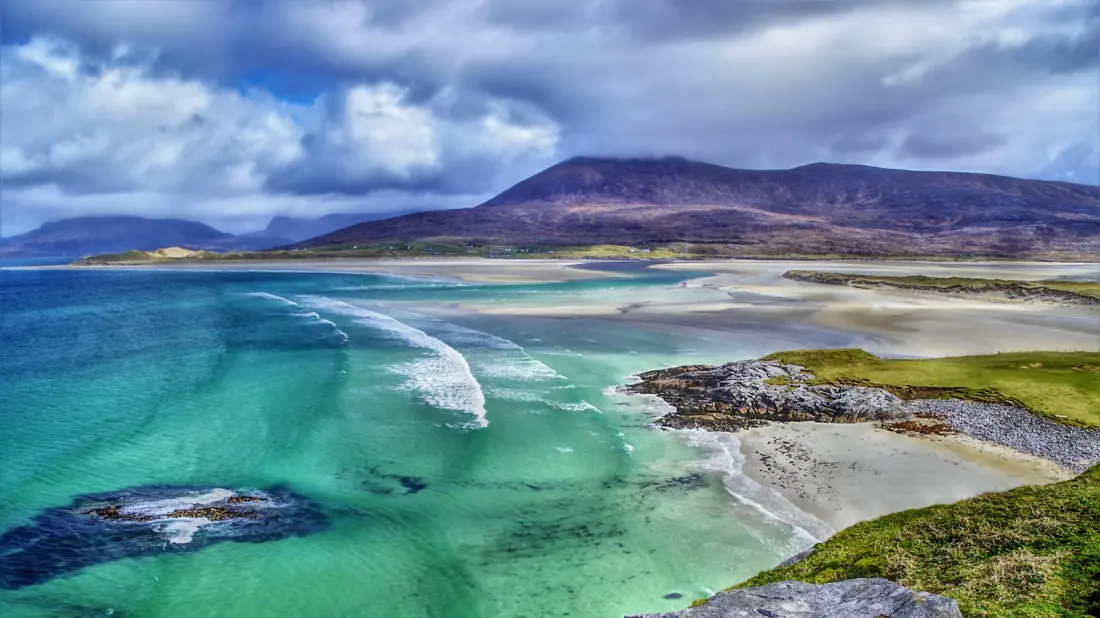
Britain may not do tropical, but its coastline hides a collection of small islands that punch well above their weight for walkers, birders and paddlers. A roundup of underrated UK islands makes the case that you can find wild beaches, ancient ruins and serious wildlife without leaving the country — and without sharing it with many other people.
In England, the Holy Island of Lindisfarne off Northumberland is reachable only when the tide exposes its causeway. It was the spiritual centre of Anglo-Saxon England, home to a monastery founded in 635, and today pairs the ruins of Lindisfarne Priory and castle with dune walks and sea kayaking. Down in Cornwall, St Mary's — the largest of the Isles of Scilly — has almost Caribbean-leaning white sand and clear water, plus a 10-mile coastal walk and easy arrival by ferry from Penzance. Lundy, sitting where the Bristol Channel meets the Atlantic, layers prehistoric, Roman and Viking history with puffin-spotting hikes, rock climbing and diving.
Scotland supplies the bulk of the list. Lismore, a slim 10-mile island in Loch Linnhe, offers Highland views, three castle ruins and wildflower trails, reached by ferry from Oban or Port Appin. Westray in Orkney has a demanding but rewarding 15-mile coastal loop past the cliffside Noup Head Lighthouse. Unst, the UK's most northerly inhabited island, combines Viking heritage with the Hermaness Nature Reserve and kayak trips toward the rocky islet of Muckle Flugga. And Lewis and Harris — one island, two personalities — pair the Calanais Standing Stones with some of Britain's best mountain-and-beach scenery in the Outer Hebrides.
Wales and Northern Ireland round things out. Bardsey Island, off the Llŷn Peninsula, has drawn pilgrims for 1,500 years and doubles as a Dark Sky Sanctuary for stargazers. Ramsey Island, off St Davids in Pembrokeshire, restricts visitor numbers by ferry and rewards the effort with Wales-scale sea cliffs and regular sightings of grey seals, dolphins and whales. Rathlin Island, a short ferry hop from Ballycastle, is Northern Ireland's northernmost point, with a 4-mile trail to a seabird centre and shipwreck-strewn waters for divers.
What ties them together is that each island trades amenities for atmosphere: limited ferry schedules, small communities and weather you can't book in advance, in exchange for quiet trails, puffin colonies, dark skies and coastline you'd normally associate with far-flung trips. They suit travellers who like their holidays self-propelled — walkers, cyclists, kayakers and wildlife watchers — rather than resort-goers. Check tide times before visiting Lindisfarne, book Ramsey and Bardsey boats ahead, and pack layers even in summer.