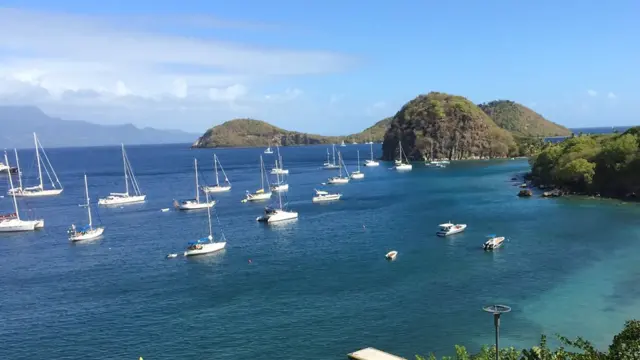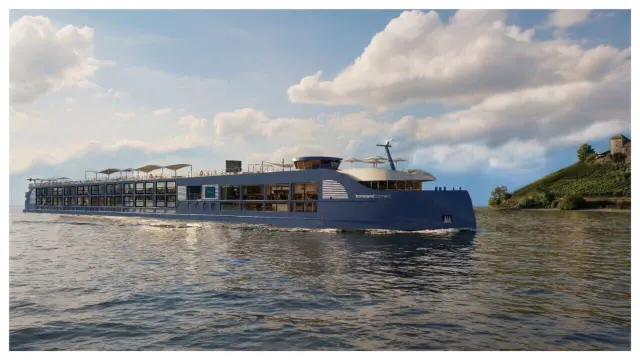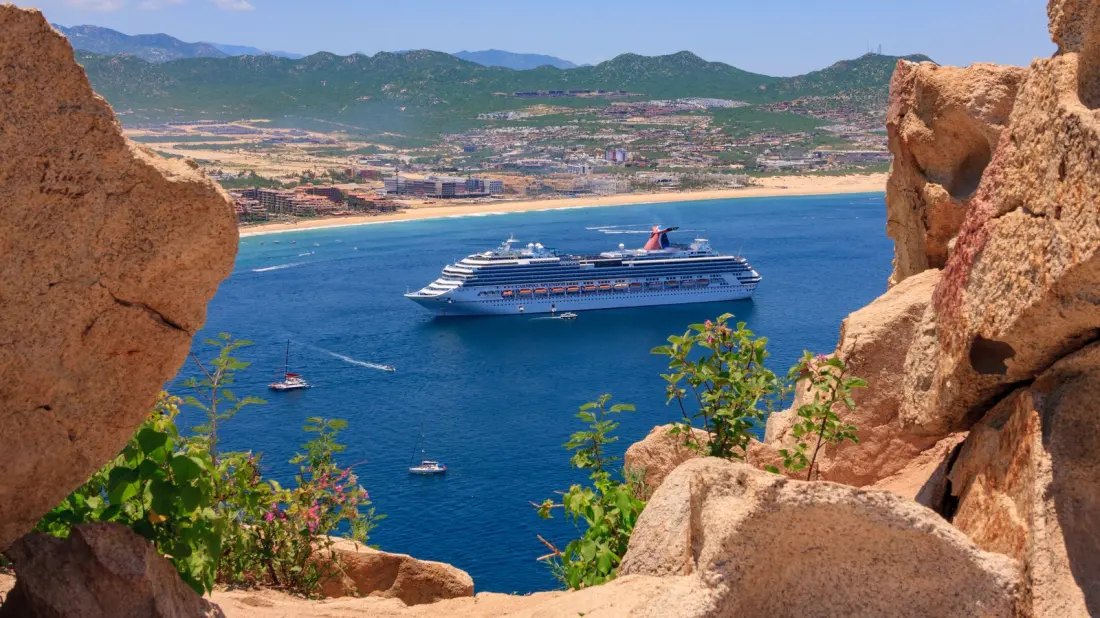
Some of the most famous stops on a cruise itinerary never see the ship tie up. In a 'tender port', the liner anchors offshore and smaller boats — the tenders — shuttle passengers back and forth to land. No gangplank, no walk-off: you queue, board a small vessel and ride a few minutes to the pier.
The reason is usually simple geography. Many beautiful harbours simply aren't deep enough or big enough for a modern cruise ship carrying thousands of passengers. And don't assume this only happens at obscure stops. Cabo San Lucas in Mexico and Santorini in Greece are both tender ports, and Santorini in particular has developed a reputation among cruisers as a place where the tender process can really test your patience. Even ports normally served by docks can flip to tender operations at short notice if another ship takes the berth or conditions change — so no itinerary is a guaranteed tender-free zone.
How the boarding works varies by cruise line, and even by ship within the same line. Some run it first-come, first-served; others hand out tender tickets; some give priority to suite guests, loyalty-tier members or shore excursion bookings. It's worth checking the process for your specific ship before arrival, especially if you have a tight plan for the day. One reliable trick: book a ship excursion that day if getting ashore early matters to you, or hang back and let the first rush clear.
There are real limitations to know about. Many tenders are not wheelchair accessible, which means travellers with wheelchairs, walkers or other mobility needs may simply be unable to go ashore at a tender port — check accessibility with the cruise line before booking, not after. Weather is the other wildcard: if the sea is rough, tender operations can be suspended entirely, and nobody gets off the ship. And even in good conditions, the round-trip tendering time eats into your hours on land. Queueing to get off, riding over, queueing to come back — a port day that looks generous on paper can shrink considerably.
Does that mean you should avoid tender ports altogether? Not really. Cabo, Santorini and plenty of other tender stops are popular for good reason, and most cruisers get ashore and have a great day without drama. The trick is going in informed: read your itinerary, understand your ship's tender procedure, build in buffer time rather than booking a shore activity for the minute you arrive, and flag any mobility requirements with the line well ahead of sailing.
For first-time cruisers, this is one of those bits of jargon worth learning before you sail rather than when the captain's announcement mentions it. Knowing what 'tendering' means — and that your dream port might involve a small-boat shuttle instead of a dock — turns a surprise into just another part of the day.