San Sebastián, a small town in El Salvador's San Vicente Norte municipality, has built a reputation over generations around one thing: weaving. Families here have made hammocks, bedspreads and fabrics on wooden looms for decades, and the craft is woven into the town's identity as much as its economy. Now there's a purpose-built place for visitors to see it up close.
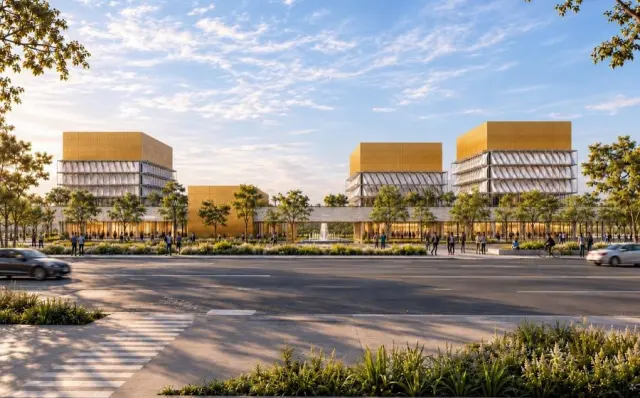
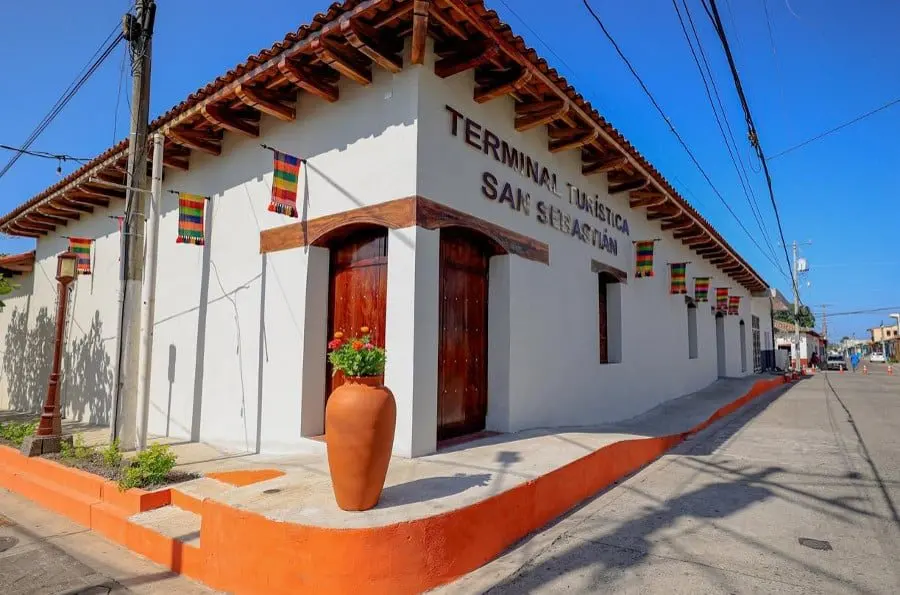
The San Sebastián Tourist Center (Terminal Turística San Sebastián) reopened after a renovation on July 16, 2025. Despite the word "terminal" in its name, it's not a bus station — it's a cultural and recreational facility run by the Salvadoran Tourism Institute (ISTU), which took over the historic building back in 1977. The revamped space now includes a textile interpretation area, an artisan shop, an amphitheater for cultural events, a cafeteria, play areas for kids and a nursing room.
The draw is the weaving itself. In the interpretation center, visitors can watch artisans work traditional wooden looms, which takes real skill — coordinating hands and feet for hours to keep patterns even. Demonstrations give a crash course in the techniques that set San Sebastián apart from El Salvador's other artisan communities. The on-site shop sells the results, and buying there puts money directly into local weavers' pockets.
San Sebastián is also a stop on El Salvador's Artisanal Route, which links towns where traditional crafts still shape daily life. The centre works alongside the town's independent, family-run workshops too, so after your visit you can wander further and see more of how the textile trade actually operates day to day.
Practical details: the centre sits at Fourth Avenue North and Minerva Street in Barrio El Tránsito, and opens Wednesday to Sunday, 9 a.m. to 5 p.m. Entry costs $1 for Salvadorans (bring your DUI for the discount) and $3 for international visitors. If you're going specifically for a weaving demonstration, call ahead to confirm availability, and double-check hours around national holidays.
Why should a traveller care? Because not every rewarding stop in El Salvador involves a volcano or a beach. This is a low-cost, family-friendly window into a living craft tradition — and once you've seen the hours of work behind one, you'll never look at a Salvadoran hammock the same way again.