
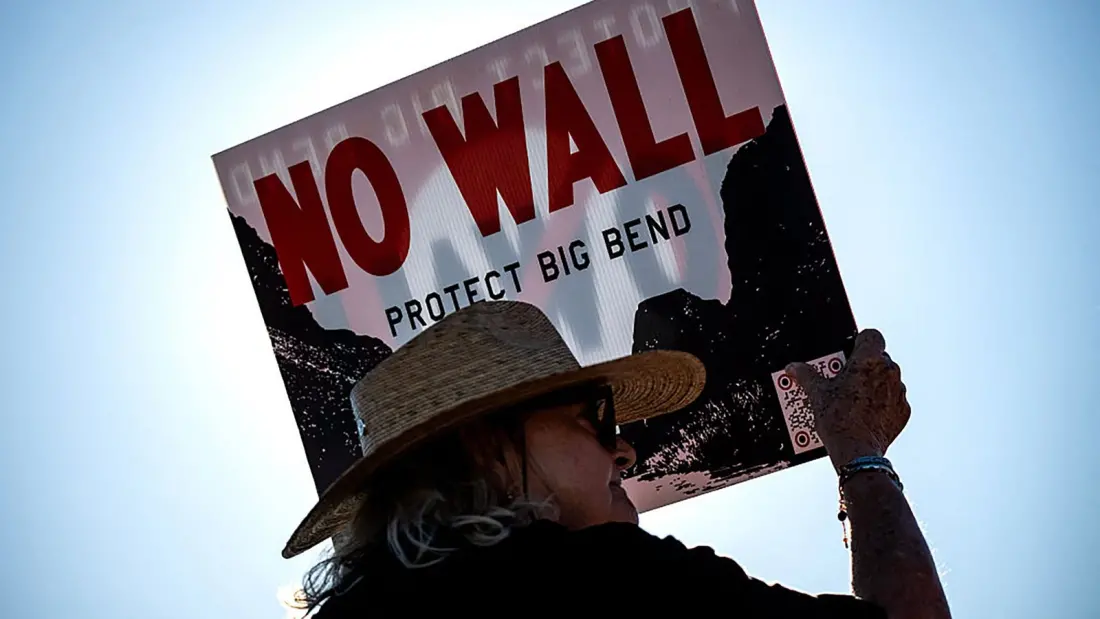
A group of Texas landowners has filed suit against the Trump Administration to stop border barrier construction around Big Bend, and the fight is shaping up as a major test of federal power in one of the country's most remote and beloved landscapes.
The lawsuit, filed September 14 in U.S. District Court in Washington D.C., names six landowners plus the coalition Conserve Big Bend, which represents 230 more. They're suing the Department of Homeland Security, U.S. Customs and Border Protection, DHS Secretary Markwayne Mullin and CBP Commissioner Rodney Scott over plans for fences, walls and roads cutting through private property near Big Bend National Park. Several plaintiffs say they received notices that their land is needed for a 30-foot wall, with easements or land swaps they could not refuse. One rancher, William Joseph Zuberbueler, says the agency threatened to refer him to the Department of Justice if he didn't agree voluntarily.
The landowners argue the federal government wrongfully labelled the Big Bend region an area of "high illegal entry" to fast-track the project through waivers that bypassed more than two dozen environmental and historic-preservation laws. The numbers don't obviously back that label: CBP's own five-year data shows just 1.5 percent of all border apprehensions happened in the 517-mile Big Bend Sector. The suit also claims a Fifth Amendment violation on due process grounds.
What makes this case unusual is who's objecting. Earlier challenges came from conservation nonprofits; this one comes from ranchers and farmers, some of whom earn a living from tourism and recreation on their land. Even Texas Governor Greg Abbott has spoken against the wall, and five border sheriffs wrote to officials saying a continuous barrier makes little practical sense in this terrain. Protest marches ran through Marfa, Austin and other cities over the spring and summer.
Construction did briefly start. In August, bulldozers cleared trees and brush along the Rio Grande inside the national park, and aerial photos showed a new road sliced through the cliffs and desert. On August 27, CBP ordered the machinery to stop, and crews haven't returned to the park section since — but the pause is reportedly set to expire on September 30, which gives the lawsuit real urgency.
For travellers, the stakes are tangible. Big Bend is one of America's least-visited national parks, prized for exactly the solitude, dark skies and wild Rio Grande country that a wall and access roads would change permanently. Local ranchers who host visitors, run outfitters and depend on tourism argue the project would damage both their livelihoods and the experience that draws people to far West Texas in the first place. Whether you have a trip planned or just have it on the list, the next few weeks will likely determine what the region looks like for decades.